
Sheepskin Leather: A Practical Guide to Ethics and Allergies
Published on: March 25, 2026 | Last Updated: March 25, 2026
Written By: Harriet Nicholson
Hello Tannery Talk. If you’re drawn to sheepskin’s soft warmth but have nagging questions about its origins or your own comfort, I hear you.
Let’s walk through this together. We will cover key ethical concerns in sourcing, what responsible animal welfare looks like, common materials that cause allergic reactions, and how to care for your sheepskin with confidence.
My advice comes from years at the workbench, personally caring for pieces like Mason’s saddle and June’s jacket, where handling materials teaches you what truly matters.
Are Sheep Killed for Their Sheepskin?
Let’s answer the question directly. Yes, the sheep or lamb is slaughtered to obtain its skin for leather. A sheepskin rug, a lambskin coat, these are not made from wool sheared from a living animal. They are made from the tanned hide of a sheep or lamb that has been killed.
Understanding the terminology helps. “Sheepskin” refers to the tanned hide of an adult sheep, often with the wool left on one side. “Lambskin” comes from a younger animal and is typically finer and softer. Both are types of leather. The term “wool byproduct” is often used to explain the origin. Most sheep are raised primarily for meat and wool. Their skins become a valuable material that would otherwise be waste. This “whole animal use” philosophy is a key point in ethical discussions, suggesting less waste from an existing industry compared to other types of leather.
This leads to the core ethical dilemma. Are you supporting an industry that values every part of an animal already raised for food and fiber? Or are you creating demand for an animal product that drives more farming? The answer isn’t simple and depends on your personal view. For a piece like my jacket June, knowing its origin matters to me. I see care for a material that honors the animal by ensuring it’s not wasted.
Common industry practices can raise serious welfare concerns. These are realities to consider:
- Long-distance transport of live animals can cause stress and injury.
- Certain practices like mulesing (removing skin folds to prevent flystrike) are painful and controversial.
- Not all farms, especially large-scale operations, provide ideal living conditions.
If animal welfare guides your choices, look for transparency. Certifications that trace the leather back to farms with higher welfare standards are a good sign, though they can be hard to find. You might also wonder whether ethical sourcing affects the leather’s material properties. The aim is to balance welfare with durability and performance.
What Is the Environmental Cost of Sheepskin?
Every material has a footprint. For sheepskin, it starts on the farm. Sheep require land for grazing and feed. They produce methane, a potent greenhouse gas. Raising them uses significant water. This is the environmental cost of the animal agriculture system as a whole.
The tanning process adds another layer. Turning a raw skin into durable leather is resource-intensive.
- Water Use: Traditional tanning can use thousands of liters of water per hide to wash, soak, and process the skins.
- Chemical Use: Chrome tanning, which is fast and common, uses heavy metal salts. If wastewater isn’t treated properly, these can pollute local waterways. Vegetable tanning is an older, slower method using natural tannins from tree bark. It’s generally cleaner but still uses lots of water and land for the tannin-producing plants.
How does this compare to a synthetic alternative, like a faux sheepskin rug? Plastics are made from fossil fuels, create pollution in production, and shed microfibers that never fully break down. A well-made sheepskin rug, cared for properly, can last for decades. A cheap synthetic rug might look worn and be discarded in a few years. The most sustainable item is often the one you already own and can keep in use for the longest time.
Understanding this lifecycle helps you make informed choices. For a durable good like a sheepskin car seat cover or a rug, the long-term use can balance the initial environmental investment. The goal is to avoid disposable thinking. Just like I maintain Mason’s saddle to keep it functional for years, caring for a sheepskin item extends its life and reduces its overall footprint.
Is Sheepskin or Synthetic Material More Ethical?

This question doesn’t have one perfect answer. It depends on what you value most. Let’s compare them side by side.
Sheepskin is a natural, co-product of the meat industry. When cared for, it can last for decades. My leather jacket, June, is living proof. Synthetic “faux fur” or “vegan leather” is usually made from plastics like polyester and polyurethane. They often don’t compare well to natural leather in terms of durability and environmental impact.
The biggest difference is at the end of their lives: a sheepskin will naturally biodegrade over time, while synthetic materials shed microplastics and sit in landfills for centuries.
Now, think about durability. A high-quality sheepskin coat is an investment. Durable lambskin leather can be finished to boost scratch resistance while preserving its softness. With proper conditioning, it gets better with age, developing a rich patina. When you compare it to other leathers—like full-grain cowhide or goatskin—it often offers a balance of resilience and a luxurious, patina-ready look. A fast-fashion synthetic coat is often designed to be replaced quickly. It might pill, tear, or lose its look after a season or two.
Here are the main trade-offs to consider:
- Sheepskin: Long-lasting, biodegradable, requires animal husbandry. Its ethics depend heavily on the farm’s practices and the tannery’s transparency.
- Synthetic Material: No animal use, but made from fossil fuels, non-biodegradable, and often less durable.
The most ethical choice is often the one you will keep and repair for the longest time. I’ve repaired June’s lining and conditioned her leather for years. That care extends her life far more than any disposable alternative could.
What in Sheepskin Could Cause an Allergic Reaction?
Most reactions aren’t to the leather itself. They are usually caused by one of three things.
The first is lanolin. This is a natural wax found in sheep’s wool, and it stays in the sheepskin’s fleece. A lanolin allergy is actually a wool allergy.
The second and third are chemicals from the tanning and dyeing processes. Some people react to certain dyes or residual tanning agents, like chromium salts, though this is less common with modern, regulated production.
A true allergy to the leather fibers is extremely rare; it’s far more likely you’re sensitive to lanolin or a processing chemical.
Symptoms are usually clear. You might notice red, itchy skin (contact dermatitis) where the sheepskin touches you, especially at the neck or wrists of a coat. Some people with more sensitive allergies might experience sneezing or a runny nose if they are close to the fleece.
If you’re worried, do a simple patch test. It’s easy and can save you discomfort.
- Find a small, inconspicuous area of the sheepskin’s fleece.
- Hold it against the skin on the inside of your forearm for 20-30 minutes.
- Remove it and wait 24 hours. Check for any redness, itching, or swelling.
If you have a reaction, you’ll know to avoid direct skin contact. You can often still enjoy the item by wearing a high-collared shirt or a layer underneath. Knowing the cause helps you choose better in the future, whether that’s looking for vegetable-tanned sheepskin or a different material altogether.
How Can I Find Ethically Made Sheepskin?
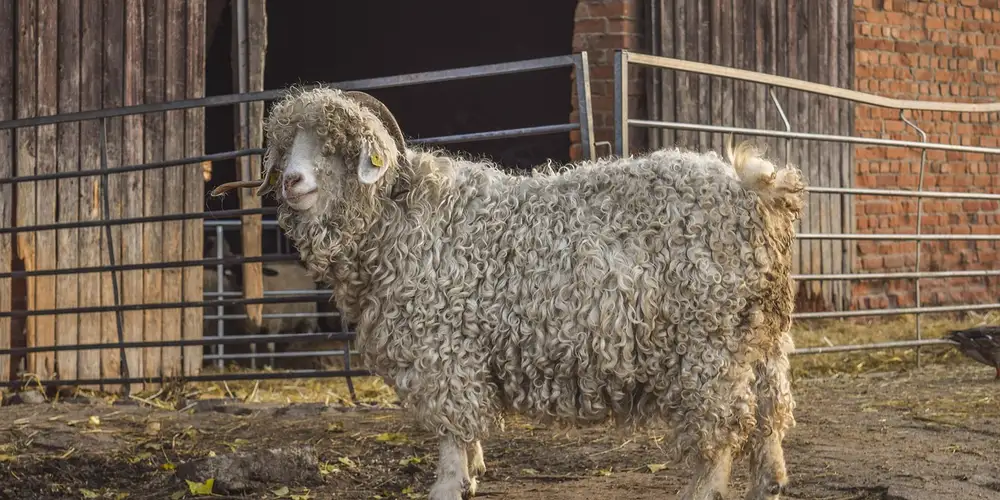
Finding sheepskin you can feel good about means looking beyond the label. It connects to the animal’s life, the environment, and the people who process it.
What Makes Sheepskin Ethical?
Think of it as a three-legged stool: animal welfare, material traceability, and clean tanning. If one leg is short, the whole thing wobbles.
True ethical sourcing ensures the sheep were raised with space to graze, handled with care, and that their wool and skin are a byproduct of a local food system, never wasted.
Traceability means you can learn where the material came from. It’s the difference between buying a tomato from a faceless corporation and one from a farmer you can name. Clean tanning uses methods, like vegetable or chrome-free processes, that are safer for the tannery workers and our waterways.
Certifications That Offer a Guide
Certifications are helpful signposts, but you need to know what they point to. Here are a few meaningful ones:
- Certified Humane: This seal focuses on the animal’s living conditions. It means the sheep had sufficient space, shelter, and were free from undue stress.
- Leather Working Group (LWG): LWG audits tanneries on their environmental practices. A high rating signals responsible water use, chemical management, and waste handling.
- OEKO-TEX: This certification tests the final product for harmful substances. It’s a good indicator that the tanning process avoided nasty chemicals that could irritate your skin.
No single certification covers everything. The best products often combine them.
Questions to Ask Your Retailer
Don’t be shy. Asking questions shows you value craftsmanship and responsibility. Try these:
- “Can you tell me the country of origin for the sheepskin?”
- “What tanning method was used? Is it vegetable-tanned or chrome-free?”
- “Do you have any information on the animal welfare standards of your supplier?”
A trustworthy seller will have answers or be willing to find them.
A Note on Price and Value
Ethical practices often cost more. Better feed, skilled labor, and cleaner chemistry add up. While a higher price can reflect these better practices, it’s not a guarantee-always look for the proof behind the price tag.
I think of it like my jacket, June. Paying more for a well-made, traceable piece meant I could repair her and keep her for years. That initial investment spreads out over a long, useful life.
How Do I Care for Sheepskin if I Own It?
Proper care is how you honor the material. It turns a purchase into a lasting companion. Sheepskin is unique-it’s a skin and a deep pile of wool needing gentle attention.
Gentle Cleaning: Preserving the Wool and Skin
You must treat the wool and the leather backing as a team. What helps one can hurt the other. Never soak sheepskin or put it in a washing machine. The leather base can shrink and harden like a rawhide chew.
For surface dirt or light stains, a dry brush is your first and best tool. Use a soft-bristled brush (like a horsehair detailing brush) and gently brush the wool in its natural direction. This lifts dust and revives the pile.
For a deeper clean, follow these steps:
- Mix a small amount of a pH-neutral, wool-safe cleaner with cool water. Test it on a hidden spot first.
- Dampen a clean, white cloth in the solution-never pour it directly on the sheepskin.
- Gently dab and wipe the soiled area, working from the outside of the stain inward.
- Use a second cloth dampened with clean water to “rinse” the area by dabbing.
- Blot with a dry towel to absorb moisture. Then let it air-dry away from direct heat or sunlight. A fan helps.
Heat is the enemy. Never use a hair dryer, radiator, or fire to dry it. Patience is part of the process.
Conditioning the Leather Backing
The suede-like flesh side of the skin needs moisture to stay supple. But you must avoid oily products that will clog and matte the wool fibers.
Look for a light, non-greasy conditioner designed for suede or nubuck, or a pure, light lanolin product. Lanolin is the sheep’s own wool wax, so it’s a natural match.
- Apply a tiny amount to your fingertips.
- Gently work it into the leather backing only, avoiding the wool roots as much as possible.
- Let it absorb fully for 24 hours before using the item.
This step, done once a year or after a deep clean, prevents the leather from drying out and cracking.
Honoring the Material Through Care
Every time you gently brush off dust or condition the hide, you extend its life. This makes the initial choice to own it more sustainable. I have a sheepskin rug that sees daily use. This routine keeps it fluffy and soft for years, not just seasons.
Caring for a well-sourced item properly is the final, most personal step in the ethical journey. It acknowledges the value of the material and the life it represents, ensuring nothing was taken for granted.
Common Questions
What certifications should I look for to ensure ethical sourcing?
Look for a Leather Working Group (LWG) medal rating for environmental tannery management and OEKO-TEX certification for safety from harmful residues. For animal welfare, a Certified Humane label is a strong, though less common, indicator of responsible farming practices.
Is sheepskin or synthetic more sustainable in the long run?
From a preservationist’s view, a well-made sheepskin you maintain for decades is superior to a series of cheap synthetics you discard. The key is choosing quality and committing to its care, as I do with my own gear. This includes knowing how to clean and condition a sheepskin to preserve its softness and prevent damage.
How should sheepskin be labeled for allergy concerns?
Labels should clearly state if the product contains “lanolin” or “wool.” For sensitive individuals, seek items labeled “vegetable-tanned” or with an OEKO-TEX certification to minimize chemical irritants. Always perform a patch test first.
Final Thoughts on Sheepskin Leather
The single most important step is this: know your source and know your skin. Choosing a reputable supplier who values animal welfare and transparent tanning is the most significant ethical choice you can make, and doing a patch test is the simplest, most effective way to prevent an allergic reaction.
Caring for your sheepskin well is the next part of that responsible choice. Gentle, regular cleaning and conditioning not only extend the life of your piece, honoring the material, but are practical skills that deepen your connection to the leather goods you own. That includes knowing how to properly clean and condition your lambskin, and how to store it so its softness lasts. Mastering these steps helps keep your jacket comfortable and luxurious for years to come.
Expert Resources and Citations
- What is Sheepskin Leather?
- r/Allergies on Reddit: How would a sheepskin allergy present itself?
- Am I allergic to sheepskin?
Harriet is a avid collector of leather goods such as purses, bags, seat covers, etc and has an extensive background in leather care, recovery, stain removal and restoration. She has worked for a number of years perfecting her leather care techniques and knows the ins and outs of restoring all kinds and types of leather products. With her first hand knowledge in leather care, you can not go wrong listening to her advice.
Exotic Leather Care