How Do You Soften Stiff Leather Accessories Like Wallets, Belts, and Bags?
Published on: March 3, 2026 | Last Updated: March 3, 2026
Written By: Harriet Nicholson
Hello Tannery Talk. That rigid new wallet or unyielding belt does not have to stay uncomfortable.
We will cover identifying your leather type, choosing the right conditioner, and using gentle, effective softening techniques.
As a leather craftsman who has restored pieces like my saddle Mason and jacket June, I can guide you through softening stiff leather safely.
Why Does Your Leather Feel So Hard?
Before you try to fix it, figure out why it’s stiff. Treating the wrong cause can lead to a mess. Think of it like a doctor’s visit. You need a diagnosis first.
There are two main reasons your leather is rigid.
The first reason is that it’s thirsty. Leather is skin. Just like your hands in winter, it dries out. It loses its natural oils from age, heat, or lack of care. This makes the fibers brittle and tight. A wallet left in a hot car or a belt worn for years without conditioning will get this dry, cardboard-like feel.
The second reason is its natural character. Some leathers are born sturdy. Full-grain vegetable-tanned leather and bridle leather are made to be firm. They’re like a new pair of raw denim jeans. They start stiff and break in to fit you perfectly over time. My wallet, Scout, started this way. Its firmness was a sign of quality, not a flaw.
Sometimes, the construction adds to the stiffness. Items with glued linings or multiple layers have less give. The leather itself might be soft, but the build makes the whole piece inflexible.
The Right Way to Soften Leather: Start Safe and Simple
For most stiff leather, the solution is simple: careful rehydration. This method works on dry leather and helps break in naturally firm leather safely. Rushing can damage the fibers or leave ugly dark spots.
Patience is your most important tool here. Think of my English saddle, Mason. It didn’t become supple in a day. It softened over years of gentle conditioning and use.
Step 1: The Essential Clean Start
Never condition dirty leather. Dirt acts like sandpaper, grinding into the pores when you flex it. Always clean first.
- Use a soft, lint-free cloth dampened with clean water. Wring it out thoroughly.
- Wipe the entire surface gently to lift dust and grime.
- For heavier dirt, use a dedicated, pH-balanced leather cleaner.
- Let the piece dry completely at room temperature. Don’t use heat.
Step 2: Condition and Absorb
Now you feed the leather. Choose a quality conditioner made for your leather type. A neutral leather balm or cream is a great start for most items, but it’s essential to know the key ingredients and how to use them properly.
- Apply a small amount to a clean cloth. Less is more.
- Rub it into the leather using small, circular motions. Pay extra attention to stiff folds and seams.
- Let the conditioner absorb. This can take from one hour to overnight. The leather will drink it in.
Multiple light applications are always better than one heavy soak. A heavy dose can oversaturate the surface, clog pores, and weaken the leather over time.
Step 3: The Gentle Flex
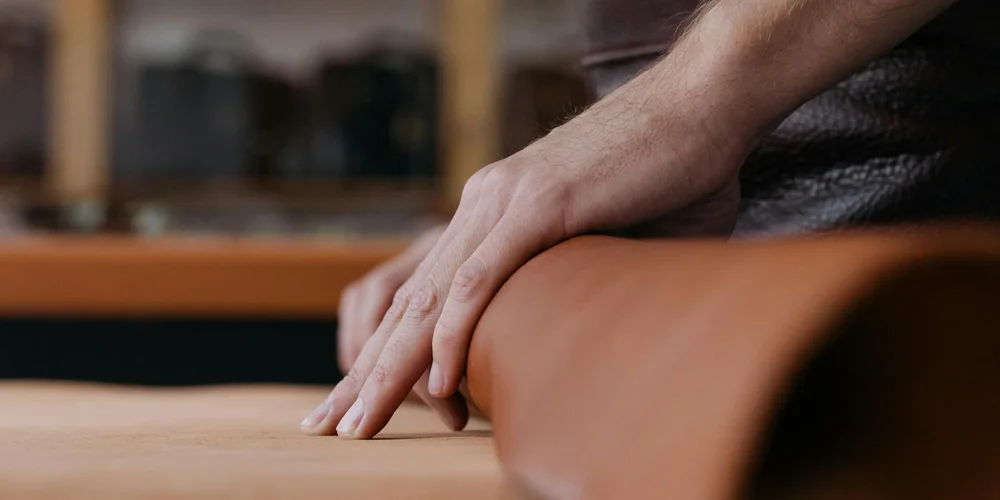
Once the conditioner is mostly absorbed, you can help the process along. With clean, dry hands, gently bend the leather. Don’t force it. Roll a belt slowly in your hands. Open and close a wallet. Flex a bag strap.
This motion works the conditioner deeper into the fibers. If it still feels resistant, stop. Let it rest, and apply another light coat of conditioner in a day or two. This slow, repeated process is how you soften hard leather without any risk of tearing or stress marks.
Conditioner or Oil: How Do You Make Leather Soft with the Right Product?
Think of stiff leather like thirsty skin. You need to put the right moisture back in. Two products do this: conditioners and oils. They are not the same. Choosing wrong can leave leather greasy, stained, or even damaged. Let’s compare them directly.
Leather Conditioners and Creams: The Safe First Choice
A conditioner is a balanced blend. It contains oils and waxes held together by emulsifiers. This mix is designed to absorb slowly, nourish the fibers, and often leave a light protective layer. It is the go-to for most everyday items.
Use a conditioner for finished leathers with a smooth surface or a topcoat, like jackets, handbags, or dress belts. My jacket, June, gets a conditioner. It softens the calfskin without clogging the pores or altering its polished look. Conditioners darken leather temporarily, but the color usually settles back close to original after a day.
Applying it is straightforward.
- Clean the leather with a damp cloth or a dedicated pH-balanced leather cleaner.
- Apply a small amount of conditioner to a soft, clean cloth.
- Rub it into the leather using small, circular motions. Cover the entire surface evenly.
- Let it absorb for 15-20 minutes.
- Buff off any excess with a dry part of the cloth. This prevents a sticky finish.
Leather Oils: Deep Nourishment for Thirsty Hides
Oils like neatsfoot or mink oil are pure nourishment. They contain no waxes or emulsifiers. They penetrate deep and fast to replace the leather’s natural fats. This makes them powerful, but they change leather more dramatically. For boot care, people often ask which is better for conditioning: neatsfoot oil vs mink oil. Understanding their differences helps you choose the right option.
Reserve pure oil for thick, dry, unfinished leather that needs serious flexibility, like a stiff work belt, a saddle, or a rugged bag. Oils darken leather significantly and permanently, giving it a richer, used appearance. They can also make leather more water-resistant.
Using oil requires a heavier hand and more patience.
- Ensure the leather is clean and completely dry.
- Warm the oil bottle in your hands for a minute. This helps it flow.
- Pour a few drops directly onto the leather or onto your fingertips.
- Massage the oil in thoroughly. You will see the leather darken as it drinks the oil in.
- Let the piece sit for at least an hour, then check. If it still feels stiff and dry to the touch, apply a second light coat.
- Leave it to dry fully, away from direct heat, for 24-48 hours before using.
The Simple Rule and a Critical Warning
Here is the rule I follow in my workshop. When you are unsure, always start with a conditioner. It is safer and more forgiving. You can often follow a conditioner with a light oil if more softness is needed, but you cannot easily reverse a heavy oil treatment.
Never use cooking oils or lotions from your kitchen, like olive, coconut, or baby oil, on leather. These plant-based oils can go rancid over time. They will smell bad, attract dirt, and ultimately degrade the leather fibers. Always use products formulated specifically for leather care. Some people think olive oil can condition leather—that’s a common myth we’ll debunk in the next section.
How to Soften a Stiff Leather Wallet or Card Holder
A stiff new wallet can feel unyielding. The tight folds and snug card slots resist your touch. This is normal. High-quality leather, especially vegetable-tanned leather like my wallet Scout is made from, starts firm to ensure it lasts for decades. Your goal is to ease it into suppleness without damaging the structure or creating a greasy mess.
The biggest mistake with wallets is using too much product, which can saturate the leather, stain your cards, and never fully absorb.
The Gentle Conditioning Process
You need a light touch here, both in product and technique. A heavy oil or wax-based conditioner is too much for a wallet’s delicate, layered construction.
- Choose a light, fast-absorbing leather conditioner or cream. A neutral pH balm is often perfect.
- Apply a tiny dab-about half the size of a pea-to a soft, clean cloth.
- Rub the cloth between your fingers to spread the product thinly.
- Gently massage the conditioner into the exterior of the wallet, avoiding any stitching you can. Pay a little attention to the fold lines.
- Do not apply conditioner directly to the raw leather edges or the interior card slots. If the inside feels dry, let the conditioner transfer indirectly from your hands during the next step.
- Let the wallet sit for 10-15 minutes. The leather should look only slightly richer, not wet.
The Hands-On Softening Technique
This is where the magic happens. Conditioning prepares the leather fibers; mechanical action softens them.
- Pick up the conditioned wallet. Feel its weight and texture.
- Slowly, deliberately, begin to flex it. Bend it backward along its natural fold lines. Roll it gently in your hands, applying steady, mild pressure.
- Work each card slot individually by pinching and rolling the leather between your thumb and forefinger. Imagine you’re carefully kneading dough.
- Continue this process for 5-10 minutes. You will feel the resistance start to fade.
Think of this like breaking in a new baseball glove; the warmth and motion from your hands are just as important as the conditioner.
Setting the Shape As It Softens
Leather has memory. To soften the card slots in a useful way, you need to give them a shape to remember.
Once the wallet feels pliable, fill it with your usual stack of cards. Don’t force them. If a slot is too tight, use a single old card or a piece of stiff cardboard. The gentle pressure will stretch the fibers just enough as the conditioner works. Leave the cards in for several hours, or overnight. For a bi-fold, keep it folded. For a long card holder, you can leave it flat.
Check it in the morning. If it still feels too rigid in spots, you can repeat the gentle flexing exercise without adding more conditioner. A second, even smaller conditioning session might be needed in a week for very thick leather. Patience rewards you with a wallet that fits your life perfectly, like Scout does now after its own careful break-in period.
How to Soften a Stiff Leather Belt or Watch Strap
Belts and watch straps live a unique life. They need to curve and flex to match your shape. A stiff leather belt can dig into your waist. A rigid watch strap will never sit comfortably on your wrist. The goal is gentle persuasion, not force.
The leather needs to become pliable where it contacts you most, which means we focus our efforts on the inner, flesh side of the piece. This side absorbs conditioner more readily and is less about looks and more about comfort.
Step 1: Apply Conditioner Generously
For this job, I prefer a rich, oil-based conditioner or a dedicated leather oil over a light cream. You need something that will penetrate deeply to lubricate the fibers from the inside out.
- Lay the belt or strap flat on a clean surface.
- Apply the conditioner with a soft cloth or your fingertips, using a bit more than you might for a bag. Coat the entire backside (the side that touches your skin or clothing) thoroughly.
- Pay special attention to the area around the buckle holes and the ends, which endure the most stress and bending.
- Let the leather drink it in. Wait 15-20 minutes. If the surface looks dry, apply a second light coat.
This will darken the leather, especially on the back. That’s normal and expected. The color often lightens slightly as it fully dries over the next day.
Step 2: The Safe Movement Method
Now comes the gentle breaking-in. We use controlled movement, not aggressive bending.
The best tool for this job is your own body heat and natural motion over a short period of time.
- For a belt: Buckle it to your usual notch and wear it around your home for an hour or two while you do chores. The warmth from your body helps the conditioner work deeper.
- For a watch strap: Fasten it and wear it. Gently flex your wrist up and down periodically.
- If you’re not wearing it, manually work the leather. Hold it in both hands and slowly, gently, flex it back and forth along its entire length. Focus on the stiffest points, like the hole you use most often.
Think of it like waking up stiff muscles with a slow stretch, not a sudden sprint.
A Crucial Caution: Patience Prevents Cracks
This is where I see the most mistakes. Never force a sharp, extreme bend. Do not try to fold the leather in half or crease it sharply to “speed up the process.”
If you hear a cracking sound or see white stress lines appear in the grain, you are going too far, too fast, and risking permanent damage. The leather should yield slowly with a soft resistance.
If it still feels too stiff after your first session, let it rest for a full day. Then, assess if it needs another lighter application of conditioner followed by more gentle movement. Rushing this process is the surest way to harm a good belt, like my old friend Mason taught me through years of steady, patient care.
How to Soften a Stiff Leather Bag or Backpack
A stiff leather bag feels different from a stiff wallet. It has more structure, more seams, and areas that bear all the weight. My own work bag, a trusted companion for years, started stiff as a board. The key is to soften the leather while respecting that built-in shape. You don’t want a slouchy mess.
Clean and Condition the Entire Piece
Always start clean. Dust and dirt act like sandpaper, grinding into the fibers every time the bag flexes. Use a gentle, neutral leather cleaner and a soft brush. Wipe it away with a damp cloth and let it dry completely before applying any conditioner. Condition and protect the leather to prevent cracking and stains.
Now, for the conditioner. Choose a high-quality, pH-balanced leather conditioner or cream. Apply it generously over the entire bag, but use extra focus on the high-stress zones. These are the spots that do all the work: the shoulder straps, the handles, and the points where handles attach to the body. Massage the conditioner into these areas until the leather stops absorbing it. Think of it like hydrating dry skin after a long winter.
Shape and Support as It Dries
This is the step most people miss, and it makes all the difference. As the conditioner sinks in and softens the fibers, the leather becomes pliable. If you just leave it empty, it can dry in a weird, collapsed shape.
Grab some old towels, t-shirts, or bed pillows. Gently stuff the main compartment and any pockets to help the bag hold its intended, natural shape as it dries. Don’t overstuff it to the point of straining the seams. You just want gentle, supportive pressure. This trains the softened leather to remember its form.
Work the Leather By Hand
After 24 hours of drying, the leather will be more supple. Now you can help it along. This is where patience pays off.
- Pick up the bag by its handles and gently flex them.
- Bend the straps slowly back and forth.
- Open and close the gussets (the side panels) repeatedly.
Manual flexing redistributes the conditioner and coaxes the stiff fibers to relax and move together. It’s like breaking in a new baseball glove. Don’t force it or make sharp bends. Slow, steady pressure is best. If the leather still feels stubborn in spots, you can apply a tiny bit more conditioner just to that area and repeat the process.
I’ve seen bags transform from rigid boxes into comfortable, flexible companions with this method. It preserves their structure while giving you the soft, broken-in feel you want.
Methods That Can Hurt Your Leather (And What to Do Instead)
Let’s talk about the shortcuts you see online. I get it. When your favorite belt feels like a board or a new bag is stubbornly rigid, you want a fast fix. But many popular “hacks” promise speed at the cost of your leather’s long-term health.
Think of leather like your skin. You wouldn’t use extreme heat or harsh chemicals to soften your hands. The same care applies here.
Steaming or Using Excessive Heat
I’ve heard every version: “Just hit it with steam from your iron,” or “A hair dryer on high will loosen it up.” Please, do not do this.
Leather is a network of protein fibers. Applying intense, direct heat does not relax them. It cooks them. This can cause the fibers to become brittle and snap, creating permanent stiffness or even cracks. Imagine holding a thin piece of plastic over a flame. It might bend for a second, then it warps and weakens. That’s what happens inside the leather. Scientists study the science of leather aging to explain why cracks form and how to combat them. This research guides care and treatments that slow aging and prevent brittleness.
Applying direct heat can permanently cook and weaken the leather’s fibers, leading to brittleness, not softness.
What to do instead? Gentle, ambient warmth is your friend. Apply your conditioner, then let the item sit in a normally warm room (not on a radiator). The warmth helps the conditioner soak in deeper, softening the fibers from the inside out. This is how I helped Mason, my old saddle, regain flexibility after a dry winter.
Putting Leather in the Freezer
This one puzzles me every time. The theory is that freezing makes the leather contract and then expand, breaking stiffness. In reality, it does almost nothing for flexibility.
What it can do is introduce moisture. As the leather thaws, condensation forms on and inside it. This unwanted moisture can lead to mildew or water spots, especially on vegetable-tanned leathers like my wallet, Scout.
The freezer is ineffective for softening and risks introducing damaging moisture to your leather’s structure.
What to do instead? If you need to “break in” a stiff spot, use controlled, physical flexing. After conditioning, gently bend the leather back and forth in your hands. Work with it. For a stiff belt, wear it around the house for short periods. This manual manipulation, aided by conditioner, coaxes the fibers to relax naturally.
Using Rubbing Alcohol or Harsh Soaps
This approach is like trying to fix dry, cracked skin by scrubbing it with hand sanitizer. It makes the problem worse.
Leather’s softness comes from its natural oils and fats. Rubbing alcohol, acetone, or strong dish soaps are drying agents. They strip away those vital moisturizers. The leather might feel different immediately after, but that’s because it’s been degreased. It will then dry out completely, becoming even stiffer and more prone to cracking.
Harsh chemicals strip the natural oils leather needs to stay supple, causing worse dryness and potential long-term damage. Unlike natural leather conditioners, which nourish and protect, these can leave your leather feeling brittle and worn.
What to do instead? Always start with a clean slate using a product made for leather. It’s important to choose the right products and methods to avoid damaging the material. A pH-balanced leather cleaner or a simple damp cloth will remove surface dirt without attacking the hide’s core structure. Clean first, then condition. This two-step process is non-negotiable for safe care.
The True Path to Soft, Flexible Leather
Forget the risky shortcuts. The answer for how to soften old leather safely is straightforward: replenish its moisture and use it gently.
Safe, repeated conditioning combined with gentle, manual flexing is the only reliable method to soften stiff leather without harming it.
Here is a simple, safe method you can start today:
- Clean the item with a damp cloth or a dedicated leather cleaner.
- Apply a small amount of a natural conditioner (like a leather milk, cream, or oil) to a soft cloth.
- Rub the conditioner into the leather in circular motions, paying extra attention to stiff areas. You do not need to soak it. A thin, even coat is perfect.
- Let it absorb for several hours, or preferably overnight, in a room with normal temperature.
- Once dry to the touch, gently flex and bend the item to work the conditioner into the fibers.
- Repeat this process every few weeks until you achieve the desired softness. Patience rewards you with durability.
This is how I maintain every piece in my shop. It’s not an instant miracle, but it’s a guaranteed way to build trust with your leather, ensuring it stays flexible and comfortable for years of use.
When Softening Doesn’t Work: Troubleshooting Stubborn Leather
Sometimes, you can do everything right and the leather remains firm. Don’t be discouraged. Some stiffness isn’t a flaw; it’s part of the piece’s character and design. My saddle, Mason, has a certain rigidity to him that I wouldn’t trade for anything. It’s what makes him dependable.
This stubbornness usually comes from one of three places.
- Extremely Thick Leather: Think of a heavyweight work belt or a bag’s structural straps. The fibers are dense and numerous, so they naturally resist bending. You can improve pliability at the bend points, but the core thickness will remain.
- A Heavy Plastic Coating: Many modern, lower-cost leather goods have a thick polymer finish sprayed on top. This sealant locks out moisture-both dirt and conditioner. If the leather can’t drink in the oils, it won’t soften.
- Genuinely Worn-Out Fibers: In rare cases, usually with very old, neglected leather, the fibers have become brittle and lost their natural oils. They are less like stiff rope and more like dry twigs, prone to cracking.
Knowing When to Accept It
A little resistance is often a good thing. That firmness in a new wallet provides structure so it doesn’t sag in your pocket. A stiff belt keeps its shape. For accessories that need to hold a form, some stiffness is the secret to their durability and long life. Trying to force them to be as soft as a glove might compromise their function. My wallet, Scout, softened nicely around the edges but kept a firm center. It’s perfect.
The Multi-Day Oil Treatment for Deep Dryness
If you suspect the core issue is simple, profound dryness-common in vintage finds-a slow, patient oil treatment can work wonders. The key is thin layers and long waits.
- Clean First: Use a neutral leather cleaner or a damp cloth to remove any surface dirt. Let it dry completely.
- Apply a Thin First Coat: Using a clean cloth, apply a dedicated leather oil or a rich conditioner in a very thin, even layer. Do not soak the leather. Think of applying lotion to your skin, not pouring water on a sponge.
- Wait 24-48 Hours: Let the piece rest in a warm, dry place. This long absorption time lets the oils travel deep into the fiber core.
- Assess the Handfeel: After it dries, flex the leather. If it still feels parched and stiff, apply a second thin coat.
- Repeat Until Satisfied: You may need 3 or 4 sessions over a week. Stop once the leather feels supple and no longer greedily absorbs the oil.
Patience is your most important tool here; rushing by applying thick, globby coats will oversaturate the surface, create a sticky residue, and won’t solve the deep-down stiffness. A common mistake is giving up after one coat. Deep dryness needs a deep, slow drink.
Keeping Your Leather Supple: How to Prevent Stiffness
Let’s talk about the real secret. The best way to soften stiff leather is to never let it get stiff in the first place.
Think of it like this. Science shows how leather fibers—primarily collagen—interact with conditioners to preserve strength and suppleness. That interaction helps explain why regular care pays off over time. A good leather conditioner doesn’t just fix a problem you can see today. It prevents the problems you’ll see next year. A little bit of regular care keeps the fibers nourished from the inside. This stops them from drying out, cracking, and becoming rigid.
Your Simple Care Schedule
You don’t need a complicated calendar. Leather will tell you when it’s thirsty. Here is a reliable routine.
- Check and Condition Every 6-12 Months: Mark your calendar for a seasonal check-up. Feel the leather. If it feels dry, rough, or looks pale, it’s time.
- The Touch Test: Run your fingers over a hidden spot, like the back of a wallet flap. Supple, conditioned leather feels cool and slightly waxy. Dry leather feels warm, papery, and absorbs the heat from your skin quickly.
- How to Condition: Use a clean, soft cloth to apply a small amount of a pH-balanced leather conditioner. Work it in with gentle, circular motions. Let it soak in for an hour, then buff off any excess with a dry cloth. A thin, even application works far better than a thick, gloopy one that sits on the surface.
Smart Storage is Everything
Where you keep your leather between uses matters just as much as how you clean it. Heat and dryness are the enemies of flexibility.
Never store leather in a sealed plastic bag. Plastic traps moisture, which can lead to mold. More often, it simply cuts off the leather’s ability to breathe, letting any remaining oils stagnate and dry out unevenly.
Instead, use a breathable cloth bag. An old cotton pillowcase is perfect. It keeps dust off while letting air circulate. Store your items in a cool, dry place away from radiators, heating vents, and direct sunlight. That sunny windowsill might seem nice, but it will bake the life right out of your bag or belt.
The Best Conditioner of All
Leather improves with gentle, regular use. The natural oils from your hands, the subtle flexing from daily wear-this is what builds character and maintains softness.
I see this with my own pieces. Scout, my wallet, gets folded and unfolded dozens of times a day. That constant, gentle motion works the oils deeper into the leather. My jacket, June, softens at the elbows and cuffs just from being worn. It’s like a muscle; it stays flexible by moving.
So, wear that belt. Carry that bag. Use that wallet. Your careful, consistent handling is the most effective maintenance tool you have.
A Look at Well-Loved Leather
With this kind of simple, mindful care, leather doesn’t just avoid stiffness-it thrives. Mason, my old saddle, is soft and pliable where it needs to be, yet tough and supportive in the structure. June’s calfskin feels like butter in the creases, but the seams are strong. Scout’s veg-tan has molded perfectly to the shape of my pocket, flexible and firm at the same time.
They feel cared for. They feel ready for years more use. That’s the goal.
Common Questions
How often should I condition my leather to keep it from getting stiff?
Check your items every 6-12 months with the touch test. If the leather feels dry or warm, apply a thin coat of conditioner.
Can you make leather *too* soft?
Yes, oversoftening can weaken the leather’s structure, leading to sagging and loss of shape. Always aim for supple flexibility, not a limp feel.
What’s the first thing I should try on a stiff, old leather find?
Start with a thorough clean using a damp cloth, then apply a light conditioner. For deep dryness, follow with a multi-day oil treatment using thin coats.
I already see a small crack; can softening fix it?
No, conditioning cannot repair existing cracks. It will, however, nourish the surrounding leather to prevent further drying and additional damage.
Is it safe to soften leather with something from my pantry?
No. Never use cooking oils or lotions, such as olive oil, as they can go rancid. Always use products specifically formulated for leather care.
Keeping Your Leather Supple
Your key to softening stiff leather is patience and the right conditioner. Work the product in slowly, let it absorb fully, and gently flex the piece to encourage movement without forcing it. For jackets and coats, there are methods that work best for restoring flexibility. We’ll cover those methods in the next steps.
Taking care of leather well is a sustainable practice that honors the material. Building your care skills turns maintenance from a chore into a rewarding part of owning something built to last.
Industry References
- How to soften leather – 5 methods to remove the stiffness of your leather
- How to Soften Leather the Right Way: 100% Working Lifehacks
- How To Soften Leather – Von Baer
- How to Soften Leather: The Right Tools for the Job – Popov Leather®
Harriet is a avid collector of leather goods such as purses, bags, seat covers, etc and has an extensive background in leather care, recovery, stain removal and restoration. She has worked for a number of years perfecting her leather care techniques and knows the ins and outs of restoring all kinds and types of leather products. With her first hand knowledge in leather care, you can not go wrong listening to her advice.
Applying Oils, Creams, and Waxes