
How Do You Fix a Ripped Leather Sofa? A Practical Repair Guide
Published on: February 20, 2026 | Last Updated: February 20, 2026
Written By: Harriet Nicholson
Hello Tannery Talk. That jagged tear in your sofa leather can make your heart sink, but I’m here to tell you it’s often a fixable problem we can tackle together.
We will cover assessing your sofa’s specific damage, choosing the right repair method for the tear, and applying the fix with careful, lasting results.
My hands have learned from restoring everything from deep saddle scars to delicate jacket seams, giving me the craft to guide your repair.
Before You Fix a Rip, You Have to Read the Leather
Look at the damage for a full minute. Don’t panic. Touch it. This first look tells you everything about how to proceed. It’s like deciding whether to stitch a wound or just put on a bandage.
Run your finger along the edges of the rip. What do you feel?
A Clean Tear or Cut
This is a straight line with neat edges, almost like a paper cut in the leather. The two sides fit back together perfectly. You can often see the suede-like flesh side of the leather, but the padding underneath isn’t exposed. This is the simplest type to repair.
A Jagged Gash or Hole
The edges are frayed, uneven, or pieces are missing. You can see the white or cream-colored foam or fiber padding poking through. This is more serious. The frayed edges won’t hold glue well on their own.
Peeling or Flaking “Bonded” Leather
This isn’t a tear in true leather. The surface plastic coating is peeling away from the fibrous backing, like a bad sunburn. The material underneath feels like stiff cardboard or fabric. This changes your repair plan completely, as glue won’t fix the underlying material failure.
A Split Seam
The leather itself is fine. The thread holding two pieces together has broken. You’ll see a gap along a stitched line. This is often the easiest fix of all, as it’s a stitching problem, not a leather problem.
Your first job is to clean the area. Use a soft cloth dampened with a neutral leather cleaner. Let it dry completely. You need a clean, oil-free surface for any repair to stick.
Does Your Couch Need a Band-Aid or Surgery? Choosing Your Fix
Once you’ve read the leather, you can pick your path. There are three main routes, and the wrong choice will just make the damage worse later.
Path 1: The Simple Glue Seal
This is for clean tears and small split seams.
You need a flexible, water-based leather or fabric glue. I avoid harsh chemical adhesives in my workshop; they can stain and make future repairs impossible.
- Gently press the torn edges together to see how they align.
- Use a toothpick to apply a tiny bead of glue underneath the edges.
- Press the edges together firmly for two minutes.
- Wipe away any glue that squeezes out immediately.
- Place a heavy book over the repair and leave it undisturbed for 24 hours.
The key is using very little glue and perfect alignment, so the seam is nearly invisible when dry. This is a great fix for a small, straight tear on a low-stress area like the sofa back.
Path 2: The Reinforced Patch
This is for jagged gashes, small holes, or any tear where the edges won’t stay together.
You’re not just gluing the leather. You’re creating a new backing for it. You will need your leather glue and a patch material, like a thin piece of garment leather or strong, flexible fabric. This approach also applies to patches on bags, such as a garment bag. In the next steps, you’ll encounter the leather patch repair guide that covers doing a leather patch repair on a garment bag.
- Cut your patch to be at least an inch larger than the hole on all sides.
- Apply glue to the patch and position it under the hole, smooth side down against the leather’s flesh side. You’ll need to work it through the tear.
- Press the patch down firmly from the top.
- Now, carefully glue the frayed leather edges down onto the top of the patch.
- Weigh it down and let it cure for a full 48 hours.
This creates a durable, two-layer fix. The patch takes the stress, and the glued-down edges are sealed.
Path 3: Calling a Professional
Some damage needs an expert’s hand. You know leather upholstery is beyond a simple DIY repair when the material itself is crumbling, the damaged area is larger than your hand, or the entire surface of bonded leather is peeling.
Professionals have materials like liquid leather and pigments to fill holes and color-match perfectly. They can re-sew entire seams or replace panels. For a cherished or expensive sofa, this investment can restore it for another decade of use. They can repair holes and tears in leather couches and other furniture. This keeps the piece looking cohesive and extends its life.
Think of my old jacket, June. A small, clean tear on the sleeve? I’d use Path 1. A frayed hole from catching on a nail? That’s a Path 2 patch job. If the entire back was peeling apart, I’d take it to a specialist without hesitation. Your couch deserves the same careful diagnosis.
How to Fix a Small Leather Couch Tear with Adhesive
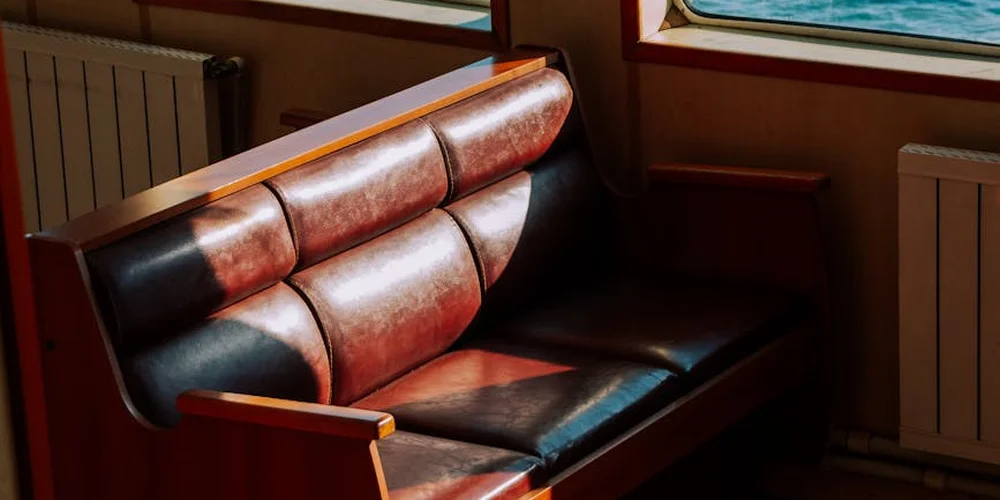
A clean, straight tear under two inches long is the best candidate for a glue repair. If the torn edges still line up neatly, you can make the fix nearly invisible. This is the same method I used on a small split in June’s jacket sleeve, and it’s held strong for years.
You do not need a workshop full of tools. Gather these items first:
- A high-quality, water-based leather adhesive.
- A few wooden craft sticks or toothpicks.
- Gentle spring clamps or several heavy, clean books.
- A soft, lint-free cloth (like a microfiber).
- A cotton swab.
Step-by-Step Repair Guide
Work slowly. Rushing is the main reason DIY repairs fail.
1. Clean the Area Thoroughly
Dirt or oils will prevent the adhesive from bonding. Dampen a corner of your cloth with a little water or a neutral leather cleaner. Gently wipe the tear and the surrounding inch of leather. Let it dry completely. A perfect bond starts with a perfectly clean surface. Next, choosing the right adhesive for leather repair is crucial. We’ll explore which adhesives work best for leather repair in the next steps.
2. Apply the Adhesive Sparingly
Do not squeeze glue directly from the bottle onto the tear. You will use too much. Instead, put a small dot of adhesive onto the end of a craft stick. Carefully lift the torn flap with your fingers or another stick.
Use the stick to spread a thin, even layer of glue onto the underside of the leather flap and the area it will contact. The goal is to coat both surfaces lightly, not to create a wet, globby pool. Imagine spreading a very thin layer of butter on toast.
3. Press and Align the Flap
Gently lower the glued flap back into place. Use your fingers to press it down firmly, working from one end of the tear to the other to eliminate air bubbles. Make sure the grain pattern and the edges align perfectly. Wipe away any glue that squeezes out immediately with a dry part of your cloth. For sticky residue on the surface, a slightly damp cotton swab can help.
4. Clamp It Flat and Wait
This is where patience pays. To keep the repair perfectly flat while the glue cures, place a piece of wax paper or parchment paper over it. Then, apply a gentle clamp. If you don’t have clamps, stack a few heavy books on top.
Leave it alone. Check the adhesive label for curing time, but plan for at least 12-24 hours of undisturbed drying. Giving the glue its full cure time is what turns a temporary fix into a permanent repair.
A Quick Note on Adhesives
I strongly recommend a water-based leather glue. The fumes from solvent-based contact cements are harsh and the glue sets so fast it’s easy to make a mistake. Water-based glue gives you a little time to adjust, cleans up with water, and is plenty strong for upholstery. It’s a safer, more forgiving choice for working in your home. For lasting adhesion across different materials, the technique matters as much as the glue. Learning how to properly glue and bond leather, wood, metal, plastic, and other surfaces will help you achieve durable results.
Repairing a Large Rip in Leather with a Patch Kit
For a rip that’s more than a clean slice, where material is missing or the edges are frayed, a patch repair is the most reliable fix. Think of it like patching a pair of worn-through jeans, but for leather. The goal is to build a new, stable base and then blend it seamlessly with the old material. I’ve used this method on the inner cuff of June, my leather jacket, where a seam gave way, and it’s held up for years of use.
What You’ll Need in Your Repair Kit
Gathering the right materials makes the job smoother. You don’t need a professional’s workshop, but you do need a few specific items.
- Backing Fabric Patch: A strong, flexible fabric you glue beneath the tear to act as a foundation.
- Leather Filler Compound: A paste, often latex or acrylic-based, that fills the hole and builds up level with the surrounding leather.
- Leather Colorant or Dye: This is your paint. It’s crucial for blending the repair. Get a bottle of the base color and small pots of adjusting tints (like black, brown, white) for custom mixing.
- Graining Paper or Foam: A textured tool to press the grain pattern of your leather into the dried filler.
- Flexible Spatula or Palette Knife: For applying and smoothing the filler compound.
Having the right tools is more than half the battle; it turns a daunting job into a manageable, step-by-step process.
The Step-by-Step Patch Process
Take your time with each step. Rushing here leads to a bumpy, obvious repair. Let’s walk through it.
1. Prep the Tear and Apply the Backing Patch
First, make the wound clean and stable.
- Gently trim any badly frayed or loose fibers from the edges of the rip with small, sharp scissors. You want a stable, slightly rough edge for the filler to grip.
- Cut your fabric backing patch so it’s at least an inch larger than the tear on all sides.
- Apply a thin, even layer of flexible leather glue to the patch. Carefully slide it underneath the tear, center it, and press the leather down on top. Wipe away any glue that squeezes out immediately.
- Place a flat, heavy book on top and let it cure completely, often for a few hours. This patch is now the new “skin” for your repair.
2. Fill, Sand, and Level
Now we build up the surface. This step requires a light touch.
- Using your spatula, press the leather filler compound into the hole. Overfill it slightly, creating a small mound above the surrounding leather.
- Let it dry completely. This can take several hours. Don’t touch it.
- Once rock-hard, sand it flush with the surrounding leather. Start with a medium-grit sandpaper to remove the bulk, then switch to a fine-grit to make it perfectly smooth. Wipe away all dust with a slightly damp cloth.
The filler must be perfectly level and smooth; any ridge or dip will be glaringly obvious once you add color.
3. The Art of Color Matching
This is where most DIY repairs get spotted. How do you match leather color? You test, and you layer.
Your sofa’s color is rarely just “brown.” It has undertones-red, yellow, orange-from years of light and wear. Start by applying a drop of your base colorant to a hidden spot, like the back of a cushion or underneath the sofa frame. Let it dry. It will likely not match.
Now, use your adjusting tints. Add a tiny drop of a tint to a small amount of your base color on a plastic plate. Mix thoroughly. Test again. Is it too red? Add a touch of brown or black. Too dark? A dot of white. Keep notes on your mixtures.
Always apply your final color match in thin, even layers, letting each one dry, until you achieve perfect coverage. One thick, dark coat will look like a painted-on bandage.
4. Recreate the Leather Grain
A smooth, colored patch still looks fake because leather has texture. This final step sells the repair.
Press your graining paper or foam firmly onto a good, textured area of your sofa to study the pattern. While your final coat of colorant is still slightly tacky (check your product’s instructions), press that same graining tool firmly and evenly onto your repaired patch. Lift straight up. You’ve now transferred the grain pattern.
Let it dry fully for at least 24 hours before using the sofa. The result won’t be invisible to a trained eye, but from a few feet away, it will blend right in, saving your couch for years more service.
What to Do When the Rip is Right on the Seam

A tear along a seam is a special kind of problem. It’s not a random gash in the middle of a panel. The leather itself is often still strong, but the thread holding two pieces together has given way. This changes your repair strategy completely.
Think of it like the stitching on a favorite pair of jeans coming undone. You have two main paths: a quick mend to hold it together, or taking the time to re-stitch it properly. The best choice depends on the size of the rip, the sofa’s location, and your comfort with a needle and thread.
Option 1: The Reinforced Adhesive Fix
This is your go-to for smaller seam separations, maybe an inch or two long, or if the idea of sewing makes you nervous. The goal is to glue the leather flaps back together and reinforce the area so the stress doesn’t just pop it open again.
For a lasting repair, you must support the glue with a fabric patch on the inside. Glue alone on a flexing seam will eventually fail.
- Gently open the seam wider with your fingers to see inside. You’re looking for the original seam allowance, the strip of leather hidden inside where the old stitches were.
- Clean these inner surfaces thoroughly with a soft brush and a neutral leather cleaner. Let it dry completely. Any dirt or old adhesive will weaken your bond.
- Cut a patch from a strong, flexible fabric like canvas or denim. It should be wider and longer than the torn section by about an inch on all sides.
- Apply a thin, even layer of a flexible, water-based leather glue to one side of your fabric patch and to the cleaned seam allowance inside the sofa.
- Carefully insert the patch and press the glued leather surfaces together. Use a smooth tool, like the back of a spoon, to burnish the outside of the seam flat. Wipe away any glue squeeze-out immediately.
- Clamp the repaired section with flat boards and clamps, or use heavy books, for at least 24 hours. This pressure is non-negotiable for a strong bond.
My jacket, June, has a small seam repair like this near the cuff. With a good patch, it has held up through years of wear because the stress is now spread over a wider area.
Option 2: Hand Re-Stitching the Seam
This is the professional, permanent fix. It requires more skill and patience, but it restores the original strength and look. If the torn seam is highly visible or very long, this is the best long-term solution.
Re-stitching a leather seam by hand is a precise task, but it recreates the factory strength if done correctly. You will need a few special tools: a sturdy curved needle, strong waxed thread (like linen or polyester), and an awl or small drill bit to make new holes.
- Follow the same initial cleaning steps as the glue method. The interior must be clean and dry.
- Align the two pieces of leather perfectly. You can use small pieces of painter’s tape on the outside to hold them in place temporarily.
- Using the existing stitch holes as your guide, use an awl to gently poke new holes through both layers of leather. If the old leather is brittle, you may need to make new holes slightly offset to find healthy material.
- Thread your curved needle with a long piece of waxed thread. A curved needle is essential here-it allows you to navigate the tight angle inside the sofa.
- Begin stitching from the inside, using a simple saddle stitch. Pull each stitch firm and even. The waxed thread will lock upon itself, creating a incredibly durable seam.
- When finished, knot the thread securely on the inside and apply a tiny drop of flexible glue to the knot to prevent unraveling.
This is the same method I use to maintain the stitching on Mason, my old saddle. The curved needle lets you work in tight spaces you couldn’t reach with a straight one. Take your time, keep your stitches even, and the repair will outlast the rest of the sofa.
Picking the Right Leather Sofa Repair Kit for Your Job
Think of a repair kit as a first-aid box for your sofa. A good one has the right tools to patch things up, but it won’t perform major surgery. Your job is to match the medicine to the wound.
Adhesive, Filler, Colorant: What Each One Does
Every kit revolves around three main components. Knowing their job helps you use them correctly.
- Adhesive: This is the strong glue that holds torn edges together. It’s for structural repair first. Imagine reattaching a loose flap of leather on Scout, my wallet, where a seam gave way. A flexible, leather-specific adhesive creates a bond that can bend with the material.
- Filler: Also called a repair compound, this is a paste that fills gaps. Use it for holes, deep scratches, or after you’ve glued a tear flat. It builds up the surface so it’s level with the rest of the leather. It’s like spackle for a wall, but made to flex.
- Colorant: This is the paint or dye that hides the repair. The best kits include a neutral base and tinting colors so you can mix a perfect match. A colorant only conceals the visual flaw; it does nothing to fix the structure or condition the leather underneath.
What’s Inside a Typical Leather Repair Kit?
If you’ve never opened one, here’s what you’ll usually find. A complete kit gives you everything you need in one box.
| Component | Its Purpose |
| Cleaning Solution | Prepares the area by removing wax, oil, and dirt so adhesives bond properly. |
| Adhesive (Glue) | Bonds torn leather edges back together permanently. |
| Filler Paste & Spatula | Fills in missing material, smoothed level with a small tool. |
| Colorant Base & Pigments | Allows you to mix and apply a custom color to camouflage the repair. |
| Finishing Sealant/Glaze | A clear topcoat that protects the new color and blends the sheen. |
| Practice Material & Tools | Often includes a spare piece of vinyl or leather and brushes for testing your color mix. |
Choosing Your Kit Based on the Damage
Look back at the damage you assessed. Is it a clean tear, a puncture, or just a surface scratch? Your answer points you to the right kit.
For a simple, clean tear where the leather flap is still attached, your primary need is a strong adhesive and colorant. You might not need much filler at all. For a hole or a gouge where material is missing, a filler-heavy kit is non-negotiable.
Use a repair kit for broken skin-tears, holes, and punctures-not for leather that’s just thirsty or cracked. If your sofa feels stiff and shows surface cracks like dry skin, that’s a conditioning problem. No amount of glue or paint will fix that. It needs a deep clean and several treatments with a quality leather conditioner, the way I slowly brought June’s jacket back to life. Cracks and tears in leather furniture—sofas, couches, and car seats—can be repaired, not hidden. We’ll cover how next.
Kits work best on stable, firm leather. If the area around the tear is powdery or crumbling, the material is too far gone for a simple patch. In that case, a professional might need to replace a whole panel, which is a different kind of fix altogether.
When to Call a Professional Leather Repair Service
I fix a lot of leather myself. My wallet, Scout, has a small scar I stitched closed. My jacket, June, had a scratch I filled. But with a sofa, you have to be honest about what you can and cannot do. A professional leather sofa repair can be the right call for complex jobs.
Knowing when to call a professional saves your sofa from worse damage and saves you from frustration.
Signs Your Sofa Needs a Pro, Not a Kit
Repair kits are for surface issues. They work on small punctures or shallow scratches. Your sofa is telling you it needs expert help if you see any of this:
- The tear is longer than your hand.
- The damage is on a major seam or where you sit most often.
- The leather is ripped and the padding underneath is falling out.
- You can hear broken springs or a cracked frame when you sit down.
- The piece is a valuable antique or a designer item you can’t replace.
- You already tried a DIY fix and it peeled, cracked, or looks worse.
Think of it like this: you can polish a scuff on your boot, but if the sole is separating, you need a cobbler. Your sofa is the same.
What a Professional Can Do That a Kit Cannot
A tube of glue and a colorant pen only address the top layer. The structure of your sofa is what a pro fixes.
A professional repair starts from the inside out, rebuilding the foundation so the visible fix lasts for years.
Here’s what that often involves:
- Re-webbing: The fabric straps under the cushions that provide support can sag or snap. A pro will remove the old webbing and install new, tight straps to restore the seat’s shape and comfort.
- Full Panel Replacement: For large, shredded areas, the best fix is often to replace the entire leather panel. A skilled technician will source a leather patch that matches the grain, thickness, and color, then sew it in place seamlessly.
- Frame and Spring Repair: They can secure loose joints in the wooden frame and tie off or replace broken springs, which is impossible to do without taking the sofa apart.
- Expert Color Matching: They use professional-grade dyes and airbrushes to blend a repair so perfectly you can’t find the original tear. A kit colorant often looks like a obvious patch.
Finding the Right Service for Your Sofa
If your sofa is showing the signs above, search for a local upholstery or leather repair specialist. Look for someone with experience specifically on furniture, not just handbags or shoes. A good shop will ask you for photos first and give you a clear estimate. They should talk about the internal structure, not just the color. It’s an investment, but it’s how you give a well-loved sofa another decade of life.
Calling a pro isn’t a failure, it’s the responsible choice for preserving a piece that has more life to live. Just like I wouldn’t try to re-sole Mason, my old saddle, myself, some sofa jobs need a specialist’s bench.
How Much Does It Cost to Fix a Ripped Leather Sofa?
The price to fix a tear can surprise you, in a good way. You have two clear paths: doing it yourself or hiring a professional leather sofa repair service. The right choice depends on your comfort level, the sofa’s value, and the damage itself.
DIY Repair Kit Cost
A good leather repair kit typically costs between $20 and $80. This is the budget friendly route for small, straightforward tears, like a clean 2-inch slice on a seat cushion. That budget covers more than tears—it’s also suitable for minor cuts and small holes. If you’re dealing with wear on leather car seats, you can learn to fix tears, cuts, and holes with the right kit.
A standard kit should include:
- A flexible repair compound or liquid filler.
- A graining paper or mat to recreate the surface texture.
- Color matching dyes or pigments.
- Applicator tools like spatulas and brushes.
The real investment with a DIY kit isn’t the money, it’s your time and patience to practice the technique on a hidden spot first. I keep a small kit in my workshop for quick fixes on pieces like my old wallet, Scout. It works wonders for minor scuffs, but for a large or complex tear on a main furniture piece, the skill ceiling gets high fast.
Professional Leather Sofa Repair Cost
Hiring a professional is a different kind of investment. Prices start around $150 and can go to $600 or more for a large, complex job. This wide range isn’t random. It’s based on very specific factors a craftsman assesses.
Here’s what changes the price for a leather sofa repair service:
| Factor | Why It Matters | Real World Example |
|---|---|---|
| Size & Complexity of Tear | A small, clean puncture is simple. A large, jagged “L-shaped” tear that stretches when you sit requires more prep, internal patching, and precision. | Think of the difference between darning a sock and patching the knee of worn out jeans. |
| Location on the Sofa | A tear on a flat, low stress arm panel is easier. A repair on a double curved section or a high wear seat cushion needs more skill to look and feel seamless. | Fixing a tear on the smooth back of my jacket, June, is simpler than repairing one on the stretched elbow. |
| Color Matching | This is an art. Aniline or faded leather needs custom pigment blending to disappear. A standard black or brown is more straightforward. | Matching the rich, sun faded chestnut of Mason’s saddle takes more time than matching a new, uniform belt. |
| Labor & Expertise | A true restoration specialist charges for years of experience ensuring the repair is flexible, colorfast, and durable, not just cosmetically covered. | You’re paying for the hand and the eye, not just the material. |
Repair Versus Replacement: Seeing the Value
When you look at a professional leather sofa repair cost of a few hundred dollars, compare it to the alternative. A quality new leather sofa often costs several thousand dollars.
A professional repair preserves the character, comfort, and history of your existing piece for a fraction of replacement cost.
It extends the life of the leather, which is a sustainable choice. For a well made sofa with a good frame, investing in a repair makes clear financial sense. It turns a distressing rip into a chapter in the sofa’s long story, not the end of the book.
Caring for Your Couch After the Repair
The glue is dry. The colorant has set. Now the real patience begins. A repair is only as strong as the care you give it while it settles in.
Let It Cure, Don’t Just Let It Dry
There’s a big difference between dry to the touch and fully cured. Using the couch too soon is the quickest way to undo all your careful work.
Your adhesive and colorants need undisturbed time to reach their full strength and flexibility.
- Adhesive Cure: Most quality leather contact cements are dry in 10-20 minutes, but they need 24-48 hours to fully cure and develop a strong, flexible bond.
- Colorant Cure: Leather dyes and pigment finishes can feel dry in an hour, but they remain vulnerable. They need at least 72 hours before any cleaning or conditioning.
My rule for Mason’s saddle or June’s jacket? I wait a full week before I consider the job complete. For a couch that gets daily use, a minimum of 3-4 days of no sitting on the repaired spot is a safe bet. Cover it with a clean sheet if you have to.
Gentle Aftercare for the Repaired Spot
Once the cure time has passed, you can integrate the repaired area into your regular cleaning routine. The key word is gentle.
- Clean: Use a soft, lint-free cloth dampened with a neutral, pH-balanced leather cleaner. Gently blot and wipe the area, avoiding any scrubbing or circular motions that could lift the repair’s edges.
- Condition: After cleaning, apply a light coat of a quality leather conditioner to the entire couch panel, not just the repair. This keeps the leather’s moisture even. Use a clean cloth and rub it in with soft, straight strokes over the repair.
- Buff: With a second dry cloth, gently buff the entire area to a soft sheen. This helps blend the finish and removes any excess conditioner.
Always test any cleaner or conditioner on a hidden spot first, like the back or underside of a cushion. This tells you if the product will alter the color or finish.
Preventing the Next Tear
Fixing a rip teaches you how to avoid one. Think of this repair as a reminder to give your couch the simple care that keeps it supple and strong for years.
Regular conditioning is your best defense. Like skin, leather dries out and becomes brittle. A conditioned couch is a flexible, resilient couch. Condition every 6-12 months, more often in very dry or sunny rooms.
Look at your environment. My friend Scout the wallet stays safe in a pocket, but your couch lives in a world of hazards.
- Pet Care: Keep your pet’s claws trimmed. A single excited jump can catch a dry, thin spot of leather and cause a snag that turns into a tear.
- Sharp Objects: Be mindful of belt buckles, sharp jeans rivets, or rough ornaments on clothing. These are the everyday things that cause gradual wear and sudden punctures.
- Sun Exposure: Direct sunlight is a slow poison for leather. It dries it out and fades the color, making it weak and prone to cracking. Use blinds or curtains during peak sun hours.
A repaired leather couch has character. With careful aftercare and these simple habits, that character won’t include another rip.
Quick Answers
How do I choose a reputable leather sofa repair service near me?
Look for specialists who ask for photos and discuss internal structure, not just color. A shop that talks about webbing, seams, and panel replacement understands furniture, not just surface cosmetics.
Is leather sofa repair in a city like NYC more expensive?
Labor costs are higher, but the core principles of a proper repair don’t change. The premium you pay should be for a craftsman’s precise skill in color-matching and structural work in a demanding environment.
What’s the one adhesive mistake that ruins a DIY repair?
Using too much glue. A thick, rigid layer will crack with the sofa’s natural flex and is impossible to reverse. Always apply the thinnest possible coat to create a flexible, lasting bond.
Beyond size, what most affects leather sofa repair cost?
Location and color matching. A repair on a high-stress seat cushion or a complex curved arm requires more skill than a flat back panel. Matching a unique, faded aniline dye is an art that adds time and cost.
When is a repair patch the right choice versus a full re-upholstery panel?
A professionally applied patch is ideal for a localized gash on an otherwise sound, valuable hide. If the entire panel is dry, cracked, or discolored, replacement preserves the sofa’s integrity and appearance better than a large, obvious patch.
Caring for Your Leather Sofa Long-Term
The best repair starts long before the rip happens. Your consistent care builds a foundation that makes any future fix simpler and more successful.
Every time you condition a scuff or clean a spill, you honor the material. That mindful practice is the truest form of respect for the craft and the animal.
Related Guides and Information
- Amazon.com: Leather Sofa Repair Kit
- How to Repair a Tear in a Leather Sofa? (Step-by-Step Guide) – Klaussner
- Looking for best way to repair real leather couch. …
Harriet is a avid collector of leather goods such as purses, bags, seat covers, etc and has an extensive background in leather care, recovery, stain removal and restoration. She has worked for a number of years perfecting her leather care techniques and knows the ins and outs of restoring all kinds and types of leather products. With her first hand knowledge in leather care, you can not go wrong listening to her advice.
Fixing Tears and Rips