Can You Shrink Leather and Suede at Home? Safe Methods Explained
Published on: April 23, 2026 | Last Updated: April 23, 2026
Written By: Harriet Nicholson
Hello Tannery Talk. That favorite jacket feeling a bit loose, or a pair of boots needing a snugger fit? I understand the concern about adjusting your gear without causing harm.
In this guide, I will walk you through how leather and suede react to shrinkage, safe step-by-step techniques for each material, and the essential precautions to protect your items.
As a leather craftsman with years of hands-on experience caring for pieces like my broken-in saddle Mason and soft jacket June, I have learned how to handle these adjustments carefully.
Why Leather and Suede Can Be Shrunk (and When You Should Try)
Think of leather like a natural sponge. When a sponge gets wet, it plumps up and expands. Let it dry, and it shrinks back down. Leather and suede work in a similar way. The fibers in the hide absorb moisture and swell. Applying gentle heat while the material is damp encourages those fibers to tighten and contract as they dry. This is the basic idea behind shrinking leather at home.
People often ask about shrinking leather when an item has become too loose or stretched from use. Common reasons include:
- A leather jacket that fits a bit baggy after years of wear.
- Leather shoes or boots that have stretched and now feel too roomy.
- A bag or belt that has lost its shape and become floppy.
- Leather gloves that have stretched out on the fingers.
You need to know that shrinkage is usually modest, often just a half size or a slight tightening. It is not a magic fix for something that is several sizes too big. If your item is very expensive, has delicate details, or is lined with a material that may not tolerate moisture, it is often safer to consult a professional tailor or cobbler. This attempt is best for minor adjustments on sturdy, well-loved pieces.
Be very careful with faux or synthetic leather. These materials are often plastic based. They typically do not shrink like real leather and can melt, warp, or crack with heat. Checking the label or a hidden spot can save you from ruining the item, especially when you’re cleaning and caring for faux leather.
Your Pre-Shrinking Toolkit: Gathering Supplies and Mindset
Before you begin, gather these common household items. Having everything ready keeps the process smooth.
- Clean, lukewarm water (distilled is best to avoid mineral marks).
- A clean spray bottle for misting.
- Several soft, absorbent towels (white or light colored to prevent dye transfer).
- A hair dryer with adjustable heat and speed settings.
- A well ventilated space to work, like a bathroom or laundry room.
The single most important step is to test your method on a hidden area first. Find an inside seam, a pocket flap, or any spot that will not show. Spray it lightly, apply a little heat from the dryer, and let it dry completely. Look for changes in color, texture, or stiffness. I did this with June, my leather jacket, on the inside of her cuff before I ever worked on the body. It gave me confidence to proceed.
Take a moment to assess your item. What type of leather is it? Is it a thick, oily leather like Mason my saddle, or a thinner, garment leather like June? Check the overall condition. Are there any existing cracks, stains, or weak seams? Moisture and heat can make small problems much worse. Also, look at the lining. A cloth lining will get wet and may shrink differently than the leather, which could cause puckering. Make sure to dry it slowly and properly to avoid further damage.
Rushing this process is the fastest way to cause permanent damage, like making the leather stiff as a board or creating deep cracks. Even professional methods require patience and care. Approach this with a calm and patient mindset. You are guiding the leather to change, not forcing it. Work in small sections, use low heat, and allow plenty of time for drying between steps. Good leather care is always about patience.
How to Shrink Leather Safely: A Guide for Jackets, Boots, and Gloves
The best methods to shrink leather at home use controlled moisture or gentle heat. Both encourage the leather fibers to tighten as they dry or cool, giving you a better fit. I have adjusted the fit on my own pieces, like June my jacket, using these careful techniques.
The Controlled Moisture Method
This approach lightly relaxes the leather with water so it can dry into a smaller shape. It is a slow, gentle process. Think of it like helping a favorite pair of jeans hug your shape after they have stretched.
Follow these steps for different items:
- Start with a clean surface. Wipe the leather with a dry, soft cloth to remove any dust or dirt.
- Lightly dampen the leather. Use a clean spray bottle with plain water or a sponge that is just barely wet. You should see a slight darkening of the leather, not dripping water. Never soak the leather, as this can weaken the fibers and cause stains.
- Shape the item as it dries. For a leather jacket, put it on and wear it for a short while as it dries. Move your arms and shoulders. For boots or shoes, stuff them firmly with crumpled newspaper or paper towels to hold the desired tighter shape.
- Let it air dry naturally. Keep it away from radiators, direct sunlight, or hairdryers. This slow drying is crucial and can take up to two full days.
- As it dries, you can gently knead areas like cuffs or waistbands to encourage contraction.
This method works best on vegetable-tanned or full-grain leathers that can handle a little moisture, similar to how my old saddle Mason responds to conditioning.
The Gentle Heat Method
Applying low heat makes leather pliable so you can mold it, and it shrinks slightly as it cools. A standard hair dryer is your best tool here. I have used this to tighten the form of a bag that had lost its structure.
- Set your hair dryer to its lowest warm setting. Avoid the hot or high heat options.
- Keep the dryer moving at all times. Hold it 6 to 8 inches from the leather and sweep it back and forth. Never hold it still on one spot.
- While applying heat, wear the item or mold it with your hands. For gloves, put them on and flex your fingers. For a wallet like Scout, you can gently press the edges together.
- Allow the leather to cool down completely while holding its new shape. The shrinking happens during this cooling phase.
Avoid common mistakes that can ruin your leather. Do not use boiling water, a clothes dryer, or an oven. Direct high heat cooks the natural oils, making the leather stiff and brittle. If the leather feels too dry after shrinking, a light application of a neutral leather conditioner can help restore suppleness. Proper drying techniques are essential for leather care.
How to Shrink Suede at Home Without Ruining the Nap
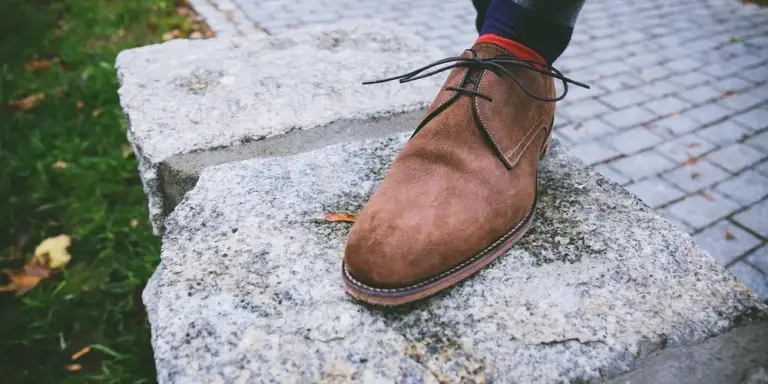
Suede requires a gentler touch than smooth leather. Its fuzzy surface, called the nap, can easily mat down or show watermarks. The safest way to shrink suede is with indirect steam, which provides moisture without wetting the fibers deeply.
Suede is more delicate because its porous, raised surface traps moisture and dirt. Applying water directly often leads to permanent dark spots and a stiff feel.
Using Steam for Gentle Contraction
Steam offers a safe amount of moisture that lets the suede contract without getting soaked. You will need a kettle or a garment steamer.
- Heat water until it produces a steady stream of steam. If using a kettle, remove it from the heat once it boils.
- Hold the suede item over the steam, keeping it at least 10 inches away. Move the item slowly to expose all areas evenly. You want to feel the warmth, not get it wet.
- As the suede becomes warm and soft, gently stretch and massage it with your fingers. Work on the specific areas you want to shrink.
- Shape the item as you want it to fit, then let it cool and dry completely on a flat surface or a padded hanger.
The steam method allows for controlled shrinking because it minimizes direct contact with liquid, protecting the suede’s soft texture.
For a very small, specific area, you can try a damp cloth technique. Dampen a clean, white cloth with water, then wring it out until it is almost dry. Lightly press (do not rub) the cloth onto the spot. Let it air dry. This is risky, as any excess moisture can leave a stain or flatten the nap.
After the suede is fully dry, use a suede brush or a clean, soft toothbrush. Brush the nap gently in one direction to lift the fibers and restore its velvety handfeel.
Aftercare: Locking in the New Fit and Keeping It Soft
The shrinking step is over. Now, the real work begins. How you treat the leather next determines if it stays supple and strong or becomes stiff and cracked. Patience here is everything when preventing it from drying out.
Step 1: The Complete Dry-Out
Do not touch it. Do not wear it. Your leather or suede item must dry all the way through on its own time. Rushing this with a hairdryer or radiator will bake the fibers, making them brittle. humidity and ambient temperature influence how leather dries, which informs the most effective prevention and repair strategies.
Lay the item flat in a room with good air flow. Keep it away from direct sunlight and all heat sources. For a boot or shoe, you can loosely stuff the toe with crumpled paper to help it hold its new shape as it dries. This can take 24 to 48 hours. Touch the inside lining to be sure no dampness remains. Letting the leather dry completely and slowly is the single most important step for preventing damage after shrinking.
Step 2: Replenish the Lost Moisture (Leather)
Leather is skin. Just like your skin after a hot shower, it needs moisture. The heat and water from shrinking pull out its natural oils. If you skip conditioning, the leather will feel stiff, look dull, and be prone to cracking at the stress points.
Once the item is bone-dry, apply a quality leather conditioner or balm. Use a clean, soft cloth and work in a thin, even layer. For smooth leathers like Mason’s saddle, a general-purpose conditioner works well. For delicate or dyed leathers like June’s jacket, a lighter, pH-balanced product is safer – especially for jackets and luxury handbags that need extra care.
- Apply conditioner to a small, inconspicuous area first to check for color change.
- If it looks good, condition the entire item using small circular motions.
- Let the product soak in for the time recommended on the label, usually 15-30 minutes.
- Buff off any excess with a clean, dry cloth.
The leather will darken slightly while wet but should lighten back close to its original shade as it fully absorbs the conditioner. Conditioning restores the oils that keep leather flexible and strong, transforming it from dry and stressed to supple and protected.
Step 3: Caring for the New Suede Shape
Suede needs a gentler touch. Do not apply standard leather conditioners, as they can matt the delicate nap. After it is fully dry, your main jobs are storage and brushing.
To store suede, keep it in a cool, dry place. Use a padded hanger for jackets or stuff bags with tissue paper to help them hold their form. Never cram suede items into a crowded closet, as this will crush the texture.
Use a suede brush (a soft-bristled brush or a special nubuck/suede eraser block) to gently brush the surface. Brush in one direction to lift the nap and restore its velvety look. This also helps erase any light water spots or stiff areas from the shrinking process.
A Tip from the Workshop: The Grace Period
After I had to tighten a strap on Mason, my old saddle, I made a habit. For the next month, I gave him a very light conditioning every two weeks. Not a full treatment, just a quick pass with a barely-damp cloth.
This served as a “grace period” for the leather fibers. It helped them settle into their new, tighter arrangement without drying out or resisting the change. A little extra care in the weeks after shrinking helps the leather accept its new form gracefully and durably. Your wallet or boots will thank you.
Know When to Stop: Call a Professional
Sometimes, home methods are not enough. If your item is still too loose after one careful attempt, do not try to shrink it again. You risk over-drying and damaging it beyond repair.
If the leather feels papery, cracks when bent, or the stitching has become strained, stop. These are signs you need an expert. A professional cobbler or leather repair shop has the tools and materials to safely alter a garment or accessory, often with better, longer-lasting results. There is no shame in seeking help to preserve a cherished item.
Quick Answers
What if I accidentally shrink it too much?
Condition the leather thoroughly with a quality product to reintroduce flexibility. Then, gently wear and flex the item to encourage a slight, natural stretch back to a more comfortable fit.
Can I shrink a lined leather jacket without damaging the lining?
It’s risky, as the fabric lining often shrinks more than the leather, causing puckering and tension. For lined garments, the safest adjustment is always taken in by a tailor at the seams.
Is the steam method safe for all types of suede?
Yes, indirect steam is the universal safest method for genuine suede because it minimizes direct moisture. However, always perform a test on a hidden seam first to check for color fastness and texture change.
Between the moisture and heat methods for leather, which is more reliable?
The controlled moisture method is slower but generally safer for most types, as it mimics natural drying contraction. The gentle heat method requires more precision to avoid overheating and is best for small, targeted areas.
When should I absolutely not attempt to shrink something myself?
Do not attempt on any item with significant existing damage, like deep cracks or rotten stitching, or on delicate antique pieces. For very expensive, intricately constructed, or irreplaceable items, professional conservation is the only safe choice.
Final Thoughts on Shrinking Leather Safely
Remember, shrinking leather is about control, not speed. The safest method always gives the material time to respond to gentle heat and moisture in small, manageable steps.
Proper care and repair directly honor the material, extending the life of a well-made item. With practice, you learn to read the leather’s grain and temper, building a skill set that serves every piece in your care. However, no amount of knowledge about leather characteristics alone can match a solid foundation of general care and treatment methods.
References & External Links
- How to Shrink Shoes: 9 Steps (with Pictures) – wikiHow
- Way to Shrink Leather Our Informative Guide – Vintage Leather Sydney
- How To Shrink Leather – Von Baer
Harriet is a avid collector of leather goods such as purses, bags, seat covers, etc and has an extensive background in leather care, recovery, stain removal and restoration. She has worked for a number of years perfecting her leather care techniques and knows the ins and outs of restoring all kinds and types of leather products. With her first hand knowledge in leather care, you can not go wrong listening to her advice.
Suede and Nubuck Care