How is Leather Made? A Guide to Tanning Hides and Production Methods
Published on: March 19, 2026 | Last Updated: March 19, 2026
Written By: Harriet Nicholson
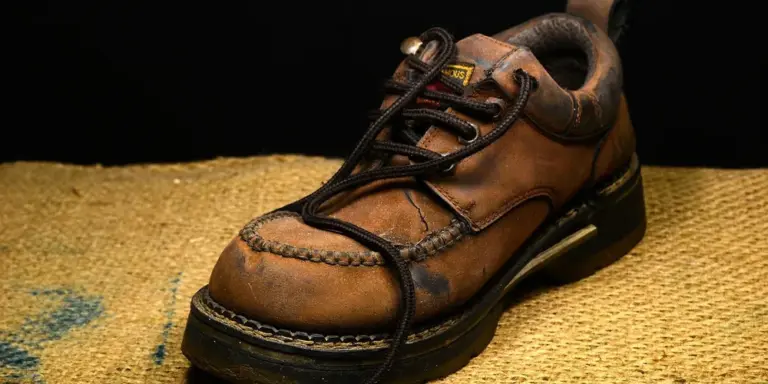
Hello Tannery Talk, if you’ve ever stroked the grain of a well-loved piece like my saddle Mason and wondered how it became so durable, you’re in the right place. Let’s walk through the transformation from raw hide to the leather you care for.
We will cover the key stages of hide preparation, the differences between vegetable tanning and chrome tanning, and how each method shapes your leather’s feel and aging.
I explain this from the bench, having conditioned and repaired countless goods, learning how tanning choices impact everything from Scout my wallet’s patina to June my jacket’s softness.
What Is Tanning and Why Is It Absolutely Necessary?
Tanning is the simple but brilliant process that stops a raw animal skin from rotting and turns it into stable, usable leather. In this guide, we’ll explore the various tanning and finishing methods.
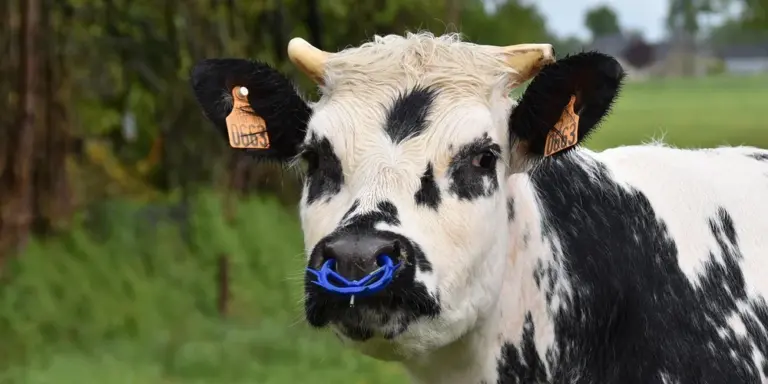
Think of a fresh hide as a sponge made of protein fibers called collagen. Left alone, these fibers would decay. They would smell and fall apart. Tanning steps in and bonds with those fibers. It makes them resistant to water, heat, and bacteria. Without it, a hide would either putrefy or dry into a stiff, brittle board, like a rawhide dog chew.
This is the single most important fact for leather care: tanning puts stability and oils into the hide, and our job is to replenish those oils over time through conditioning. That tanning chemistry shapes durability—vegetable, chrome, or other methods—by determining how well those oils stay bound over time. Conditioning then supports that durability. Every time I condition my old saddle Mason, I’m continuing the work that started in a tannery.
So, what are tanneries? They are the specialized workshops where this essential, chemical transformation happens. It’s where the journey from perishable hide to durable leather begins.
A Hide’s Journey: The Core Steps in a Tannery
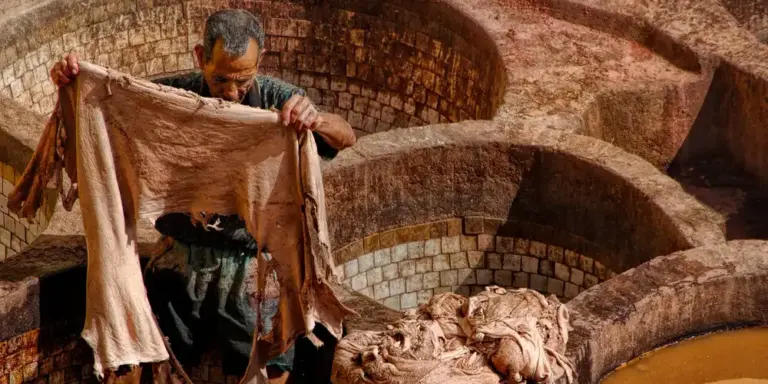
Let’s walk through how a tannery works, from smelly raw hide to the leather you know. It’s a journey of cleaning, transformation, and refinement.
Stage 1: Curing and Preparation (The Beamhouse)
This is where every hide starts its cleanup. Hides arrive preserved in salt, stiff and crusty. They are soaked in water for hours to rehydrate, returning them to a soft, floppy state.
Next comes liming. The hides are soaked in a lime solution. This loosens the hair and epidermis so they can be scraped away. It also swells the fibers to prepare them for tanning. This stage has a distinct, fleshy, organic smell. People often ask, “do tanneries smell?” The answer is yes, especially here. It’s the smell of biology at work.
After liming, hides go over a fleshing machine. A rotating blade scours away any remaining flesh and fat. This leaves a clean, uniform surface. All these steps use a lot of water. Modern tanneries manage this carefully. A responsible tannery treats its water, aiming for efficient systems. For example, a tannery with a specific wastewater flow measurement shows it’s monitoring and managing its environmental impact from the very start.
Stage 2: The Actual Tanning (The Change)
This is the magic moment. The prepared hide goes into a drum with tanning agents. For chrome tanning, this means chromium salts. For vegetable tanning, it’s a brew of tree bark and plant matter.
The drum tumbles for hours. The tannins penetrate every fiber, bonding with the collagen. You can see the change. A hide goes in pale and comes out with a new base color. Chrome-tanned leather emerges a vivid wet-blue. Vegetable-tanned leather comes out a pale, creamy brown. This step is irreversible. The hide is now leather. It will not rot.
This is the irreversible turning point where the protein structure is permanently stabilized. The choice of tanning agent here decides the leather’s core personality. Think of it like the foundation of a house.
Stage 3: Finishing (Where Character Develops)
Now the leather gets its character and feel. This stage is a lot like how we condition and polish our own goods. First, the leather may be retanned for more specific qualities. Then it’s dyed for color.
A critical step is fatliquoring. Oils and fats are added back into the leather to lubricate the fibers. This makes it soft and supple, not dry and stiff. It’s why a new leather jacket has that wonderful feel. Over years, these fats dry out. That’s why we condition our leather items. When I apply conditioner to my jacket June, I’m performing a simple version of fatliquoring.
Finally, the leather is dried. It might be smoothed by plating under heated plates or buffed with brushes for a subtle sheen. These last touches define the final look, from a matte pull-up to a high-gloss finish.
The finishing process determines the final handfeel and appearance, just as your care routine maintains the character of your favorite piece.
Vegetable Tanning: The Traditional, Patient Method
This is where leathermaking feels like alchemy, using what nature provides. Instead of synthetic chemicals, this method uses natural tannins. These are compounds found in tree bark (like oak or chestnut), wood, leaves, and even some fruits.
The tannins bond permanently with the hide’s collagen fibers, transforming perishable skin into a stable, durable material through a slow, gentle process.
The Steps: A Ritual of Time
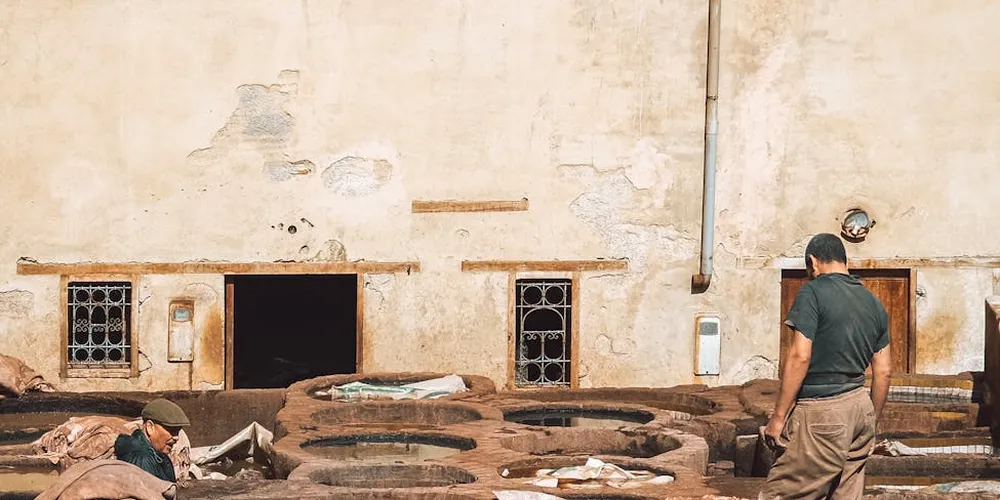
Picture a quiet yard with a series of deep pits or large vats. The process is hands-on and measured in seasons, not hours.
- Preparation: The cleaned hide is first soaked in lime and fleshed to remove hair and impurities, making it ready to accept the tannins.
- The Tanning Pits: The hide is submerged in a series of pits or vats. Each vat holds a stronger solution of tannin-rich bark liquor than the last. Workers move the hides from one vat to the next over many weeks.
- Patience is Key: This gradual increase in tannin strength is crucial. Moving the hide too quickly can cause the outside to harden and seal, preventing the inside from tanning properly. The entire process can take over a month, sometimes much longer.
- Finishing: After tanning, the leather is dried, often by hanging. It may be lightly oiled or waxed and then pressed or rolled to smooth its surface.
The Leather You Get
Vegetable-tanned leather has a distinct personality right from the start. It is initially firm with a tight, natural grain. Its color is a warm, pale tan-think of the inside of a brown paper bag.
This leather is famous for developing a rich, dark patina from sunlight and the oils of your hands, telling the story of its use over years. It has a subtle, earthy scent, like old books and oak bark. It’s also biodegradable, coming full circle from nature.
Take my old English saddle, Mason. He started as a stiff, light chestnut color. Eight years of riding, sweat, sunshine, and careful oiling have given him a deep, glowing amber hue and a buttery-soft feel in the seat. That’s the veg-tan character.
Your Questions, Answered
How long does vegetable tanned leather last?
A very long time. With proper care, it can outlive its owner. Because the tanning process is so thorough and natural, the leather ages beautifully rather than decomposes. Think of heirloom trunks, century-old saddles, or vintage belts. Its durability is legendary.
Does vegetable tanned leather crack?
It can, if it’s starved. This leather is a natural product and needs moisture to stay supple. Cracking happens when the fibers become dry and brittle. Prevention is simple: regular conditioning with a quality leather conditioner or oil is non-negotiable. Clean it with a gentle, pH-balanced cleaner first, then apply conditioner. Let it absorb fully. Doing this once or twice a year, depending on use, keeps the fibers nourished and flexible, preventing those dreaded cracks before they start.
Chrome Tanning: The Modern, Supple Standard
If vegetable tanning is the slow, traditional craft, chrome tanning is the efficient, modern counterpart. This method uses chromium salts, primarily chromium sulfate, to transform raw hide into a stable leather. The process is much faster, often taking just a day, and produces a leather that is incredibly consistent and supple right from the start.
The Steps: From Hide to “Wet-Blue”
The process is a marvel of modern chemistry. After the initial soaking and hair removal, the hides move into the tanning drums.
- Pickling: The hides are soaked in an acid and salt solution. This lowers the pH, preparing the hide’s structure to fully accept the chromium salts.
- The Tanning Drum: The chromium sulfate solution is added to the rotating drum. The hides tumble for hours, allowing the chromium ions to bind tightly to the collagen fibers.
- The “Wet-Blue” Stage: This is the signature moment. When the hides emerge, they are no longer raw, perishable skin. They are a stable, pale blue-green color-this is “wet-blue” leather. It feels rubbery and damp but is now permanently preserved and ready for the next stages like dyeing and fatliquoring.
The speed and uniformity of chrome tanning make it the dominant method for most of the leather goods you own today, especially when compared to traditional methods used for specialty items like cowhide used in rugs and home decor.
The Feel of Chrome-Tanned Leather
The leather from this process has a distinct character. Think of my jacket, June. Her soft calfskin body is chrome-tanned. It’s pliable from day one, water-resistant because the chromium bonds repel water, and far less prone to permanent water staining than veg-tan leather. It has a smooth, uniform feel that’s perfect for garments, bags, and upholstery where immediate softness is key.
This doesn’t mean it’s maintenance-free. Chrome-tanned leather still needs hydration to prevent the fibers from drying and cracking over years. A light, pH-balanced conditioner applied once or twice a year keeps it supple.
Is Vegetable Tanned Leather Stronger Than Chrome Tanned?
This is a common question, and the answer depends on what you mean by “strong.” It’s not a simple yes or no.
Chrome-tanned leather generally has higher tensile strength-it’s harder to stretch or pull apart. The chromium creates very tight cross-links between fibers. This makes it excellent for items that need to hold their shape under tension, like a handbag or a shoe upper.
Vegetable-tanned leather often has better tear strength. The long tannin molecules can allow the leather to resist a propagating tear, which is part of why it’s favored for heavy-duty saddlery and belts. Think of it like this: chrome tan might resist stretching, while veg-tan resists a sudden rip.
The real difference is in character and care. Chrome tan gives you soft, water-resistant, and consistent leather from the start. Vegetable tan offers a material that ages, develops a patina, and feels more substantial. One isn’t universally “stronger”; each is perfectly suited for different jobs. Your choice depends on the feel you want and the story you want the leather to tell.
Other Tanning Methods and What They Create

The world of different leather tanning methods is vast, offering unique textures and properties for every need. While vegetable and chrome tanning dominate, these alternatives create leathers with special characters.
Chrome-Free (Aldehyde) Tanning
Often called “wet-white” tanning, this method uses aldehydes instead of chromium salts. It creates a very soft, pliable leather that can be dyed in bright whites and pastel colors. Many brands promote it as an eco-friendly alternative.
The leather feels wonderfully supple straight from the tannery. My jacket, June, is made from a similar soft calfskin, and that easy drape is a joy. But this softness needs respect.
Care for chrome-free leather with a gentle, pH-balanced cleaner and a light, non-oily conditioner to maintain its softness without darkening those light hues. Avoid heavy waxes or oils, which can stain and stiffen the delicate fibers.
Oil Tanning
Imagine leather that feels like a super-soft, thick cloth. That’s oil-tanned leather. Hides are stuffed with oils (traditionally fish or whale oil, now often synthetic blends) until they become incredibly absorbent and soft. Chamois cloths are a classic example.
This leather is a thirsty sponge. If you get it wet, it will darken dramatically and take days to dry completely. I learned this the hard way cleaning an old oil-taned bag.
To care for oil-tanned leather, blot moisture immediately with a towel and let it air dry away from heat, which can cook the oils and make the leather brittle. Condition it sparingly with specific oil-tan products, as it already holds so much.
Brain Tanning (Historical)
This is one of the oldest methods of tanning leather, used for millennia by indigenous peoples and homesteaders. The process uses animal brains (which contain natural emulsifying oils) to create a leather that is unbelievably soft and supple, often like suede. Studying these historic methods sheds light on how modern repair and restoration techniques evolved. Tracing brain-tan origins helps explain current repair choices and preservation practices.
It’s purely a small-scale, artisan method today. The result is magical but requires dedicated care. The leather is not highly water-resistant and can feel almost fragile.
Brain-tanned leather needs regular, light conditioning with pure oils like neatfoot or mink oil to replenish its natural softness and provide some weather protection. It’s a labor of love, connecting you directly to the ancient roots of the craft.
Caring for Your Leather Based on How It Was Tanned
Knowing how your leather was tanned is the secret to keeping it for years. This isn’t just theory, it’s hands-on advice I use for my own gear. Here’s how to care for the three main types you own.
Vegetable-Tanned Leather (Veg-Tan)
Think of veg-tan leather like a piece of solid wood. It starts stiff and pale, but ages beautifully with your touch. My wallet, Scout, is veg-tan. It’s darkened from honey-brown to a rich russet from the oils in my hands and occasional conditioning.
Veg-tan leather loves to be fed conditioners and will develop a unique patina that tells your story.
Care is straightforward but consistent:
- Clean Gently: Use a damp, soft cloth. For grime, a pH-balanced leather soap with a soft brush works well. Let it dry completely, away from direct heat.
- Condition Regularly: This is the key. Apply a light, even coat of a natural oil or wax-based conditioner (like those with beeswax or lanolin) every 6-12 months, or whenever it feels dry.
- Embrace the Change: Conditioner will darken the leather temporarily. As it absorbs over 24 hours, the color evens into a deeper, richer shade. This is the patina forming.
A common mistake is using too much conditioner too often. It can oversaturate and weaken the fibers in leather. If the leather feels supple and cool to the touch, it doesn’t need more.
Chrome-Tanned Leather
Most leather jackets, bags, and furniture are chrome-tanned. It’s soft, water-resistant, and comes in many colors. My jacket, June, is chrome-tan calfskin. It’s low-maintenance but benefits from a shield.
Chrome-tan leather is low-maintenance but a protector spray is its best friend for repelling daily spills and stains.
Focus on protection over conditioning:
- Surface Cleaning: Wipe with a dry or slightly damp microfiber cloth. For stains, a neutral leather cleaner is safe.
- Protect: Use a silicone-free leather protector spray. In a well-ventilated area, hold the can 6 inches away and apply a light, even coat. Let it dry for 2 hours. This creates an invisible barrier.
- Condition Sparingly: Only use a light, water-based conditioner if the leather loses its suppleness. Chrome-tan doesn’t absorb oils like veg-tan.
Avoid heavy oils or waxes. They can sit on the surface, feel greasy, and might damage the dye.
Oil-Tanned Leather
This leather is tanned and stuffed with oils and waxes, making it famously water-resistant and rugged. It feels waxy and has a matte finish that shows marks and scratches, which is part of its character.
Oil-tan leather needs specific oil treatments to replenish what time and wear slowly pull out.
You are maintaining its built-in finish:
- Simple Cleaning: Brush off dirt. For serious mud, rinse under lukewarm water and let it air dry. It can handle it.
- Re-oil: Once a year, or when it looks pale and dry, apply a leather oil or grease made for oil-tanned goods. Use a cloth and rub it in thoroughly. Let it absorb for 24 hours.
- Buff: After it dries, buff with a soft brush to restore the matte look and remove excess.
Using the wrong product, like a standard conditioner, won’t penetrate the waxy surface. Stick with products labeled for oil-tanned or waxed leather.
Quick Care Guide
Choosing Leather with a Clear Conscience
The best care starts before you buy. Leather is a byproduct, and supporting tanneries that prioritize ethics makes a difference.
Look for tanneries that are transparent about their sourcing and environmental management, because responsible practices lead to better, longer-lasting leather.
I encourage you to ask retailers or brands about their tannery. Tanneries that have been operating for decades, like the ones you might search for, often combine traditional skill with modern responsibility. Supporting these businesses helps preserve craft and promotes animal welfare. A well-made piece from a responsible source is always easier to care for and lasts a lifetime.
Quick Answers
Can I try leather tanning at home?
You can, but it’s a messy, chemical-intensive process best left to professionals. If you’re determined, start with a small kit and a ready-to-tan hide, never a fresh one from a butcher.
Is the information on sites like Wikipedia accurate for the basics?
Yes, for a high-level overview of methods and history, it’s perfectly fine. For the gritty details of pH management, chemical reactions, and hands-on troubleshooting, you need specialized tannery texts or a mentor on the floor.
How do I choose the right type of tanned leather for a project?
Match the leather’s inherent properties to the item’s use: veg-tan for tooling and patina, chrome-tan for softness and water resistance, oil-tan for rugged, waxy durability. Your choice dictates your future care routine, so pick wisely.
What’s the most durable leather tanning method?
Durability isn’t a single measure. Chrome tanning often gives higher tensile strength, while vegetable tanning can offer better resistance to tearing. The most durable leather is the one that is correctly maintained for its specific type. Understanding how long leather furniture lasts depends on several factors, including climate, usage, and maintenance. We’ll explore the factors that determine its durability in the next steps.
Final Thoughts on Leather Tanning
The journey a hide takes through a tannery defines the leather in your hands. The tanning method-whether vegetable, chrome, or another process-gives your leather its fundamental character, feel, and how it will age with you.
Knowing this origin story makes you a better steward for your goods. Choosing well-made pieces from responsible sources and maintaining them with appropriate care honors the material and the craft, ensuring your leather lasts for generations.
References & External Links
- Leather production processes – Wikipedia
- How is Leather Made? | Leather Manufacturing
- Ahlstrom – The 5 steps of leather production process
- How is leather made? The 5 steps in leather making
- How Leather Is Made in 23 Steps
Harriet is a avid collector of leather goods such as purses, bags, seat covers, etc and has an extensive background in leather care, recovery, stain removal and restoration. She has worked for a number of years perfecting her leather care techniques and knows the ins and outs of restoring all kinds and types of leather products. With her first hand knowledge in leather care, you can not go wrong listening to her advice.
Vegetable-tanned vs. Chrome-tanned Care