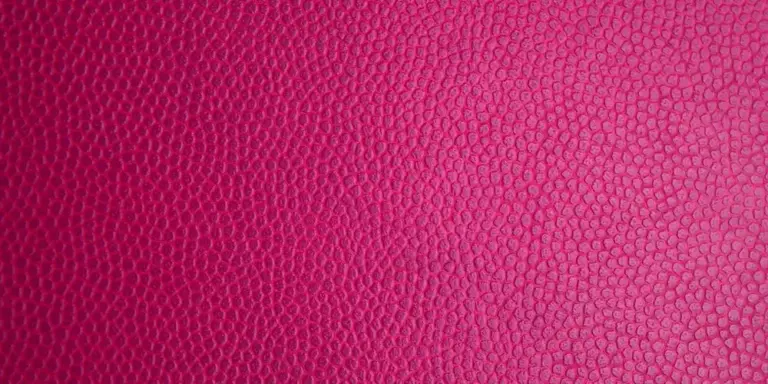
How Can You Tell Real Leather from Fake? A Leatherworker’s Guide
Published on: January 25, 2026 | Last Updated: January 25, 2026
Written By: Harriet Nicholson
Hello Tannery Talk. That moment of doubt when you’re not sure if your find is genuine leather or a clever fake, I understand that worry completely.
Let’s walk through the simple, hands-on checks I use in my workshop. We will cover reading the natural grain, testing the material’s handfeel, trusting the distinctive scent, and performing a straightforward water test.
With years spent repairing and caring for leather goods like my steady saddle Mason and soft jacket June, I share these methods from daily practice.
What Real Leather Feels Like in Your Hands
Pick up a trusted leather item. Close your eyes. What you feel is more than just material, it is life. Real leather feels warm and welcoming, like a familiar handshake. It is supple and has a slight give. The surface has a gentle, slightly soft texture, similar to well-worn skin. It is never perfectly smooth. You feel the natural grain, a topography of tiny peaks and valleys.
Now, feel a piece of faux leather. The first thing you notice is often the temperature. It feels cool, like plastic, because that is essentially what it is. The surface can feel uniformly smooth, slick, or have a synthetic, rubbery texture. There is no depth to the feel, no subtle softness underneath.
My saddle, Mason, has a handfeel you cannot fake. After eight years, the leather is firm yet yields to pressure, warm from the sun and use. My jacket, June, has areas of soft creasing that feel like thin, flexible paper, while other spots remain dense and cool. These variations are normal. Real leather interacts with its environment and your touch, changing temperature and flexing with a quiet confidence that synthetic materials lack.
This tactile difference is your first and most reliable clue. Your skin is a good judge. Here is a simple test you can do right now:
- Warm the material in your hands for 10-15 seconds.
- Press your thumb firmly into the surface for a moment and release.
- Real leather will often retain a slight imprint that slowly fades, showing its porous, responsive structure. Faux leather will usually spring back immediately or show no imprint at all, revealing its non-porous, plastic base.
The Look of Leather: Grain, Pores, and Imperfections
Your eyes can confirm what your hands suspect. Look closely. Real leather is a natural hide, and like your own skin, it is unique. You will see an irregular grain pattern that never repeats exactly. Look for natural pores, tiny specks or lines where hair once grew. These are not flaws, they are proof of authenticity. You might see slight scars, stretch marks, or variations in color density. This is beautiful. It tells a story.
Faux leather is manufactured. Its texture is printed onto a fabric or plastic backing. Look for a pattern that repeats itself every few inches, like a roll of wallpaper. The surface is often too perfect, with a consistent, artificial sheen. The “pores” are stamped in uniform rows, lacking the random, organic placement of real skin. To tell if it’s genuine cowhide and where it comes from, check for natural grain variation and traceable sourcing. Real cowhide carries unique blemishes and a documented origin, unlike uniform faux alternatives.
Think of it this way: real leather is like a unique landscape, with rolling hills, unique rocks, and changing light. Faux leather is like a photo of that landscape printed on a smooth vinyl banner. The texture and feel are just not the same.
Inspecting a smaller item, like a real leather makeup bag or a wallet, makes this easier. Hold it under a good light and examine the surface from different angles. Tilt it. The light will catch the natural peaks and valleys of the grain on real leather, creating a play of shadow and highlight that looks alive. On faux leather, the light reflects evenly off the flat, printed surface.
Do not be fooled by a label that says “Genuine Leather.” This is a technical term for a lower-grade real leather that has often been heavily processed and coated, which can mask its natural look and feel. Focus on the physical evidence in the material itself. The best test combines what you see and what you feel. To understand what you’re seeing, a complete guide on leather grades and classifications helps. It translates surface cues into real insight.
Trust Your Nose: The Smell Test for Genuine Leather
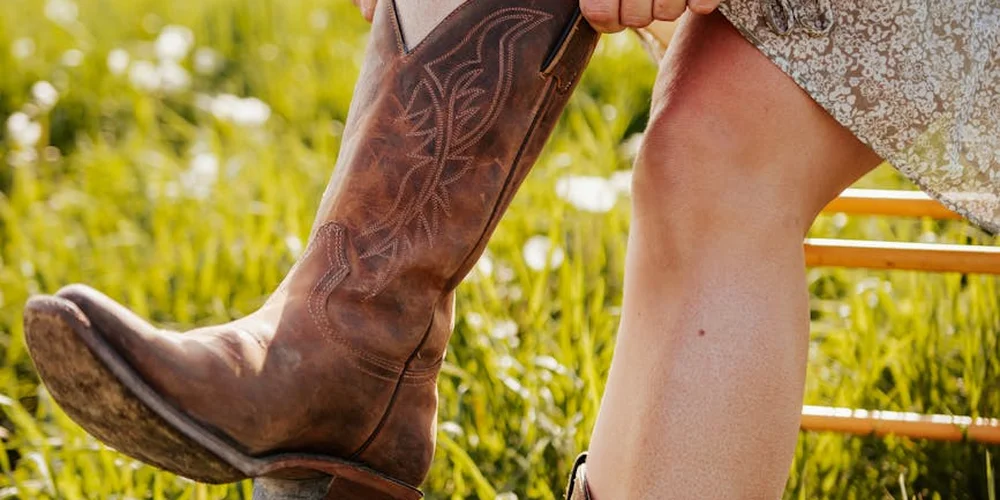
Your nose is one of the most reliable tools for checking leather. A genuine hide has a distinct scent that is very hard to fake. It is a rich, warm, and organic smell. It reminds me of walking into an old library filled with leather-bound books or the clean, earthy scent after a rain. This signature aroma comes from the tannins used to preserve the hide.
Think of my saddle, Mason. After years of use and care, he still has that deep, comforting scent of oak bark tannin. It is not a perfume. It is a natural, complex smell that feels alive.
Faux or bonded leather has a completely different smell. You will notice a sharp, chemical odor, like new plastic or vinyl. Sometimes it is sweet and artificial, similar to a new shower curtain or a cheap inflatable pool toy. This smell might fade over time, but it never develops into that rich, natural leather aroma.
The smell test is quick and tells you a lot about what you are buying, but you should use it respectfully. Do not aggressively sniff a bag or jacket in a busy store. The best time for a confident check is after you have purchased the item and can inspect it closely at home. Find an inconspicuous spot, like the back of a strap or an inside seam, and take a good whiff.
That authentic smell is a direct link to quality and responsible sourcing. Leather tanned with natural materials, like vegetable tannins, has the most complex and pleasing scent. It speaks to a slower, more thoughtful process. When you choose real leather with that honest smell, you are often supporting better practices for the animals and the environment. You are choosing a material that ages with character, just like Mason or June, rather than one that just wears out.
Checking the Edges and Backing
When other tests are tricky, the edges and backing of the material give you a clear answer. This is where the truth of a material’s construction is hardest to hide. It’s like checking the cross-section of a tree to see the rings versus looking at a printed laminate.
Examine the Cut Edges
Find a seam or a cut edge that isn’t finished with paint or binding. A raw, unfinished edge is your best clue. Look closely at its surface.
Real leather shows a rough, fibrous, and layered edge, almost like compacted bread crumbs or a dense sponge. You can often see slight variations in texture and color through the layers. Run your fingernail gently across it; you might raise a few tiny fibers. This is the grain layer, corium, and flesh layer all pressed together.
Faux leather, like PVC or PU, has a smooth, uniform edge. Sometimes you’ll see a clear line where the colored plastic topcoat is glued to a grey or white fabric or mesh backing. The edge feels perfectly even, with no natural fiber structure.
Look at the Backside
If you can, peek behind the material. Check inside a bag’s pocket seam, under a chair cushion, or behind a clothing tag.
The back of real leather is its “flesh side.” It feels slightly fuzzy or suede-like, with a visible, uneven fibrous texture. It’s absorbent. If you put a tiny drop of water on it (in a hidden spot), the leather will drink it in slowly.
The back of faux leather is almost always a woven fabric or knit backing, clearly man-made, glued to the plastic surface layer. It won’t absorb water; the droplet will just sit on top. This backing is consistent and uniform, unlike the organic, variable texture of real leather’s underside.
A Real-World Example: Scout vs. a Synthetic
Take my wallet, Scout. Its edges are unfinished, burnished smooth by hand. But if I look at the card slot openings, I can see the fibrous, tan-colored edge. It’s not perfectly uniform; there’s a gentle roughness to it.
Now, picture a synthetic wallet. The cut edges are often sealed with a shiny, colored paint or a hard plastic coating to hide the fabric core. If you scratch that coating, you’ll find that smooth, two-tone edge I mentioned.
Where This Method Works Best
This check is incredibly reliable for furniture, bag linings, and the interiors of shoes. On a leather chair, check the underside of an arm or the back where the material is stapled. For a bag, look inside at the seam allowances where the lining is attached. Finding that fibrous edge or suede-like back is the surest sign you’re working with genuine leather, and that knowledge guides how you’ll clean and condition it for years to come.
Simple At-Home Tests You Can Do
You do not need a laboratory. With a few simple checks, you can learn a lot about your bag, jacket, or belt.
Start with the safe, non-destructive methods. These will not harm a genuine piece and are your first line of inquiry.
- The Water Drop Test: Leather is skin, and skin absorbs. Faux leather is plastic, and plastic repels. This test uses that basic truth.
- The Bend and Pinch Test: Leather has a living, fibrous structure that moves. Faux leather has a uniform coating that stresses. This test feels for that difference.
There is a third, destructive test-the burn test. I only recommend this for a spare scrap of material, like a tag or a hidden seam allowance you can sacrifice, and never on a finished item you care about. Real leather smells like burnt hair or paper. The ash is crumbly. Faux leather melts, drips, and smells acrid like burning plastic. Keep this in your back pocket for absolute certainty on a disposable piece.
The Water Absorption Test
This is my go-to first check. It is simple, revealing, and safe when done correctly.
Find a discreet spot. Inside a wallet, under a collar, or inside a seam are perfect. The goal is to see the material’s reaction, not to leave a visible mark.
- Ensure the surface is clean and dry.
- Place one single, small drop of water on the spot. A droplet from your fingertip is enough.
- Watch it for 15-20 seconds.
What you want to see is a gradual darkening of the spot as the water soaks in. Real leather is porous. My wallet, Scout, would drink that drop right up, leaving a temporary darker patch that fades as it dries.
If the water just sits there in a perfect bead, beading on the surface like it would on a waxed car, you are likely looking at faux leather or a heavily plastic-coated material.
Here is a crucial tip. Some high-quality real leathers have a top finish or wax that causes water to bead initially. Wait a full minute. On real leather, that bead will eventually break and start to darken the surface. On faux leather, it will just sit there, unchanged.
The Bend and Pinch Test
This test is about feel and memory. It works beautifully on flexible items like a makeup pouch, a cap’s brim, or the cuff of a glove.
Take the material and gently bend it or pinch a small section between your fingers. Apply light pressure to create a temporary crease.
Real leather will form soft, natural-looking wrinkles that spread out from the pinch point, and the surface grain will become more pronounced. When you release it, the crease will relax and mostly smooth back out, leaving only a faint memory. Think of the gentle creasing on the elbows of my jacket, June. It folds with grace.
Faux leather reacts differently. It often creates a stark, white-colored line or a bunch of small, uniform cracks along the bend, like a brittle plastic film. When you release it, that crease or those crack-lines may remain very visible. The material feels thin and plastic-like, lacking the supple, layered resistance of real hide.
Use a light touch. You are not trying to damage the item. You are asking it a question about its nature by feeling how it moves and rebounds.
How to Read Labels and Tags Correctly
The first place to look for answers is often the tag. It can tell you a lot, if you know how to read it. Think of it like the label on a food item. You want clear ingredients, not just a catchy name.
I treat every new tag like a puzzle. My goal is to find the truth behind the marketing words.
Decoding Common Terms
Manufacturers use specific words, and their meanings matter. Here’s a straightforward guide to the most common ones you’ll see.
“Genuine Leather” is a real, specific grade of leather, but it’s not the top shelf. It comes from the layers of the hide just below the top-grain. It’s often sanded and given a uniform coating or embossed pattern. It’s real leather, but it won’t develop a rich, personal patina like my jacket June has. It’s more like the reliable workhorse of the leather world.
“Top-Grain Leather” is the highest quality you’ll commonly find in finished goods. This is the top layer of the hide, just beneath the hair. It’s strong, breathable, and beautiful. Most of the leather I work with, from belts to bags, is top-grain. It takes conditioners well and ages with character. There are other leather grades too—full-grain, corrected-grain, and genuine leather—so understanding top-grain leather grades and the differences helps you compare quality. Each grade has its own balance of durability, texture, and aging potential.
“Full-Grain Leather” is the uncut, top layer of the hide with all its natural markings intact. It’s the most durable and develops the best patina over decades. Think of Mason, my saddle. His deep chestnut color and scars tell a story. Full-grain is often used in items built to last a lifetime.
“Bonded Leather” is like particle board made from leather scraps. It’s created by shredding leather leftovers, mixing them with polyurethane or latex onto a fiber mesh, then embossing a grain pattern on top. It might smell faintly like leather initially, but it cracks and peels quickly. It does not age, it just deteriorates.
“PU Leather” or “PVC Leather” are purely synthetic. These are plastic coatings on a fabric base. They feel uniform and plasticky, lack any natural scent, and don’t absorb conditioner. Water beads on the surface instead of soaking in slightly, like it does on real leather.
The Truth About “Genuine Leather”
This term causes the most confusion. Many people believe it means “100% real and high quality.” In the leather industry, it’s actually a technical grade.
Imagine the leather hide is a loaf of artisanal bread.
- Full-Grain is the crisp, whole crust.
- Top-Grain is the first perfect slice underneath.
- Genuine Leather is the next few slices down.
It’s still bread (real leather), but it’s not the most flavorful or durable part. A label saying only “Genuine Leather” is often a sign of a mid-tier product. For a bag you’ll use daily for years, you might want to look for “Top-Grain.” For a heirloom piece, seek “Full-Grain.”
Look for Specific Tannery or Material Tags
High-quality, honest makers are proud of their materials. They will often tell you exactly what you’re buying.
Real leather items frequently have a second, more detailed tag sewn inside. This is a great sign. Look for mentions of the tannery (e.g., “Vegetable-Tanned in Tuscany”), the animal (e.g., “Full-Grain Steerhide”), or the tanning process (e.g., “Oak Bark Tanned”). My wallet Scout has a small tag that simply says “Veg-Tan Cowhide.” That specificity builds trust.
Faux leather tags almost never have this level of detail. They might say “Man-Made Material” or “100% Polyurethane.” If the tag is vague about the source, the product usually is too, especially when compared to genuine leather items from reputable brands.
Be Skeptical of Vague Terms
Your best tool is a healthy dose of doubt. Vague language is often used to disguise a synthetic material.
Here are phrases that should make you look closer:
- “Leather-Finished” or “Leather-Like”
- “Faux Leather” (this is honest, but confirms it’s not real)
- “Man-Made Uppers”
- “Premium Material” or “Luxury Feel” with no further explanation
When a tag uses fluffy words instead of clear facts, assume the material is not genuine leather until you can prove otherwise with a touch or smell test. A real leather tag should give you solid information, not just a vibe.
If you’re shopping online and the description is all about color and style but silent on the leather type, that’s a red flag. Reach out to the seller and ask directly, “Is this real, top-grain leather?” A good seller will know and tell you.
Care Clues: What Maintenance Tells You

Time is the truest test. How a material wears over months and years tells you everything.
Real leather is alive. It breathes and changes with you. My old saddle, Mason, is proof. After eight years, his deep chestnut color has softened into a rich, mottled patina. The grain is more pronounced, the surface is supple, and it has a gentle, warm scent. Real leather ages with character, developing a unique story through a patina that faux materials can never replicate. It might show scuffs or light creases, but these blend into its personality.
Faux leather tells a different story. It doesn’t age. It degrades. The plastic coating is a thin skin over a fabric base. With flexing and use, this skin cracks. Then it peels, revealing the rough cloth underneath. Once that process starts, it cannot be reversed or repaired effectively.
Think of my jacket, June. The soft calfskin gets conditioned twice a year. It drinks in the nourishment, staying supple. A synthetic jacket treated the same way would not absorb that care. Over time, the plasticizers in the vinyl would dry out and the material would become stiff and brittle, leading to those signature cracks.
A common question I get is about upholstered items, like a makeup dresser chair or a vintage train case. Owners worry about cleaning them. With real leather upholstery, you can gently clean and condition it. The leather will absorb the product, revitalizing it. For a faux leather piece, liquid cleaners often bead up on the surface, and conditioners just create a greasy film that attracts dust. If your chair’s “leather” is peeling in sharp, plastic flakes or has a uniform, plastic-like texture on the underside, it’s a sure sign of a synthetic material.
Spotting Real Leather Through Conditioning
The most practical test happens during routine care. It’s simple, safe, and revealing.
Find a small, inconspicuous spot, like the back of a strap or an inside corner. Clean it with a damp, soft cloth and let it dry completely. Then, apply a tiny drop of a neutral, oil-based leather conditioner or a pure natural oil like neatsfoot oil.
- Apply the conditioner to the test spot.
- Gently rub it in with your fingertip for 15-20 seconds.
- Watch what happens over the next minute.
Real leather acts like thirsty skin. It will quickly absorb the oil. The spot will darken noticeably as the liquid penetrates the fibers. After 30 minutes, the color will lighten again slightly but the area will feel softer and richer. This is what happens every time I condition Mason; he drinks it in and relaxes.
Faux leather will not absorb anything. The conditioner will sit on top as a shiny, oily smear. You can wipe it all away with a cloth, and the surface underneath will be completely unchanged-and likely still dry or dusty. This failure to absorb care is the hallmark of synthetic materials; they are coated, not porous.
This test is your best tool. It doesn’t damage genuine leather-it’s part of its proper care. If the product just sits there, you now know to adjust your long-term expectations for that item. You’ll save time and money on products that won’t help, and you’ll understand why that “leather” bag started peeling after a year of use.
Putting It All Together: Spotting Fakes in Common Goods
Now, take everything you know and look at your everyday items. A jacket, a handbag, a wallet, or a couch. The same simple checks work for all of them.
Let’s say you find a leather Lakers cap or a makeup pouch. You want to know if it’s real. Don’t just look at the price tag. Pick it up. Feel the material around the brim of the cap or the sides of the pouch. Real leather in these small items still has character. It might have slight texture variations. A fake will feel too perfect, too consistent.
Use my well-worn pieces as your mental benchmark. Think of June, my leather jacket. Her calfskin has a lived-in softness that only comes from real hide. Think of Scout, my wallet. His edges are rough and honest, not slick and fake. Compare any new item to these trusted companions, and the differences often become clear.
With a little practice, you can assess anything. Remember, real leather is not static. It breathes. It changes. A faux leather bag will look the same in a year. A real leather one will start to tell its own story through a developing patina.
For Apparel Like Jackets and Caps
Clothes are personal. They touch your skin. Your senses are the best tools you have here.
Start with your hands. Run your fingers over the surface. Real leather, like June’s, feels supple and has a slight warmth. It has a subtle grain you can detect. Fake leather often feels cool, plasticky, or unnaturally smooth.
Now, smell it. Bring the collar or cuff close. Real leather has a deep, organic scent from the tanning process. It might remind you of wood or rich earth. Synthetic materials smell like chemicals, or they have no scent at all.
Finally, inspect the seams. Turn a jacket inside out or look at a cap’s sweatband. Focus on high-wear spots like elbows or the cap’s inner rim. Genuine leather seams reveal a rough, fibrous backing where the hide was cut. Imitation leather will show a uniform fabric or a plastic-coated edge that looks too clean.
June’s character comes from years of wear. Her creases are soft and natural. On a fake jacket, similar folds might show white cracking or feel stiff, because the plastic coating is breaking.
For Accessories Like Bags and Wallets
These items take daily bumps and scrapes. The truth is in the details you might overlook.
First, check the edges. Look at the cut sides of a wallet strap or a bag’s flap. On Scout, my veg-tan wallet, the edges are slightly rough and absorbent, like a dense sponge. On a fake, the edges are usually perfectly smooth, sealed with a glossy paint or plastic that chips over time.
Next, examine the grain. Look closely at the surface under good light. Real leather has a unique, irregular pattern of pores and lines-no two spots are identical. Faux leather often has a repeating, printed pattern that looks perfect and artificial.
Consider patina. This is where real leather shines. Authentic leather like Scout’s develops a richer, darker color in the spots you touch most, creating a beautiful, personal history. A synthetic wallet will stay one flat color, or its colored coating will rub off to reveal a different material underneath.
For a new bag, don’t be afraid to gently bend the leather in a discreet spot. Real leather will crease softly. Fake leather might crease in a harsh, white line or resist bending altogether.
Common Questions
How can I ensure my new makeup pouch is genuine leather?
Look for a suede-like, fibrous backing inside seams and check that raw edges feel rough, not smooth like plastic. If it’s real, it will absorb conditioner; if fake, the conditioner will just sit on top.
What’s the proper care for a real leather Lakers cap?
Store it in a cool, dry place away from sunlight to avoid color fading. Spot clean with a barely damp cloth and condition the brim once a year to preserve its shape and prevent stiffness.
How do I clean and condition a leather dresser chair?
Dust regularly and wipe spills immediately with a dry cloth to prevent stains. Apply a neutral leather conditioner every six months, working it into the seat and back to maintain moisture and flexibility. This routine also helps prevent cracking and drying out of the leather. It protects my leather car seats over time.
Is a leather train case different to maintain than a bag?
Not fundamentally-both need gentle cleaning and periodic conditioning. Focus on the case’s corners and hardware areas, as repeated opening can stress the leather; keep it lightly conditioned to resist cracking.
Trusting Your Senses with Leather
The best way to know your leather is to use your nose and your hands together. Look for natural imperfections, feel for a warm, supple texture, and trust that distinct, rich smell-these are the true markers no synthetic can fully replicate. There are several types of leather, and identifying yours is the first step to proper cleaning and restoration. Knowing the type helps you tailor care to each one.
Identifying real leather is the first step in caring for it properly. This knowledge lets you choose durable goods, maintain them for decades, and support makers who source their materials responsibly. Knowing the type of leather helps you select the right products and care techniques.
Deep Dive: Further Reading
- How to Spot Fake Leather: 4 Simple Steps | Buffalo Jackson
- r/Leatherworking on Reddit: How to tell it’s real leather and faux leather?
- How To Tell if Leather Is Real – Von Baer
- How to Identify Genuine Leather: 5 Steps – Moonster Leather Products
Harriet is a avid collector of leather goods such as purses, bags, seat covers, etc and has an extensive background in leather care, recovery, stain removal and restoration. She has worked for a number of years perfecting her leather care techniques and knows the ins and outs of restoring all kinds and types of leather products. With her first hand knowledge in leather care, you can not go wrong listening to her advice.
Bonded and Faux Leather Care