How Do You Clean, Repair, and Work With Suede Cord, Fabrics, Watch Bands, and Gloves?
Published on: January 23, 2026 | Last Updated: January 23, 2026
Written By: Harriet Nicholson
Hello Tannery Talk. If you’re hesitant to touch that suede cord or glove for fear of ruining it, take a deep breath-I’ve been there, and it’s easier than you think.
We will cover working with suede’s unique texture, cleaning techniques for different items, and repair methods for suede cord, fabrics, watch bands, and gloves.
My advice comes from the bench, where I’ve conditioned, stitched, and revived suede pieces just like yours for years.
The First Rule of Suede Care: Know Your Material
Think of a leather hide like a slice of rustic bread. The tough, smooth top is the crust. Suede is the soft, airy crumb inside. Tanners carefully split the hide to access this inner layer, then raise its surface with fine wire brushes to create that signature velvety feel.
This napped surface is what makes suede beautiful and what makes it delicate. The fibers stand up like the pile on a velvet cushion. Press them one way, and the color looks lighter. Press them another, and a darker spot appears. It is not damaged, just rearranged.
Because those tiny fibers are exposed, suede acts like a sponge. It soaks up water, oil, and dirt right away. This is why you cannot treat it like my old saddle, Mason. You need a gentler plan. Knowing this simple fact changes everything about how you clean and protect it.
Your Suede Care Toolkit: What You Really Need
You do not need a shelf full of specialty potions. For most suede items, these five simple tools will handle ninety percent of your cleaning and repair jobs.
- A Soft Suede Brush: This is your first and best tool. It has fine brass or nylon bristles designed to gently sweep over the nap without scratching. Use it to lift flattened areas, brush out surface dust, and restore the uniform, fuzzy texture after cleaning.
- A Gum Eraser: This is not a pencil eraser. A proper suede gum eraser is a soft, rubbery block. It works magic on scuffs, marks, and light stains by lifting the dirt particles out of the nap as you gently rub it over the spot.
- A Suede Cleaning Block: Think of this as an eraser with cleaning power embedded in it. You use it like the gum eraser, and it pulls out more stubborn grime. It is excellent for refreshing overall color on items like watch bands or gloves.
- Mild, Clear Dish Soap: For deeper cleaning, a drop of gentle dish soap in a bowl of cool water creates a safe, effective cleaner. It cuts through oils without harsh chemicals that can strip or discolor the suede.
- Clean, White Cloths or Sponges: You need something to apply your soapy water and to blot. White cloths are essential because colored ones can transfer dye, creating a new stain you never expected.
This kit is completely different from what I use on smooth leather like my jacket, June, which needs conditioners and creams. With suede, the goal is almost always to clean and lift, not to add moisture or pigment. Keeping your approach this simple prevents mistakes and keeps your suede looking its best for years.
How to Clean Suede Fabric and Watch Bands
Cleaning suede feels different from cleaning smooth leather. You must be gentle. The soft, napped surface stains easily and water can leave a dark, permanent spot. The right mindset changes everything. Always begin with dry cleaning methods, use the absolute minimum moisture, and give the material time to respond. This patience is how you answer the common question, “How do you clean suede fabric?” without causing damage. The same careful approach applies to a delicate suede watch band. Rushing with a wet cloth is the single biggest mistake.
Cleaning Suede Fabric Step-by-Step
Think of a suede jacket or pair of pants like my old saddle, Mason. You wouldn’t douse him with water to clean him. You’d brush him first. That’s your starting point here.
- Brush the entire item with a suede brush. Use gentle, one-way strokes to lift embedded dirt and revive the fuzzy nap. This alone can make a dusty jacket look new. Do this over a trash can or outside so the dirt falls away.
- Use a gum or suede eraser on marks. For scuffs or oily fingerprints, rub the eraser directly over the spot. You’ll see the eraser crumble and the mark lighten. This is your first line of defense against stains.
- For stubborn, set-in stains, use a barely damp cloth. This answers “How do you remove stains from suede fabric?” Dampen a white cotton cloth with water and wring it out completely. Add one tiny drop of mild, pH-neutral soap. Blot the stain-never rub. Rubbing mats the fibers. Blot with a dry part of the cloth to absorb moisture.
- Air dry completely, then re-brush. Lay the item flat in a room with good airflow. Never use a hairdryer, radiator, or sunlight. Heat will stiffen and shrink the leather. Once it is totally dry to the touch, brush the nap again to restore its texture.
Cleaning a Suede Watch Band
A watch band sees more sweat and grime than almost any other leather item. Treating it correctly keeps it comfortable and extends its life for years, especially when following the proper care routine for leather watch straps.
- Remove the band from the watch case. This is non-negotiable. Water or moisture can seep into the watch casing and cause irreversible damage. If you’re unsure how to remove it, take it to a jeweler. It’s a quick, safe step.
- Brush the band thoroughly with a dry suede brush. Use a small, stiff-bristled brush designed for suede. Brush along the length of the strap, paying extra attention to the inside which touches your skin. This removes salt and dirt buildup.
- Target stains with a suede eraser. For dark spots along the cord or edges, gently work the eraser back and forth. On a thin band, use less pressure than you would on a jacket to avoid wearing the nap down unevenly.
- If brushing and erasing aren’t enough, use a damp cloth. Lightly dampen a corner of a microfiber cloth with plain water. Blot the stained area once or twice. Immediately blot it with the dry part of the cloth. Let the band air dry flat on a towel, reshaping it as needed. Only consider this step for water-safe suede.
A clean, dry suede band should feel soft and look uniform. If a spot remains darker after drying, that’s often a “water mark” from the natural oils being displaced. Gentle, repeated brushing over the next few days can sometimes even it out.
The Gentle Art of Cleaning Suede Gloves
Suede gloves are intimate pieces. They fit your hands, they move with you, and they soak up the oils and dirt from daily life. This makes them beautiful with age but also means they need a tender touch when cleaning. The soft nap is delicate.
So, how do you clean suede gloves? The best method is a gentle, targeted spot clean. I never recommend fully submerging them in water. Immersion can cause the leather to stiffen, shrink, or lose its soft texture as it dries. Spot cleaning tackles the soiling where it happens without risking the whole glove. For other types of leather, you can clean and wash leather gloves without damaging them.
You might ask if you can wash suede gloves. It is possible, but I think of it as a last resort for a catastrophic spill. Even then, I would use a barely damp cloth, not running water. For routine care, washing is too harsh.
Can you dry clean suede gloves? Yes, a professional cleaner familiar with leather can do this. It is a good option for major, set-in stains or overall grime you cannot budge at home. Always point out the material to your cleaner. For most situations, a simple home method works perfectly, especially when you know how to clean leather and suede without damaging them.
A Safe Method for Cleaning Gloves at Home
You only need a few simple tools for this: a soft bristle brush (a suede brush or even a clean, soft toothbrush), a suede eraser, a clean white cloth, white vinegar, and some paper towels. Work in a well-lit, clean space.
- Turn the gloves inside out if possible and brush off loose dirt. Gently brushing the interior lining helps remove skin cells and debris that can cause odors. Turn them right-side out and use the soft brush to lift the nap and flick away surface dirt. Always brush in one direction.
- Use a suede eraser on soiled fingertips and palms. These areas see the most contact. Rub the eraser gently over marks and stains. You will see the eraser crumble and lift the grime. Brush the area again with your soft brush to restore the nap and remove eraser debris.
- Dampen a corner of a cloth with white vinegar for oil stains, dabbing carefully. For greasy spots from lotion or food, a tiny bit of distilled white vinegar on a cloth can help. Dab, do not rub. The goal is to break down the oil, not saturate the leather. Let it sit for a minute, then gently brush the area.
- Stuff the fingers with clean paper towels to hold their shape as they air dry. This is the most important step for a good result. Crumple paper towels and push them into each finger and the palm. It keeps the leather from collapsing and wrinkling as it dries. Let them dry away from direct heat or sunlight, which can cause brittleness. Patience is key. It may take a full day.
A common mistake is using too much liquid or rubbing a stain aggressively, which can mat the suede nap permanently. If a stain does not lift fully after these steps, it is often better to live with the gentle patina than to risk damaging the leather with stronger chemicals. For my own well-worn pieces like June, my jacket, a little character from careful use tells a better story than a damaged surface from over-cleaning.
Bringing Back the Nap: Restoring Suede’s Soft Texture
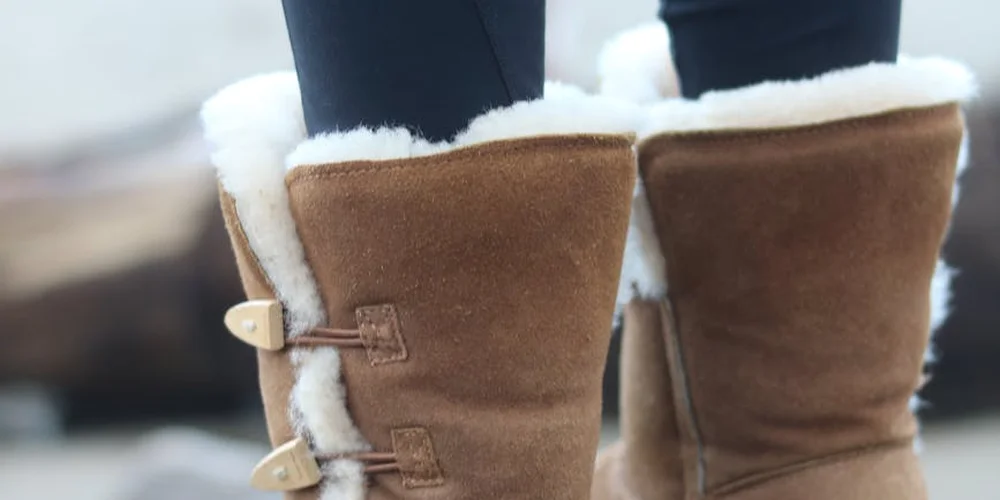
First, let’s picture what a flattened nap is. That beautiful, fuzzy texture on suede is called the nap. With daily wear, the nap gets pressed down. It starts to look shiny in spots and feels smooth, almost like a matted carpet or a piece of felt. This happens naturally from your hands, from resting your arm on a table, or even from a cleaning that left the fibers a bit matted together. It’s not ruined, it’s just tired.
Restoring that soft, velvety feel is simpler than you might think, and it works the same for a thin watch band or a large suede jacket.
Method 1: The Power of a Good Brush
This is your first and most important step. You need a proper suede brush, one with stiff brass or nylon bristles. A regular clothes brush or a soft shoe brush won’t cut it.
- Hold your item firmly. For a glove, put your hand inside it. For a watch band, lay it flat on a table.
- Brush vigorously in one direction, following the original grain of the suede. You should see the nap begin to stand up almost immediately.
- Switch directions, brushing against the grain. This roughs up the fibers perfectly.
- Finish by brushing gently with the grain again to even everything out.
On my own suede key fob, a few minutes of brushing brings back about 90% of its texture. A common mistake is brushing too gently. You need firm, confident strokes to lift those compressed fibers.
Method 2: A Little Steam for Stubborn Spots
For areas that refuse to lift with brushing alone, steam can work wonders. The moisture relaxes the fibers, making them easier to tease back up.
- Boil water in a kettle or pot and hold the suede item carefully over the rising steam. Keep it moving and maintain a safe distance of at least 6 to 8 inches. You only need the gentle vapor, not a direct blast of hot water.
- Do this for just 15-20 seconds per area.
- Let the suede cool for a minute, then immediately brush the area again while it’s still slightly relaxed from the steam. The nap should lift much easier.
This technique is excellent for flattened seams on a suede cord or the creased elbow of a glove, but always test a small, hidden area first to ensure the color doesn’t react.
Method 3: Nourish with a Suede-Specific Conditioner
Sometimes, the nap is flattened because the leather underneath is dry. After cleaning, a specialized suede or nubuck conditioner can add a tiny amount of moisture back into the material, which plumps up the fibers.
- Choose a spray-on conditioner made specifically for suede.
- Hold the can about 6 inches away and apply a very light, even mist over the surface. You want it damp, not wet.
- Allow it to absorb and dry completely, which may take a few hours.
- Once fully dry, give the entire piece a final, vigorous brushing with your suede brush to restore the texture.
This method is my go-to for reviving an old suede watch band that has become stiff and flat from sweat and sun exposure. The conditioner addresses the dryness, and the brush brings back the feel.
Fixing Tears and Worn Edges: Simple Suede Repairs

You notice a small tear in your favorite suede jacket or a bit of fraying on a cord. Your heart sinks a little. I get it. With June, my calfskin jacket, a small seam started to give way last year. The good news is many small repairs are within your reach. For clean, straight tears, a quality leather glue is your best friend, while stitching provides durable reinforcement for edges and seams. Let’s walk through your options.
First, address the common question: how do you repair tears in suede fabric? The method depends on the damage. For a clean split where the pieces fit back together neatly, adhesive creates an almost invisible mend. If the suede is pulling apart at a stress point or the edge is worn, stitching adds strength that glue alone cannot provide. The same approach works on leather items too—furniture, jackets, and bags. It covers tears, rips, and worn edges.
Mending a Small Tear or Hole
This is your go-to method for a simple, clean tear. The goal is to bond the fibers back together without any glue seeping through to the surface. Patience is key here.
- Clean the area around the tear thoroughly with a dry suede brush or a slightly damp, white cloth. Let it dry completely. Any dirt or grease will prevent a good bond.
- Apply a tiny amount of water-based leather glue to a toothpick or a fine applicator. Carefully run it along the edges of the tear, not on the surface nap. You want just enough to hold.
- Press the sides together firmly for at least 30 seconds. Use a clean, smooth tool like the back of a spoon to apply even pressure. Let it cure for the full time listed on the glue’s instructions, usually a few hours.
- Once fully dry, gently brush the nap over the repair with a suede brush. This helps the repaired fibers blend with the surrounding area. You may need to brush it a few times over the next couple of days as the glue fully sets.
A common mistake is using too much glue. It can soak through, creating a stiff, dark spot. If this happens, don’t panic. Once fully dry, you can gently sand the spot with a very fine grit emery board and brush vigorously to try and raise the nap again.
Reinforcing with Stitching
For a seam that’s opened up or a fraying edge, stitching is the reliable choice. Think of the worn corner on a suede wallet. Hand-sewing with a sturdy needle and thread gives you the most control for delicate repairs, allowing you to feel the resistance of the material. Use a sharp leather needle and a strong, waxed thread. Take small, even stitches, pulling firmly but not so hard you tear the suede.
Now, can you sew suede on a regular sewing machine? It is possible, but with caution. You must use a brand-new leather or denim needle and go very slowly. Suede’s nap can cause drag, leading to uneven stitches or skipped ones. Test on a hidden scrap first. For most home repairs, the control of hand-sewing is safer and often produces a better result.
If a tear is large, complex, or in a highly visible area like the center of a glove’s palm, it might be time for a professional. A good leather or suede specialist can often work miracles with backing patches and precision work that is very hard to achieve at home. There’s no shame in seeking help to preserve a piece you love. For most general leather repairs, you’ll often weigh DIY fixes against professional care to achieve the best results. The right choice depends on the damage, the item, and the desired look.
Protecting Suede from Water and Daily Wear
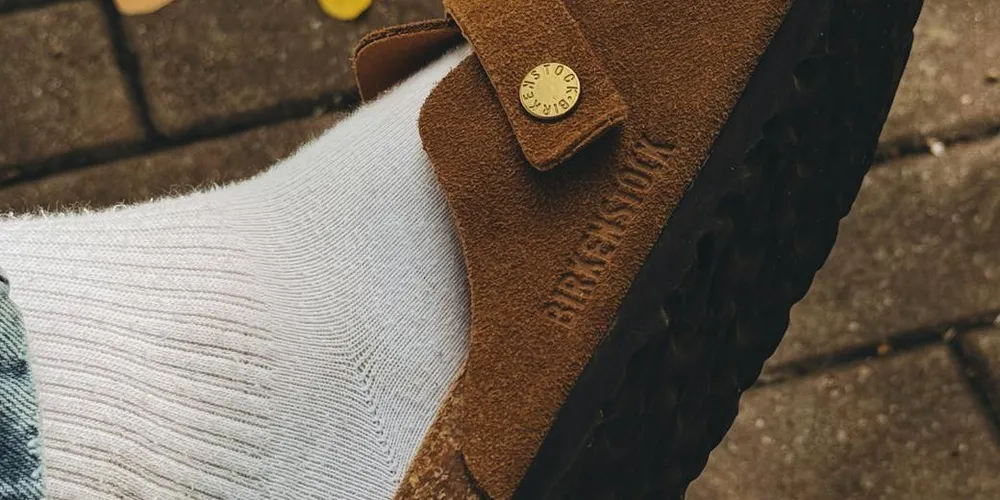
Suede feels delicate for a good reason. Its soft nap is a network of tiny fibers, and that open structure acts like a sponge for water, dirt, and oils. Protecting it isn’t about making it bulletproof. It’s about giving those thirsty fibers a fighting chance against everyday life.
The right protector creates an invisible shield that causes liquids to bead up and roll off, buying you precious time to blot a spill before it soaks in. You must use a formula made specifically for suede and nubuck. Standard leather conditioners or waxes will saturate and mat the nap, leaving a dark, stiff patch.
Applying a Suede Protector Spray
Think of this as a preventative treatment, like applying sunscreen before a day outside. Do this to a clean, dry item in a well-ventilated space, like a garage or with windows wide open.
- Shake the can vigorously for the time stated on the label.
- Hold the can about 6 inches from the suede surface.
- Apply in steady, sweeping motions, slightly overlapping each pass. Aim for a light, even mist. A heavy, soaking spray can discolor the suede.
- Let the item dry completely, away from direct heat. This usually takes a few hours.
For a watch band or suede cord, I lay it flat on a piece of cardboard and rotate it to coat all sides evenly. For gloves, I spray them while wearing them or over a form to get between the fingers.
How Do You Waterproof Suede Fabric?
Waterproofing is about consistent, complete coverage and regular upkeep. One treatment is not a lifetime guarantee; re-apply the protector every few months or immediately after a thorough cleaning. That same approach works for suede boots, shoes, and jackets—waterproofing helps protect them from rain stains. For an even application on tricky items like a suede jacket, I hang it up and methodically work from the shoulders down, ensuring I cover seams and the underside of collars.
Always test the protector on a small, hidden area first, like an inside seam. This lets you check for any color change before committing the whole piece.
Smart Storage is Ongoing Care
How you put suede away is just as important as how you treat it when wearing it. Humidity is the enemy.
- Store suede in a breathable cotton or canvas bag. Never use plastic, which traps moisture and can promote mold.
- Keep it in a cool, dry place away from damp walls or floors.
- To prevent deep, permanent creases, stuff suede gloves, bags, or boots with acid-free tissue paper. This helps them hold their shape without stress on the material.
I keep my summer suede gloves stored this way, and they come out each fall looking just as soft as when I put them away.
Your Simple Daily Habit
The single best thing you can do for suede is to brush it. Use a dedicated suede brush or a clean, dry soft-bristled toothbrush. A quick, gentle brush after each wear lifts the nap, shakes out dust, and helps prevent dirt from getting ground in. It keeps the surface looking velvety and alive. For minor scuffs on a suede boots and shoes or a bag, brushing is often all you need to make them disappear.
It’s a small act of care, like brushing off my old saddle, Mason, after a ride. That regular attention stops small problems from becoming big ones.
Common Questions
Can I use a suede conditioner on any suede item?
Use a spray-on suede conditioner only for dry, stiff items like watch bands or older accessories. Always test it on a hidden seam first to ensure it doesn’t darken the color.
How do I fix a stain that’s left the suede looking matted and dark?
This is often a water mark, not a dirt stain. Let the area dry completely, then brush it vigorously with a suede brush for several days; the nap and color usually even out as the fibers relax.
My suede protector didn’t bead water. Did I apply it wrong?
Most modern suede protectors are designed to be absorbed, not to bead. The protection is there; gently blot spills immediately instead of waiting for beads to form.
How often should I reapply a suede protector spray?
Reapply after any thorough cleaning, or every few months for high-use items like gloves or watch bands. For a jacket worn occasionally, once a season is sufficient.
The edge of my suede cord is fraying. Can I just glue it?
Do not use glue on a frayed end, as it will harden into a blunt tip. Instead, apply a tiny drop of clear-drying fabric fray check to the very tip and smooth the fibers before it dries.
Final Thoughts on Caring for Soft Leathers
The single most important thing is to match your tool to your leather’s texture. Always use a gentle, directional motion with a suede brush or soft cloth. Rushing the process with harsh chemicals or scrubbing is what damages the nap beyond repair.
Caring for your leather well is a form of respect for the material and the craft behind it. Each careful clean and considered repair builds your skill and deepens the patina that tells the story of your gear.
Sources and Additional Information
- How to Clean Suede Shoes and Bags | Reviews by Wirecutter
- Leathers & Suede Cleaning – Parkway Custom Dry Cleaning
- Suede Cleaning Services | Leathercareusa.com – LeatherCareUSA
Harriet is a avid collector of leather goods such as purses, bags, seat covers, etc and has an extensive background in leather care, recovery, stain removal and restoration. She has worked for a number of years perfecting her leather care techniques and knows the ins and outs of restoring all kinds and types of leather products. With her first hand knowledge in leather care, you can not go wrong listening to her advice.
Suede and Nubuck Care