How Do You Clean a Leather Couch the Right Way?
Published on: January 9, 2026 | Last Updated: January 9, 2026
Written By: Harriet Nicholson
Hello Tannery Talk. You love your leather sofa, but maybe a spill or just everyday grime has you worried about cleaning it without causing harm.
This guide walks you through a craft-focused approach. We will cover understanding your sofa’s leather type, the safest step-by-step cleaning methods for any mess, and how to sanitize without damaging the hide.
My advice comes from years of hands-on work conditioning and repairing all kinds of leather, from sturdy saddles to supple jackets.
First, Know What Kind of Leather You’re Cleaning
Cleaning your sofa right starts with knowing what it’s made of. Think of leather types like wood.
Aniline leather is like a beautiful, unfinished oak table. It shows the natural grain and markings, feels incredibly soft, and develops a rich patina. Because it’s unprotected, it soaks up liquids and stains very easily. My jacket June is a lot like this.
Pigmented or protected leather is like that same table with a clear, protective coat of varnish. It has a consistent color and a slight synthetic finish on top. This layer makes it very resistant to stains and spills, which is why it’s so common on family furniture.
Suede and nubuck are the velvety exceptions. They’re brushed and fuzzy. Water can spot them, and they need completely different, gentle care.
How to Tell What You Have
First, check for a manufacturer’s tag. It often has cleaning codes like “W” for water-based cleaners or “S” for solvent-based.
If there’s no tag, do the water drop test. Pick a small, hidden spot (like the back or under a cushion). Place a single drop of water on the surface.
- If the water soaks in and darkens the leather quickly, you likely have an aniline or semi-aniline leather.
- If the water beads up and sits on the surface, you have a pigmented, protected finish.
Using a cleaner meant for a protected leather on an aniline one can leave a ugly, cloudy residue, while using an aniline cleaner on a protected piece might not work at all. This simple test saves heartache.
A piece made from responsibly sourced, well-tanned leather is your best starting point for durability. That quality foundation means it can handle proper care for decades.
The Gentle, Weekly Wipe-Down: Your First Line of Defense
Most grime isn’t a deep stain, it’s just dust and skin oils sitting on top. A five-minute weekly habit keeps your sofa looking fresh and prevents the need for harsh, deep cleans later.
Your Simple 5-Minute Routine
Start by vacuuming. Use the soft brush attachment on your vacuum cleaner. Gently go over every cushion, into the creases, and along the back and sides. This lifts away abrasive grit and crumbs that can grind into the leather over time, just like dirt in the folds of a saddle.
Next, take a soft, lint-free microfiber cloth. A dry one is perfect for a simple dusting. Wipe in gentle, overlapping circles to gather any remaining surface dust.
Answering “Can I clean it without a special product?”
For a slightly deeper clean, dampen a second microfiber cloth with cool, distilled water. Wring it out completely. It should feel barely damp, not wet.
Wipe a small section at a time using the same gentle circular motion, then immediately dry it with the dry microfiber cloth. This “damp wipe” method lifts light soils and body oils without soaking the leather or risking residue from soaps. Let the sofa air dry fully before sitting on it.
This routine is what keeps my old saddle Mason from getting a buildup of ground-in dirt. It’s simple, but it’s the most effective thing you can do regularly.
How to Deep Clean Your Leather Sofa at Home, Step-by-Step
Think of this like a check-up for your sofa. We want to remove the day-to-day grime and give the leather a chance to breathe. A good deep clean makes the next step-conditioning-work even better.
Gather your tools first. You will need a soft-bristled brush (a clean horsehair brush is perfect), several soft, white microfiber cloths, a vacuum with an upholstery attachment, and your chosen leather cleaner. A small bowl of distilled water is also helpful. Later, we’ll explore the best products and methods for cleaning leather to help you choose safe options. This prep sets you up for a gentle, thorough clean.
Your Action Plan for a Thorough Clean
- Vacuum First. Use the soft brush attachment on your vacuum to go over every inch of the sofa. This lifts dust, crumbs, and pet hair from the grain and creases. If you skip this, you’ll just rub these particles into the leather during cleaning.
- The Hidden Spot Test. Pick an inconspicuous area, like the back or underneath a cushion. Dampen a corner of a microfiber cloth with your cleaner and gently rub a two-inch circle. Wait for it to dry completely. You are checking for color transfer to the cloth or any change in the leather’s texture or color. This two-minute test can save you from a major headache.
- Clean in Sections. Work on one cushion or one seat area at a time. Lightly dampen a microfiber cloth with your cleaner-never pour it directly onto the leather. Wipe in smooth, overlapping circles, following the natural grain of the leather. You should see dirt lifting onto the cloth.
- Use Your Brush for Creases. For ingrained dirt in seams and creases, use your dry, soft brush first to loosen it. Then use a cleaner-dampened cloth over the brush tip to work the area gently.
- Rinse the Surface (Optional but Recommended). This is a pro step many miss. After cleaning a section, take a second microfiber cloth dampened with only distilled water. Wipe over the area to remove any cleaner residue. This prevents a sticky film that can attract more dirt later.
Choosing and Using Your Cleaner
Not all cleaners are the same. For your fine furniture, a pH-balanced leather cleaner is your safest bet. Leather has a natural pH, and a balanced cleaner won’t strip its essential oils. It cleans effectively without being harsh, which is why neutral cleaners are recommended.
A common question I get is, “Can I use my car leather cleaner on my couch?” The short answer is often yes, but you must be cautious. Car leather cleaners can work, but they sometimes contain silicones or heavy gloss additives meant for automotive finishes. These can leave your living room sofa feeling strangely slick or shiny.
Think of it like using dish soap on your skin. It will clean, but it will also dry everything out terribly. You wouldn’t do that to your hands, so why do it to your leather?
The Non-Negiable Waiting Game: Drying
This is the most critical part. You must let the leather dry fully before you even think about applying a conditioner. Patience here prevents a cloudy, blotchy finish.
Do not use a hair dryer, space heater, or place the sofa in direct sun. Artificial or intense heat can bake and crack the leather. Instead, let it air dry at normal room temperature. Open a window for a gentle breeze if you can. This can take a few hours. The leather should feel cool and completely dry to the touch.
I learned this with my own leather jacket, June. I once got impatient after cleaning a spot and conditioned it while it was still slightly damp. The oil didn’t absorb evenly, and that spot stayed darker for weeks until I could re-clean it. That same patience also helps when grease shows up on leather furniture, jackets, or other accessories. Let nature do its work. Your sofa will thank you.
Sanitizing and Disinfecting Leather Furniture Safely
You need to know the difference between cleaning and sanitizing. Cleaning removes dirt and grime you can see. Sanitizing reduces germs you cannot see. Think of my old saddle, Mason. Wiping him down with a damp cloth cleans off dust. Using a specific product to address germs is sanitizing. You should always clean first.
Sanitizing leather requires a gentle touch, as strong chemicals can strip away its natural oils and damage the finish.
Choosing a Leather-Safe Sanitizer
Household cleaners are often a leather sofa’s worst enemy. Bleach, ammonia, and all-purpose sprays like Windex are too aggressive. They will dry out the leather and crack its surface over time.
A much safer option is a solution of 70% isopropyl alcohol and distilled water. The alcohol evaporates quickly, which minimizes moisture damage. You must dilute it. A good ratio is one part alcohol to one part water. Pour it into a small spray bottle for control.
Test any new solution, even this gentle one, on a hidden area like the back or underside of a cushion. Spray it, wipe it, and check in an hour for discoloration or stiffness.
How to Disinfect Your Leather Sofa
This is a focused, occasional task, not part of your weekly cleaning. Do this only when you need to address germs specifically.
- Open windows for ventilation. The alcohol smell will dissipate quickly, but fresh air is best.
- Clean the leather first with a soft, dry cloth or a cloth barely dampened with water to remove surface dust.
- Lightly mist your diluted alcohol solution onto a clean, white microfiber cloth. Do not spray it directly onto the leather.
- Wipe the surface using smooth, even strokes. Work on one small section at a time, like a single cushion.
- Allow the leather to air dry completely. Do not use heat.
- Once dry, follow up with a light application of a leather conditioner. The alcohol can be drying, so replenishing moisture is key.
This cautious method helps reduce germs without sacrificing the health of your furniture’s leather.
Removing Odors from Leather Furniture
Leather can hold onto smells like smoke or pet odors. Do not try to mask them with perfumed sprays or oils. These can leave a sticky residue and create a worse, mixed scent.
For mild odors, try baking soda. It is a natural deodorizer.
- Lightly sprinkle baking soda over the entire surface of your sofa or chair.
- Let it sit for several hours, or overnight if you can.
- Thoroughly vacuum it away with a soft brush attachment.
For persistent smells, look for a leather deodorizer made for upholstery. These products are designed to neutralize odors at their source without harming the leather’s finish. Apply them according to the product’s instructions, always in a well-ventilated space.
Patience is your best tool here; gentle, repeated applications of a proper deodorizer work better than one heavy dose of a strong scent.
Tackling Common Stains and Spills on the Spot
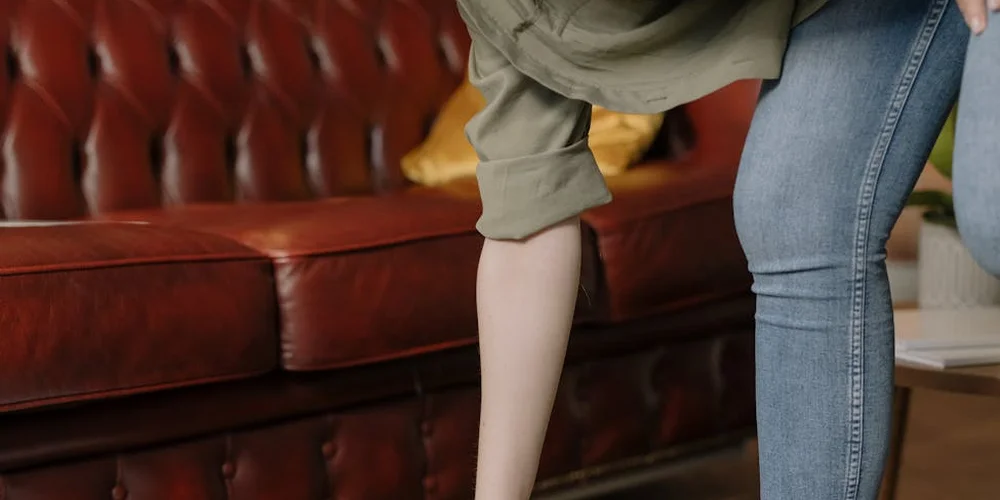
Life happens. Spills are not a sign you’ve failed your sofa, they are a chance to learn its care. Acting fast is your best tool. Your goal is to lift the spill, not grind it in.
Always start with a clean, soft, white cloth and the gentlest method possible. Test any cleaner on a hidden spot first, like the back or under a cushion.
A Quick Stain Guide
Here is a simple guide for four common offenders. Remember: blot, lift, and repeat. Rubbing spreads the problem and can damage the leather’s surface.
- Ink (Ballpoint): Dampen a cotton swab with a small amount of high-proof rubbing alcohol. Dab very gently at the stain. The ink should transfer to the swab. Switch to a clean part of the swab often. Follow immediately with a leather cleaner to remove any alcohol residue.
- Red Wine: Blot up every last drop you can with a dry cloth. Then, lightly dampen a cloth with cool water and continue blotting. You can follow with a tiny drop of pH-neutral saddle soap on a damp cloth, working in a circular motion. Dry thoroughly. My jacket June got a splash of merlot once; this calm, blotting method kept it from becoming a permanent mark.
- Cooking Oil or Grease: Sprinkle cornstarch or talcum powder over the spot. Let it sit for several hours, even overnight. The powder will absorb the grease. Brush it away gently with a soft brush. Repeat if needed. Avoid using water, as it can set the grease.
- Food Grease (Butter, Sauce): Use a tiny amount of mild dish soap on a damp cloth. Wipe the area gently, then immediately wipe with a cloth dampened with plain water to remove soap residue. Dry completely.
The Simple Fix for Scuffs
For small scuffs and marks on colored, pigmented leather (most sofas), try a clean white pencil eraser. Gently rub the mark. It often lifts the surface transfer away without needing any liquid. This works great on leather shoes and bags, too. That same trick also works for repairing scuffs on leather shoes and boots. More footwear repair tips will follow in the next steps.
Handling Pet Accidents
This requires a two-step approach: cleaning the stain and removing the odor. Urine contains enzymes that, if left, will attract your pet back to the same spot.
First, blot up all the liquid. Then, clean the area with a leather cleaner formulated for upholstery. Once the leather is clean and dry, you must address the stains and smell.
Use an enzymatic cleaner made for pet odors, but apply it carefully. Spray it lightly on a soft cloth first, not directly on the leather. Gently wipe the area. Let it work for the time specified on the bottle, then wipe with a cloth dampened with water. Allow the spot to air dry fully. This breaks down the odor-causing proteins without harsh chemicals that can dry out the leather. That same enzymatic approach can also help with cigarette odors lingering on leather items like furniture, jackets, or bags. For those cases, see the next steps for how to remove pet cigarette odors from leather.
Choosing the Right Leather Sofa Cleaning Products and Kits
You want your sofa to last for years, not just look clean for a week. The right products don’t just clean the surface; they care for the leather underneath. Think of it like skincare for your furniture. Maintaining and conditioning leather couches is crucial for extending their lifespan.
What to Look for in a Cleaner, Conditioner, and Protector
A good leather cleaner is gentle. Your sofa’s finish is delicate, even if the leather itself is tough.
For the cleaner, look for a pH-neutral formula designed for finished furniture leather. Because leather is pH-sensitive, acidic or alkaline cleaners can disrupt the pH-sensitive leather balance and cause irreversible damage over time. Stick to a true pH-balanced option to protect the finish and natural oils. It should lift dirt without stripping the protective topcoat or natural oils. Avoid anything with harsh solvents, strong degreasers, or ammonia. A simple, neutral cleaner is like a gentle face wash-it gets the grime without causing irritation.
Conditioning is where you give life back to the leather. After cleaning, the fibers need moisture.
A quality conditioner will use ingredients like lanolin, beeswax, or natural oils that mimic the leather’s own fats. It should absorb well without leaving a greasy, sticky film. If it feels tacky after drying, it’s likely clogging the leather’s pores. My jacket, June, gets a light conditioning twice a year to keep her calfskin soft and prevent deep creases from cracking.
A protector is your final shield. It buys you time between cleanings.
The best protectors create a breathable barrier against spills and UV light without changing the leather’s handfeel or color. Look for water-based, non-silicone formulas. Silicone can create a plastic-like seal that eventually cracks and prevents the leather from breathing. A light spray protector is like applying sunscreen-it’s a simple step that prevents a lot of long-term damage.
Evaluating a Leather Sofa Cleaning Kit
A complete kit takes the guesswork out. It should have everything you need for a full maintenance session.
Here is what a trustworthy leather sofa cleaning kit contains:
- A dedicated leather cleaner (not an all-purpose upholstery spray).
- A matching leather conditioner.
- Soft, lint-free application cloths or sponges (microfiber is perfect).
- A soft-bristled brush for cleaning textured grains or seams.
Avoid kits that are missing the conditioner or only offer a single “clean-and-protect” product, as these often don’t provide deep nourishment. A good kit recognizes that cleaning and conditioning are two separate, essential steps.
Professional Leather Sofa Cleaning Products vs. DIY Mixes
It’s tempting to mix vinegar and olive oil from your kitchen. I advise against it.
Professional leather sofa cleaning products are formulated for stability and safety. The pH is controlled. The oils are refined to resist rancidity. A DIY mix might seem to work at first, but the acidity in vinegar can degrade finishes over time, and food-based oils can go bad inside your leather, leading to odors and deterioration.
Investing in a few dedicated, high-quality products is cheaper than repairing the damage caused by an unpredictable home mixture. For a piece you love, use tools made for the job.
A Note on Leather Sofa Cleaning Machines
You might see machines advertised for deep cleaning. Be very careful.
Never use a steam cleaner on leather furniture. The intense heat and moisture can cook the hide, weaken glue bonds, and permanently set stains by driving them deeper. It can ruin the finish.
Some professional systems use gentle, dry-vapor technology that cleans with minimal moisture. These can be effective for severe, set-in soiling. For 99% of home maintenance, your hands, a soft cloth, and the right products are the best and safest “machines” you can use. The manual process lets you feel the leather’s response and apply care exactly where it’s needed.
When to Call a Professional Leather Sofa Cleaning Service
I clean and condition my own leather goods every time. But sometimes, you need to call in an expert. Knowing the difference saves your sofa.
Think of it like a deep cut on your skin. You can clean a scrape at home. A bad wound needs a doctor. Leather is the same.
Signs Your Sofa Needs a Pro
Home care works for dust, light soil, and regular moisturizing. Stop and call a professional if you see any of these.
- Deep-Set Stains: These are stains that have been absorbed, not just sitting on top. Ink, permanent marker, red wine, or deep grease spots that your neutral cleaner won’t touch. If you’ve tried a gentle clean twice and it’s still there, it’s set.
- Major Discoloration: This isn’t the gentle, even patina my saddle Mason has. This is severe fading from sun damage, large dark patches from a spilled cleaner, or a strange color change over a whole cushion.
- Widespread Stiffness or Cracking: A little dryness is normal. If the entire seat feels stiff like a board or you see a network of small cracks (alligatoring), the leather fibers are severely dehydrated and breaking. This is urgent.
Attempting aggressive home remedies on these issues often makes the damage permanent.
What a Good Professional Service Does
A true specialist doesn’t just power wash your sofa. They perform a restoration. Here’s what to expect from a good one.
- Inspection & Diagnosis: They will identify the leather type (aniline, protected, suede) and the exact nature of the damage. They should explain this to you clearly.
- Gentle, Deep Cleaning: They use professional-grade, pH-balanced cleaners and tools we don’t have at home. This lifts grime from deep in the pores without stripping natural oils.
- Rehydration & Conditioning: After cleaning, they apply intensive conditioners or replenishers that penetrate to restore flexibility and strength. This step addresses stiffness.
- Color Correction or Re-dyeing: For discoloration or fading, they can carefully match and apply professional leather dyes to restore a uniform color. This is a skilled art.
- Protective Finish: They often apply a final topcoat protector to guard against future spills and UV rays, buying you more time between cleanings.
How to Find “Leather Sofa Cleaning Service Near Me”
Searching online is just the first step. You need to vet them. Here’s how.
First, call and ask specific questions. Their answers tell you everything.
- “What is your process for a heavily soiled aniline leather sofa?” (They should describe steps similar to the list above).
- “Do you use steam cleaners or strong chemical strippers?” (The best answer is usually “no” for fine leathers; these can shrink or damage it).
- “Can you provide references or photos of past work on a similar piece?”
A reputable service will be proud to show you before-and-after photos of real jobs. They might even have a physical shop you can visit. Ask if they offer a guarantee on their work for peace of mind.
A Note on Climate & Local Challenges
Where you live affects your leather and the cleaning it needs. A good local pro knows this.
In a damp, humid climate like Belfast, mold and mildew can be a silent issue. A cleaner must know how to safely treat this without just masking the smell. In a consistently hot and humid place like Singapore, leather can be more prone to dye transfer and sticky finishes; the cleaning method must account for that.
When you talk to a local service, mention your climate. Ask, “Do you see a lot of mold issues here, and how do you handle it?” Their experience with local problems is a huge advantage.
Conditioning and Protecting Your Sofa for the Long Haul

Cleaning your sofa removes dirt. It can also strip away natural oils. Conditioning puts that moisture back.
Think of it like your own skin. After a good wash, your skin feels tight and dry if you skip the moisturizer. Leather feels the same way. Conditioning after every clean is non-negotiable; it keeps the leather fibers flexible and prevents them from drying out and cracking.
How to Condition Your Leather Sofa
The process is simple. You do not need special tools, just a clean, soft cloth and a quality leather conditioner. Look for a pH-balanced product made for furniture.
- Apply a thin, even layer of conditioner to your cloth. Never pour it directly onto the leather.
- Rub it into the leather using gentle, circular motions. Cover the entire surface, paying extra attention to dry or faded areas.
- Let it absorb. This can take 15 minutes to an hour. The leather will drink it in.
- Buff off any excess with a fresh, dry part of your cloth. A slight sheen is fine, but it should not feel greasy or sticky.
My old English saddle, Mason, is proof this works. After eight years of sweat, rain, and sun, its deep chestnut color is richer than ever. The secret was never letting it stay dry after a cleaning. Your sofa deserves the same patience.
The Role of Leather Protectors
After conditioning, you can apply a protector. This is an optional shield. It is not armor.
A good protector creates a barrier. It gives you precious extra minutes to wipe up a spill before it soaks in. It also filters harmful UV rays, which reduces fading from sunlight.
Be honest with yourself about what a protector can do: it resists, but does not make anything “proof.” It will not stop a deep scratch or prevent damage from harsh chemicals. Reapply it every six to twelve months, or as the product label advises, because this barrier wears down with use.
The Reward of Care: Your Unique Patina
The goal is not a sofa that looks factory-new forever. That is impossible. The real goal is a sofa that ages with grace and tells your story.
With regular cleaning and conditioning, each gentle crease and soft fade becomes a mark of character. Like the wear on a favorite pair of jeans, this patina makes the piece uniquely yours. This beautiful evolution, earned over decades of care, is the ultimate reward for treating your leather well.
Quick Answers
How do I find a reputable “leather sofa cleaning service near me”?
First, call and ask about their process for your specific leather type. A true professional will inspect, explain, and show before-and-after photos, never just defaulting to a steam cleaner.
Are “leather sofa cleaning kits” from Bunnings or hardware stores any good?
They can be a decent start if they contain a separate conditioner. Always perform the water drop test and a hidden spot test with the kit’s products first to ensure compatibility.
Should I use a “leather sofa cleaning machine”?
Almost never. Avoid consumer steam cleaners entirely, as heat and excess moisture damage leather. For severe cases, only consider a pro using specialized, moisture-controlled equipment.
What’s a key local consideration for “leather sofa cleaning in Singapore”?
The constant humidity can lead to mold and sticky finishes. Ensure any cleaner or service you use is effective in high moisture and leaves a breathable, non-tacky barrier.
What should I ask a “leather sofa cleaning” service in a place like Belfast?
Directly ask how they treat mold and mildew, common in damp climates. A proper answer involves gentle, dedicated antimicrobial treatments, not just masking scents.
Caring for Your Leather Furniture
The best method is always the gentlest one. Clean spills quickly, use a dedicated leather cleaner or mild soap for general care, and follow up with a conditioner to keep the hide nourished.
Proper care is an act of respect for the material and the craft, transforming maintenance from a chore into a skill that extends your furniture’s life for decades. Your steady, attentive hands are the most important tool in preserving its character and beauty.
Expert Resources and Citations
- r/CleaningTips on Reddit: How do you clean your leather couch?
- The Right Way to Clean a Leather Couch
- How to Clean A Leather Couch & Keep It Looking Its Best | Octane Seating
Harriet is a avid collector of leather goods such as purses, bags, seat covers, etc and has an extensive background in leather care, recovery, stain removal and restoration. She has worked for a number of years perfecting her leather care techniques and knows the ins and outs of restoring all kinds and types of leather products. With her first hand knowledge in leather care, you can not go wrong listening to her advice.
Furniture and Upholstery Care