What’s the Difference Between Suede, Nubuck, Leather, Velvet, and Alcantara?
Published on: January 4, 2026 | Last Updated: January 4, 2026
Written By: Harriet Nicholson
Hello Tannery Talk. You might worry about choosing the wrong cleaner or accidentally damaging a treasured piece. I understand that mix-up completely.
We will cover how each material is made, its unique feel and appearance, best practices for maintenance, and what to consider for ethical sourcing.
My hands have conditioned suede, buffed nubuck, and stitched full-grain leather for years, so I can break down the details you need.
A Quick Touch Test: How Each One Feels
Your fingertips tell you everything. Before you worry about care, just feel the material. Run your hand across it. The sensation under your skin is the first clue to what you’re dealing with.
When I run my hand over a piece of suede, it feels like a soft, brushed nap. It has a direction, like petting a cat from head to tail. Stroke it one way, and it’s smooth. Stroke it the other, and the nap rises, showing a slightly darker color. It’s inherently soft and a bit fuzzy.
Nubuck is suede’s more refined cousin. It feels like the finest sandpaper you can imagine, a velvety smoothness with just a hint of texture. My nubuck boots have a delicate, dry handfeel that’s both elegant and tough. At-home care can keep that finish by cleaning and restoring nubuck’s texture and color. With simple, regular steps, you can maintain that refined look.
Genuine leather, especially full-grain, feels solid. You feel the smooth, tight grain of the hide’s surface. It can be firm or supple, but there’s a substance to it. It might have natural marks, and it often has a slight, pleasant scent. This is the feeling of my wallet, Scout, dependable and smooth.
Velvet is all about plush luxury. It has a dense, uniform pile that yields under your fingers. It feels deeply soft and uniform, very different from the organic variation of leather.
Alcantara feels synthetic and perfectly even. It mimics suede’s softness but with a consistent, almost fuzzy texture that doesn’t change direction. It lacks the organic depth of real animal hide.
This quick test separates the natural, variable textures from the synthetic or fabricated ones immediately.
What is Full Grain Leather? The Durable Original
Full grain leather is the top layer of the hide, untouched. Nothing is sanded off or covered up. You see the hide’s natural grain, including any scars or insect bites it earned during life. This makes every piece unique.
It is the strongest, most durable part of the hide because the dense fiber structure remains intact.
Like my English saddle, Mason, this leather is built to last. Mason’s deep chestnut color has matured into a rich patina over eight years of riding. Scratches and scuffs don’t ruin it; they blend into its character, making it more beautiful. Full grain leather ages with you, it doesn’t just wear out.
You find full grain leather in items made to endure:
- Heavy-duty belts and watch straps.
- Quality bags, briefcases, and backpacks.
- Work boots and heritage footwear.
- Durable furniture and saddlery.
This brings us to a common question: are suede and leather the same? The answer is a definitive no. Full grain leather is the robust outer skin, while suede is made from the softer, inner layer of the hide. They come from the same animal but are as different as the bark of a tree and its inner pulp. Knowing how to distinguish between these materials is especially important when purchasing boots, as many popular brands use genuine leather or suede for different purposes.
Other leather types are modifications of this original. Top-grain leather is sanded to remove imperfections, making it thinner and more uniform. Corrected grain leather has an artificial coating applied to its surface to hide flaws. Full grain has neither of these processes, which is why it commands respect and often a higher price. These distinctions are part of a broader guide to leather grades and quality classifications. Understanding these categories helps you assess value and choose the right leather for your needs.
What is Suede? It’s All About the Underside
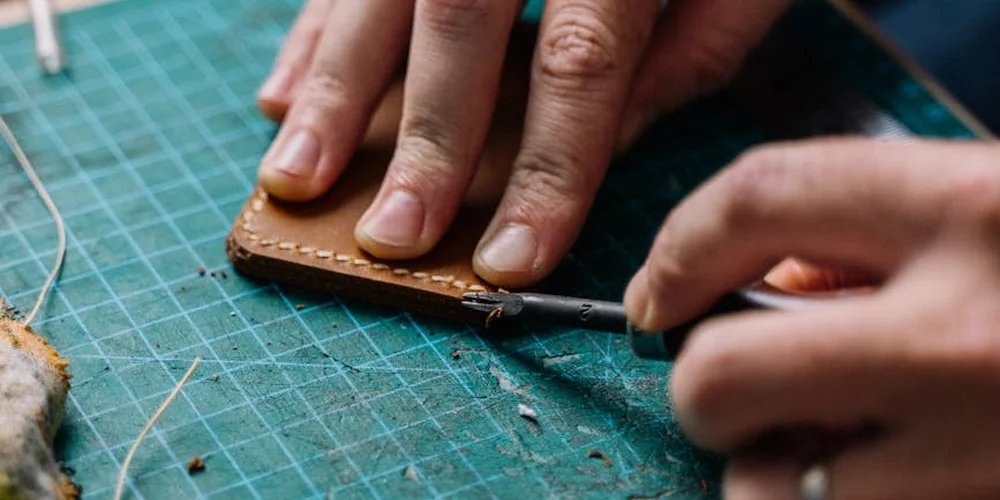
Let’s clear this up first. Suede is not the top of the hide. It is the fuzzy underside of the leather, what we call a split. It’s the layer you find once you split away the top, dense grain.
That’s why it feels so different. Its signature is a soft, brushed texture that feels velvety to the touch. That texture is created by buffing the fibrous underside with an abrasive wheel. Those fine, raised fibers are what give suede its beautiful look and feel, but they are also what make it more delicate.
Suede is more vulnerable because those loose fibers trap dirt, absorb liquids quickly, and can be worn down with rough treatment. You have to be more gentle with it than with a smooth leather.
Are Leather and Suede the Same Thing?
This is a common point of confusion. They come from the same animal hide, but they are different parts of it. Think of it like a loaf of bread. The top crust is the full-grain leather-tough, durable, and smooth. The soft, fluffy inside of the bread is the suede. Same source, completely different structure and use.
So, no, they are not the same. Caring for them requires different approaches. What works for my saddle, Mason, would ruin a suede shoe.
How to Care for Suede
Care is about prevention and gentle cleaning. Here is a simple routine for a suede jacket or shoe.
- Prevent Problems First: Always use a protector spray designed for suede on a new item. This creates a barrier against water and stains. Reapply every few months with heavy use.
- Daily Care is Brushing: Keep a suede brush (a soft-bristled brush or a special suede eraser block) handy. After wearing, gently brush the nap in one direction to lift dirt and restore the texture. This is like giving it a quick tidy-up.
- Tackling Stains and Spills: Act fast. For a dry stain, use the suede eraser. Gently rub. For a wet spill, blot-never rub-with a clean, absorbent cloth. Let it dry completely away from direct heat, then brush the area. For tougher stains, a specialist suede cleaner is your best bet.
The biggest mistake is using traditional leather conditioners or saddle soap on suede; they will saturate and mat the fibers, leaving a permanent dark spot.
Where You’ll Find It
Suede is perfect for items where softness and a luxurious look are the priority. You’ll often see it in:
- Fashion jackets and blazers.
- Delicate shoes, boots, and handbags.
- As a soft lining inside gloves, wallets, or boots for a comfortable feel.
It’s a beautiful material. With the right, gentle care, a suede jacket can last for years, developing a softer hand and a richer, more muted color over time, much like my friend June, the leather jacket. As suede is a staple in current fashion trends, knowing how to care for suede apparel helps keep these trend pieces looking sharp. Proper care can extend their life and preserve the soft patina that makes suede unique.
What is Nubuck? The Tough Cousin with a Velvet Touch
Think of a sturdy oak table. Now imagine sanding its polished surface just enough to feel a soft, velvety texture, but without weakening the solid wood underneath. That’s nubuck.
Nubuck is top-grain leather that has been buffed or sanded on its outer, grain side. This creates a short, fine, and uniform nap. It feels plush to the touch but hides a resilient heart. It’s built from the strongest part of the hide.
Are Nubuck and Suede the Same?
No. This is the most common mix-up. While both have a nap, they start from opposite sides of the hide.
- Suede is made from the soft, flesh side split from the underside of the hide.
- Nubuck starts with the tough top layer, the same one used for premium full-grain leather, and is then gently abraded.
This means nubuck is far more durable and structured than suede. It resists stretching and holds its shape better, but it offers that similar, desirable softness. The confusion in searches like suede vs nubuck Timberland or suede vs nubuck Birkenstock makes perfect sense. They look similar, but their care needs are different.
The Feel and Where You’ll Find It
Running your hand over nubuck feels like brushing the finest velvet, but with a substantial, sturdy backing. It has a softer aesthetic than smooth leather but doesn’t feel fragile. You find this balance in items built for style and some abuse.
Classic Timberland boot uppers, many Birkenstock sandal straps, and certain Sperry boat shoe styles use nubuck for this reason. It gives a relaxed, matte look but can handle getting scuffed on a trail or splashed at the dock better than suede could.
Caring for Nubuck: A Gentle Touch
Because that nap is on the surface, it traps dirt and shows water spots easily. You must treat it gently.
- Keep it dry. If it gets wet, blot with a towel and let it air dry away from heat. Never rub.
- Brush it often. Use a dedicated nubuck or suede brush with soft brass or synthetic bristles. Brush in one direction to lift the nap and erase light scuffs.
- Clean with care. Use a specialized, water-based nubuck cleaner. Apply it with a soft cloth, don’t soak the leather, and let it dry completely before brushing.
Avoid waxes, oils, or conditioners made for smooth leather; they will clog the nap and create dark, sticky patches. For protection, a light spray of a nubuck-specific protector is your best bet. Test it on a small, hidden area first.
| Trait | Suede | Nubuck |
|---|---|---|
| Source & Nap | Split from the underside of the hide. Long, loose, fuzzy nap. | Top-grain sanded on the outer surface. Short, dense, velvety nap. |
| Feel & Look | Soft, matte, clearly textured. | Supple, smooth to the touch with a slight sheen. |
| Durability | Less resistant to abrasion and scuffs. | More resistant to abrasion and daily wear. |
| Stain & Water | Stains easily, water marks are common. | More resilient, but still vulnerable to spills. |
| Care Difficulty | Higher maintenance, specialized tools needed. | Easier to maintain with general leather care. |
Nap Length and Texture: The Feel Test
Run your fingers across the surface. Suede has a longer, looser nap. It feels fuzzy, like a peach skin. Nubuck’s nap is much shorter and finer. It feels like velvet or very, very soft sandpaper. This difference changes everything about care.
For suede, you fight to keep that nap upright and clean, while for nubuck, you work to preserve its smooth, dense surface.
Stain Resistance and Water Tolerance
Suede is notoriously thirsty. A water droplet soaks in fast, leaving a dark ring. Oil and grease stains are often permanent. Nubuck handles moisture better. A quick spill might bead up, giving you a moment to blot it.
Still, never let either material get soaked. For protection, use a spray protector made specifically for suede or nubuck. Test it on a hidden spot first. Apply two light coats, letting it dry completely between each.
Overall Toughness and Daily Wear
Think of nubuck as a tough canvas jacket. It’s made from the strong top layer and can handle a knock or a scrape. My jacket, June, is nubuck. After six years, it has light creasing but no major scuffs. Suede is more like a soft wool sweater. It’s comfortable and beautiful, but it snags and shows wear faster.
Nubuck is the more durable choice for items like boots or bags that see daily use, while suede often suits jackets or dress shoes for occasional wear.
How to Clean and Care for Each
Your cleaning kit depends on the material.
For suede:
- Use a suede brush (brass or synthetic) to gently lift dirt and restore the nap after every few wears. Brush in one direction.
- For stains, use a suede eraser (a stiff, rubbery block) first. Rub gently on dry stains.
- For deeper cleaning, a specialized suede shampoo is necessary. Apply with a soft cloth, never saturate the leather.
For nubuck:
- A soft bristle brush (like a horsehair brush) is your main tool. Use it regularly to remove surface dust.
- For scuffs or stains, a nubuck eraser (often a softer, gray block) can be effective.
- You can occasionally use a tiny amount of neutral leather cleaner on a damp cloth for spots. Always let it dry fully, then brush the nap.
A common mistake is using the wrong brush. A stiff suede brush on nubuck can damage the short nap and create bare spots.
A Simple Rule of Thumb for Identification
If you can’t tell, do this. Look at the edge of the material. If you see a fuzzy, fabric-like edge, it’s likely suede. If the edge looks smooth and layered like traditional leather, it’s probably nubuck. When in doubt, the velvety feel of nubuck versus the fuzzy feel of suede is the most reliable test.
Is Velvet a Type of Leather? (And Why It Gets Confused)
Velvet is not leather. I’ll say that again for clarity. Velvet is a woven textile, a fabric. It is traditionally made from silk, cotton, or synthetic fibers like polyester.
The confusion makes sense. From a few feet away, a plush velvet armchair and a suede one can look similar. They both have that soft, inviting texture that catches the light. Run your hand over velvet, and it feels luxuriously dense and smooth in one direction. It’s a beautiful fabric, but it’s fundamentally different from animal hide.
Why Velvet Feels Like “Fabric Suede”
Think of it like this. Velvet is built from thousands of tiny loops of thread that are then cut, creating that uniform, plush pile. Suede and nubuck are created by buffing the surface of a tanned animal skin. The result can feel similar-soft, fuzzy, and tactile-but the origins are worlds apart. One comes from a loom, the other from a tannery.
This mix-up happens most often with furniture and fashion accessories. I’ve had clients bring me a velvet handbag, worried about conditioning it. The first thing I do is gently brush the nap with my finger. That immediate, unmistakable feel of woven threads confirms it’s a fabric project, not a leather one.
Are Suede and Velvet the Same Thing?
No. This is a firm no. Here is the simple, material-origin difference:
- Suede is a type of leather. It is the fibrous underside of a hide, raised by sanding.
- Velvet is a type of cloth. It is created by weaving threads together on a loom.
They may serve similar aesthetic purposes, but they are as different as my old saddle, Mason (made from hide), and a cotton saddle blanket (made from fabric). Caring for one incorrectly can ruin it.
Caring for Velvet vs. Caring for Leather
This is where knowing the difference matters most. Using the wrong product can cause permanent damage.
For a spill on velvet:
- Blot immediately with a clean, dry, absorbent cloth. Do not rub.
- Check the manufacturer’s tag for cleaning codes.
- Use a cleaner made for upholstery or delicate fabrics. Test it on a hidden seam first.
- Often, gentle steaming and brushing with a soft clothes brush is all you need to revive the pile.
For a spill on suede or nubuck:
- Blot immediately with a clean, dry cloth.
- Let the area dry completely away from direct heat.
- Use a specialist suede eraser or a gentle suede brush to lift any stain residue and restore the nap.
- Conditioning is different too. Suede needs specific, light products that won’t mat the fibers.
Putting a rich leather conditioner on velvet will likely leave a greasy, staining spot that attracts more dirt, while using a fabric cleaner on suede could strip its natural oils and dry it out. When in doubt, identify the material first. Your care routine depends on it.
What is Alcantara? The High-Tech Pretender
Alcantara is not leather. It is a branded synthetic microfiber material engineered to mimic the look and feel of suede. Think of it as a precision-made copy of suede’s soft, napped surface, but built from plastic threads instead of animal hide. I’ve felt it in showrooms, and from afar, it can trick the eye. But run your fingers across it. The texture is uniform, missing the subtle variations of real suede’s grain.
Its Advantages: Why People Pick Alcantara
Alcantara has clear benefits for certain uses. You get perfect consistency in color and texture, which is rare in natural materials like the suede on my old boots. This makes it popular in manufacturing. It often resists stains better than untreated suede. And because it contains no animal products, it is a vegan choice. For a sleek, modern look that stays the same, it works well.
- Uniform appearance: Every piece looks identical.
- Stain resistance: Spills often bead up on the surface.
- Vegan material: No animal hide is used.
Its Limitations: What Alcantara Lacks
This material does not behave like leather. Alcantara does not age and develop a patina; it won’t tell a story like the deep creases in my jacket June. From a scientific view, leather aging and cracking happen as moisture, heat, and wear break down the material, and researchers seek ways to combat that. Since it is a plastic-based product, it does not breathe like leather. Over many years, it might fade, show shiny spots, or pill with friction instead of softening. It is durable, but in a static, synthetic way.
- No natural aging: It stays looking new or wears out, but never gains character.
- Plastic composition: It can feel less breathable and more prone to heat damage.
Where You’ll Encounter Alcantara
You will most often find Alcantara in high-tech or design-focused items. Automotive interiors use it extensively for seat inserts, steering wheels, and dashboards because it is grippy and easy to clean. It is also common in premium headphones, gaming chair accents, and some fashion bags or shoes. It is chosen for its performance and predictable look.
How to Care for Alcantara: A Practical Guide
Caring for Alcantara is similar to caring for suede or nubuck, but with one big rule. You must use cleaners made for synthetic microfibers, not traditional leather products. Using the wrong cleaner can ruin the surface. Here is a safe, step-by-step routine for cleaning.
- Brush the surface lightly with a soft, dry bristle brush to lift dust and loose dirt.
- Test any cleaner on a small, hidden area first and wait to see if it discolors.
- Apply a small amount of pH-balanced cleaner for synthetic materials to a clean, white microfiber cloth.
- Gently blot the stained area. Do not rub or scrub, as this can fray the fibers.
- Let it air dry completely at room temperature, away from heaters or direct sun.
A common mistake is treating it like leather. Never use leather conditioners or oils on Alcantara; they will sit on top and attract more grime. For simple fixes, a slightly damp cloth with water can sometimes handle fresh spills. If the material feels stiff, there is no conditioning it back. That is the trade-off for its consistency.
Durability Showdown: Which Material is Toughest?
Let’s talk about toughness. When people search for “suede vs nubuck vs leather,” what they really want to know is, “What can survive my life?” From a care perspective, the durability hierarchy is clear.
Full grain leather, like my saddle Mason, is the undisputed champion for hard use. It’s the original hide with the toughest, outermost layer intact. Think of it like a calloused hand it’s built to take friction and abrasion. Scratches and scuffs blend into a patina, telling the story of its use without weakening its structure.
Nubuck is next. It’s full grain leather that’s been lightly sanded on the surface to create a velvety feel. This process makes it more susceptible to marks and stains than its smooth sibling. It has the same strong core, but the nap attracts dirt and can be easily scuffed if you’re not gentle.
Suede sits at the bottom of the leather durability list for daily wear. It’s made from the inner split of the hide, which is softer and more fibrous. This gives it that beautiful, plush feel but less resistance. Imagine the difference between the rugged outside of a canvas tent (full grain) and the soft lining inside (suede).
The Fabric Contenders: A Different Game
Alcantara and velvet play by fabric rules, not leather rules. Comparing them directly to leather is like comparing a raincoat to a wool sweater different tools for different jobs.
Alcantara is a high-tech microfiber material designed to mimic suede. It’s often more stain-resistant than real suede and can be easier to clean with specific products. Velvet is a woven fabric, typically silk, cotton, or synthetic. Its pile is delicate and can crush or “bruise” permanently under pressure.
For care, you must treat Alcantara and velvet as the specialty fabrics they are, using cleaners and brushes made specifically for their construction. Using a leather conditioner on them would be ineffective at best and damaging at worst.
It’s All About the Job You Give It
Durability isn’t just about the material it’s about the match. A suede jacket like June is a perfect choice. It faces limited abrasion and gets to show off its texture. A suede work boot, constantly scuffed against rocks and tools, would be a heartbreaking mistake.
Here’s a simple way to match the material to the task:
- High-Abrasion Items (Boots, Belts, Saddles): Full grain leather is your only logical choice.
- Fashion Items with Moderate Wear (Jackets, Handbags, Nice Shoes): Full grain, nubuck, and suede can all work if you commit to their care routines.
- Delicate or Decorative Items (Cushions, Accents, Formal Wear): Suede, velvet, or Alcantara can shine here, away from harsh treatment.
Answering the Real Question
So, for that search query “suede vs nubuck vs leather,” the practical answer is this: If you want low-maintenance toughness, choose full grain leather. If you love a textured look and are willing to baby it a bit, nubuck is more durable than suede. Suede requires the most vigilance.
The best material is the one whose care you will actually perform. A full grain leather boot you never clean or condition will fail faster than a suede shoe you diligently protect with a spray. Your habit determines the real-world durability. Pick the material that fits both your style and your willingness to care for it.
Your Care Quick Reference: A Simple Guide for Each
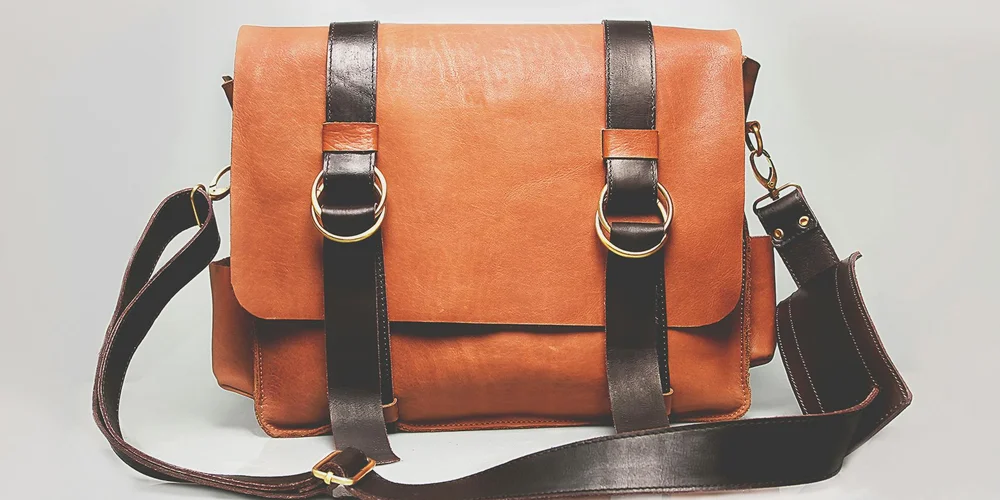
Think of this as your go to cheat sheet. Each material has its own personality and needs a slightly different touch. I keep these basics in mind for everything from Mason my saddle to Scout my wallet.
Leather
This is your classic, smooth finished leather like on a belt or bag. It builds character over time. The care is straightforward but consistent.
- Clean with a soft, damp cloth. Wipe in the direction of the grain to lift dirt. For my jacket June, I do this every few weeks.
- Condition every three to six months. Use a neutral, pH balanced leather conditioner. Apply a thin coat with your fingers, let it soak in, then buff gently.
- Protect from prolonged wetness and direct heat. If it gets soaked, blot dry and let it air dry naturally. Never use a hair dryer.
Regular conditioning replaces natural oils and keeps the leather from drying out and cracking. A common hiccup is using too much product, which can darken the leather. Start with a little. You can always add more.
Suede and Nubuck
These are the soft, brushed leathers. Suede is made from the underside of the hide, nubuck is buffed on the top. Both have a delicate nap that shows every mark.
- Brush regularly with a suede brush. Before you wear it, give it a light brush in one direction to lift the fibers and erase light scuffs.
- Use specialized suede erasers and cleaners for spots. For a fresh oil stain, gently dab with a clean cloth, then use an eraser.
- Apply a protector spray made for napped leathers. One light, even coat can help shield against rain and dirt. Let it dry completely.
Brushing is the simplest way to revive the texture and color of suede or nubuck. If you get a water stain, resist the urge to rub it. Let the spot dry fully, then brush it vigorously. The nap usually pops back up.
Velvet
Velvet is a plush fabric, not leather. Its care is all about preserving that luxurious, dense pile. Always check the tag first.
- Follow the fabric care labels. Many velvets are dry clean only to maintain their shape and sheen.
- Gentle vacuuming with an upholstery attachment removes surface dust. Use a light touch to avoid crushing the pile.
- For major spills or stains, go straight to professional cleaning. Home remedies often set stains or damage the fibers permanently.
Vacuuming gently once a week prevents dirt from settling deep into the velvet. Never scrub a stain, as it can leave a permanent flat spot on the fabric.
Alcantara
Alcantara is a high tech synthetic that feels like suede. It’s common in car interiors and some accessories. It’s tough but needs gentle cleaning.
- Use a clean, white microfiber cloth. Dampen it with water or a very mild detergent solution (like a drop of dish soap in a cup of water).
- Wipe the surface gently in a circular motion. For sticky spots, a bit more pressure with the damp cloth usually works.
- Follow the manufacturer’s advice above all else. Different blends might have specific do’s and don’ts.
Always test your cleaning method on a small, hidden area first to check for colorfastness. Unlike real leather, Alcantara doesn’t need conditioning. Over cleaning can wear down its textured surface over time.
Common Questions
My Timberland-style boots are labeled ‘nubuck’. Should I care for them like suede?
No. Use a soft-bristled nubuck brush and a water-based nubuck cleaner. Never use waxes or oils meant for smooth leather, as they will clog the nap and create dark patches.
I want a low-maintenance casual shoe. Is nubuck or suede better?
Nubuck is more durable and handles minor moisture better. For sneakers or casual shoes you’ll wear often, nubuck is the more resilient choice, though both require regular brushing.
How do I revive the color on my suede or nubuck sandals after they get dusty?
Use a dedicated suede/nubuck brush. Brush firmly in one direction to lift the nap and erase surface dust, which will immediately restore the original color and texture.
What’s the most common mistake people make when trying to ‘condition’ suede or nubuck?
Applying traditional leather conditioners or oils. These products will saturate and mat the delicate fibers, leaving a permanent, darkened stain that cannot be fully removed, even after attempts to clean it.
I see ‘roughout’ leather mentioned. Is that just another name for suede?
No. Roughout is full-grain leather turned inside out, so the tough, flesh side faces out. It’s far more durable than suede, which is a split from the softer inner layers, and requires different care.
Choosing and Caring for Your Material
The most important advice is this: know what you’re holding. Your care routine depends entirely on identifying the material, its finish, and its intended use. Treat a nubuck like velvet, and you’ll ruin its nap; clean suede with a standard leather conditioner, and you’ll likely stain it.
Good leather, cared for with intention, develops a beautiful character over decades. Building a relationship with your leather goods through proper, material-specific maintenance is the most sustainable choice you can make. It honors the craft and the material itself, allowing it to develop a unique patina over time.
Sources and Additional Information
- Suede vs. Nubuck vs. Leather Shoes – Samuel Hubbard
- Nubuck vs Suede Leather: Key Differences & How to Choose | BuyLeatherOnline
- Nubuck vs Suede – What’s the Difference?
Harriet is a avid collector of leather goods such as purses, bags, seat covers, etc and has an extensive background in leather care, recovery, stain removal and restoration. She has worked for a number of years perfecting her leather care techniques and knows the ins and outs of restoring all kinds and types of leather products. With her first hand knowledge in leather care, you can not go wrong listening to her advice.
Suede and Nubuck Care