How Do I Clean and Maintain Suede Shoes, Boots, Sneakers, Bags, and Hats for Brands Like Nike, Adidas, UGG, and Timberland?
Published on: December 26, 2025 | Last Updated: December 26, 2025
Written By: Harriet Nicholson
Hello Tannery Talk, seeing a scuff on your suede sneakers or a stain on your favorite UGG boots can make your heart sink. I get it, and I’m here to help.
We will cover what suede really is and why it needs special care, how to safely clean common stains and dirt, and the simple maintenance routines that protect your investment in brands like Nike, Adidas, UGG, and Timberland.
With years spent hands-on conditioning leather like my old saddle Mason and repairing daily wears like my jacket June, my advice comes from the workbench, not just a textbook.
What Makes Suede So Special (and So Sensitive)?
Think of suede as the inside of a leather hide. While smooth leather uses the tough outer grain, suede is made from the soft, fibrous underside that’s been buffed to create a velvety surface. If my leather jacket June is like a crisp cotton shirt, suede feels like your favorite soft, worn-in flannel.
That beautiful, fuzzy nap is what gives suede its character, but it’s also what makes it so vulnerable. Each tiny fiber can trap dirt, oil, and moisture, leading to dark stains and a matted, flat appearance. A splash from a puddle doesn’t bead up like it does on polished Timberland boots, it soaks right in.
Because this material comes from the inner layer, I always think about where it starts. I advocate for brands that are transparent about their sourcing. Knowing your suede comes from a responsible supplier is the first, best step in care.
The goal of suede maintenance isn’t to make it bulletproof, it’s to preserve that delicate handfeel and rich color. You work with its nature, not against it.
Building Your Suede Care Kit: The Few Tools You Need
You don’t need a workshop full of potions. For cleaning Nike suede sneakers, an UGG boot, or a designer bag, these four tools handle almost everything.
- A Suede Brush: This has brass or synthetic bristles. It’s not for scrubbing. You use it to lift the nap and brush out dry, surface dirt. Gentle strokes are key.
- A Suede Eraser: This is a firm, rubbery block. It’s your first line of defense against scuffs, salt marks, or light oil stains. You rub it gently on the mark.
- A Soft, Clean Microfiber Cloth: This is for dusting and for any light damp cleaning. Never use a rough towel.
- A Quality Suede Protector Spray: This is your shield. A good spray forms an invisible barrier against water and oil-based stains. Not all sprays are equal, look for ones designed specifically for nubuck or suede.
Leave the household cleaners in the cabinet. Soap, vinegar, or all-purpose cleaners can strip suede’s natural oils, set stains, or leave a discoloring residue. These specialized tools are gentle by design.
This simple kit is universal. The technique for reviving the nap on a suede hat is the same as for cleaning mud from your Timberland Euro Hikers. You just adjust the pressure and area you’re working on.
The First Rule of Suede: How to Dry and Brush Anything Correctly
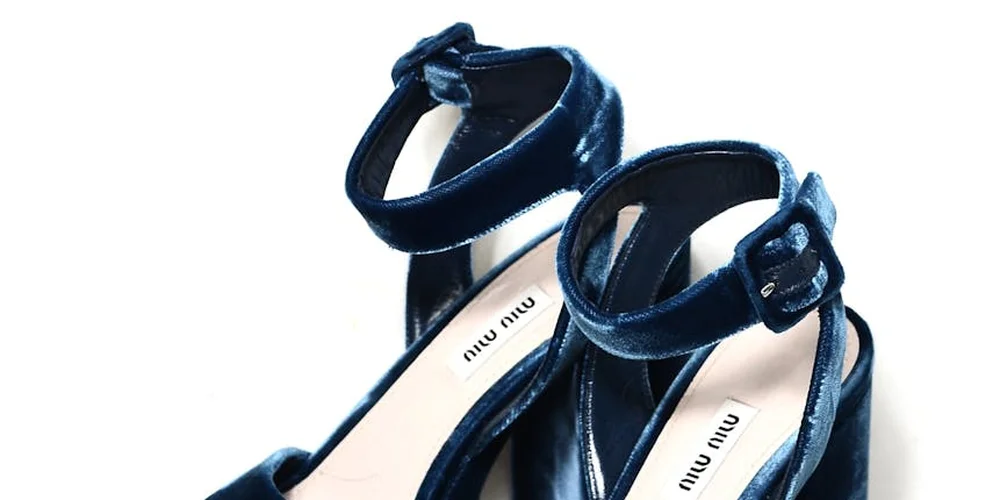
Suade feels soft and looks rich, but water can make it look tired and flat. Do not worry. With the right first steps, you can bring it back to life every time.
I treat a wet suede piece the same way I treat my old saddle, Mason, after a rainy ride. The goal is gentle care, not speed. Rushing causes damage.
If It Gets Wet: The Drying Step
First, take a clean, dry cloth and gently press it against the wet suede. Soak up the moisture. Do not wipe or rub, as this can grind dirt deeper into the fibers.
Next, find a spot with good air flow, like a room-temperature room. Let the item dry there naturally. Keep it away from heaters, hair dryers, or sunny windowsills.
Direct heat will bake the suede, making it stiff and brittle, so air drying is your only safe option.
This might take several hours or even a full day. Be patient. A properly dried suede is ready for the next step.
The Brushing Technique: Lifting the Nap
Once the item is completely dry, you will see the nap is matted down. This is normal. You need a soft-bristled suede brush or a clean, dry toothbrush for small areas.
Hold the item steady. Brush in one direction only, using light and even strokes. Imagine you are petting a cat’s fur, not scrubbing a stain.
Brushing in a consistent direction gently lifts the tiny fibers, restoring the soft, velvety handfeel that defines good suede.
For scuffs or flattened areas, you can apply a bit more pressure. Always test your brush stroke on a less visible spot first, like the inside of a boot cuff.
Your Universal First Step
This process is the same for every suede item you own. The soft lining in your UGG boots, the panel on your Nike sneakers, or the body of a favorite suede bag all start with drying and brushing.
Skipping this to apply a cleaner first can set stains or damage the surface. Think of it like untangling hair before you wash it. You set the foundation for all other care.
No matter the brand, always dry suede away from heat and brush it gently as your first move.
How to Clean Suede Shoes, Boots, and Sneakers Step-by-Step
Good suede care is about gentle, consistent habits. I treat all suede items, from UGG boots to Adidas sneakers, with the same four-step rhythm: Dry, Brush, Spot Clean, Protect. This method keeps the material soft and the color vibrant for years.
Think of suede like a soft, velvety carpet. Rough treatment mats it down, but the right touch brings it back to life.
Your Four-Step Cleaning Routine
Follow these steps in order. Rushing can set stains or damage the nap, that soft surface you love.
-
Dry First, Always. If your shoes are wet from rain or a spill, let them air dry at room temperature. Never use direct heat from a hairdryer or radiator, as it can stiffen and shrink the leather. Stuff the toes with white paper to help them hold their shape as they dry. This might take a few hours, but patience here prevents bigger problems. That same air-dry method works for leather jackets too—keep them at room temperature and away from direct heat. This consistent approach helps prevent stiffness and cracking in both jackets and shoes.
-
Brush the Entire Surface. Once completely dry, take a soft-bristled suede brush or a clean, dry toothbrush. Brush in one direction to lift the nap and erase light scuffs. You will hear a gentle, whispering sound as you work. For sneakers like Nike Dunks or Timberland boots, brush the suede panels thoroughly but gently around any stitched logos or seams.
-
Spot Clean Stains Carefully. For mud, oil, or dark marks, use a dedicated suede eraser or a pencil eraser. Rub the stain lightly until it lifts. For tougher spots, a drop of white vinegar on a cotton swab can work on water-based stains. Test any cleaner on a hidden area first. A common mistake is scrubbing too hard, which can wear away the color. Blot, don’t rub, to pull moisture or cleaner out of the suede.
-
Protect with a Spray. After cleaning and letting the item dry again, apply a waterproofing suede protector spray. Hold the can about six inches away and spray in a steady, even coat. Let it dry completely. This creates an invisible shield against spills, which is a lifesaver for suede bags or hats you use daily.
Handling Sneaker Specifics: Midsoles and Panels
Cleaning suede sneakers from brands like Adidas or BAPE requires a bit more finesse. The suede panels are often right next to rubber midsoles or canvas, which can complicate the cleaning process. It’s important to clean and care for suede sneakers properly to maintain their appearance.
When cleaning the white midsole on a shoe, mask the suede upper with painter’s tape to avoid getting cleaner on it. Use a mild soap mixed with water and an old toothbrush to scrub just the rubber. Wipe away any suds immediately with a damp cloth so they don’t seep into the suede. This keeps your sneakers looking crisp without harming the delicate leather.
How Do I Clean Suede Sneakers?
I hear this question all the time. The process is the same four steps, but with extra care around details. Start by knocking off loose dirt. Use your soft brush on the suede, not on any synthetic parts. For the insole or lining, a slightly damp cloth usually does the trick. Let everything air dry fully before you wear them again. Regular light brushing is the best way to keep suede sneakers fresh between deep cleans.
Never, ever put suede trainers in a washing machine. The agitation, heat, and detergents will destroy the suede’s texture, cause colors to bleed, and often ruin the glue holding the shoe together. It’s a sure way to turn a favorite pair into a misshapen, stiff mess. Stick to hand care for suede; it’s safer and more effective.
Caring for Your Suede Bags and Hats
Your suede bag or hat is more delicate than a boot. You can’t just scrub it like Scout the wallet. The goal is to clean without losing the shape or texture.
Adjusting Steps for Delicate Shapes
Think of a structured tote bag like Mason the saddle-it has a form to keep. A floppy hat is more like June the jacket-soft and pliable. Your technique changes for each.
For a structured bag, work on one small panel at a time while the bag is empty and upright, so you never saturate the whole piece and risk warping it. Stuff a floppy hat with a clean, white towel to give it shape and support while you clean. This prevents you from stretching or misshaping it with your hands.
Always start with the gentlest step. For light dust, a simple brushing is enough.
- Hold your item steady. Use a soft suede brush or even a clean, dry toothbrush.
- Brush in one direction only, following the nap, to lift dirt.
- For spots, try a suede eraser first. Rub gently, then brush away the residue.
- If a stain remains, apply a drop of neutral suede cleaner to a microfiber cloth.
- Dab-don’t rub-the stain from the outside in. Let it dry completely.
- Once dry, revive the nap by brushing it lightly again.
Protecting Linings and Hardware
Water is the real enemy here. Suede cleaners are wet. If that moisture soaks through to the fabric lining inside your bag, it can cause stains, mildew, or shrinkage.
Before any cleaning, insert a plastic bag or wax paper inside your bag to create a barrier between the suede and the lining. This simple step catches any drips. Be extra careful around zippers, clasps, or metal feet. These parts can rust or get discolored by cleaner. Apply your cleaner to the cloth first, not directly onto the suede near the hardware. Wipe any accidental drips off metal immediately.
Regular Upkeep for Daily Use
Let’s talk about that “new day genuine suede bag” you use every week. You don’t need to fully clean it often. Regular, simple care keeps it looking fresh.
I treat my daily bags like I treat June the jacket after a wear. It’s a two-minute ritual.
- After each use, give it a quick once-over with your dry brush to remove surface dust and crumbs.
- If you get a water spot, let it air dry completely away from heat. Once dry, the spot will often look darker. Brush the nap vigorously in that area. The texture will usually come back.
- Store your bag stuffed with tissue paper or a pillowcase to help it keep its shape. Keep it in a dust bag, not a plastic one that traps moisture.
This consistent, gentle brushing is the most powerful tool you have-it prevents dirt from settling in and becoming a stain that needs harsh cleaning. A little attention often means you almost never have to do the full wet clean.
Fixing Stains and Restoring Color on Suede
A stain on suede feels like a small emergency. You panic. The good news is, most stains are not permanent if you act calmly and correctly. The wrong move, like rubbing, can grind the problem deeper. The right move lifts it away. Knowing how to remove different types of stains from suede is essential for preserving its look and texture.
Always start by letting any wet stain dry completely, then brushing the area gently with a suede brush to raise the nap before you try any cleaning. This alone can make many marks vanish.
Mud and Dirt Stains
Mud is mostly water and dirt. When it dries, it becomes a crust of particles sitting on the surface. Scrubbing wet mud spreads it. Let it dry fully.
- Let the mud dry to a light, dusty crust.
- Use a suede brush (brass or nylon bristles work) to brush firmly in one direction, knocking the dirt particles loose.
- For persistent grit, use a suede eraser. Rub it back and forth like a pencil eraser, then brush the residue away.
This method works for my boots, Mason, after a muddy trail ride. Patience is the key ingredient.
Salt Stains (Winter’s Signature)
Salt stains are white, crusty rings. They are tricky because salt can pull moisture and oils from the leather, leaving it stiff. The key is to properly remove white salt stains rings before they set. You need to neutralize and dissolve the salt. Especially on leather boots after winter, these white rings signal a need for prompt attention. Cleaning them now helps protect the boots’ finish and longevity.
- Mix a solution of one part white vinegar to three parts water.
- Dampen a clean, white cloth with the solution and wring it out until it’s barely damp.
- Gently dab (do not rub) the salt-stained area. You’ll see the salt dissolve.
- Let the area air dry away from direct heat.
- Once dry, brush vigorously with your suede brush to restore the texture.
Dabbing with a weak vinegar solution breaks down salt crystals without soaking the leather, which prevents water damage and stiffness.
Oil and Grease Stains
Oil is suede’s nemesis. It darkens the material because it soaks in. Speed matters. Absorb as much as you can before it sets.
- Immediately blot the spot with a clean, absorbent paper towel. Press down, do not wipe.
- Sprinkle a generous amount of cornstarch or talc-free baby powder onto the stain. This powder will absorb the oil from the inside.
- Let it sit for at least 8 hours, or overnight.
- Brush the powder away with a suede brush. The stain will likely be lighter, but may not be gone completely.
For a light oil spot on a bag, this often reduces it to a faint shadow that blends with the patina. Deep grease may leave a permanent mark.
Water Spots and Dark Patches
A random water drop leaves a dark ring. This is because the water compacts the nap. The entire item needs even moisture to fix it.
- Do not try to spot-clean a water ring. You will create a bigger, darker spot.
- Using a steam cleaner on a low setting or a kettle, pass the item quickly through a gentle steam cloud to lightly dampen the entire surface.
- Alternatively, use a barely-damp sponge to evenly moisten the whole item.
- As it dries naturally, brush the nap continuously in one direction with your suede brush.
This evens out the nap and makes the single dark spot disappear into a uniform texture.
The Magic of a Suede Eraser
A suede eraser is not for pencil marks. It’s a firm block of rubbery material. It works by friction, lifting off scuffs and surface grime from the very tips of the suede fibers.
- Use it on dry stains only.
- Rub back and forth firmly over the affected area.
- You will see a light, rubbery residue build up. This is the grime coming off.
- Always follow by brushing the area thoroughly with a suede brush to remove the residue and re-align the fibers.
Think of the eraser as a gentle file for grime, and the brush as the tool that sweeps up the dust and puts the fibers back in order. It’s my first tool for scuffs on suede sneakers.
Caring for Pink, Purple, and Light-Colored Suede
Vibrant or pastel suede is more delicate. Harsh cleaners can strip or dull the dye. You must be gentler.
- Always test any cleaner on a hidden area, like inside a strap, first.
- Seek out a cleaner labeled as “colorless” or “for delicate suede.”
- Apply cleaner with a soft, white cloth using a dabbing motion, not circles.
- Work in small sections and let the area dry fully before assessing if it needs another pass.
For a light pink bag, I use half the pressure I would on brown suede. The goal is to lift the stain without disturbing the beautiful, fragile dye layer.
Understanding the Limits of Restoration
We must be honest about what we can fix. A complex, multi-color item like a black and grey sneaker with suede panels has limits. A deep oil stain on black suede might lighten but not vanish. A severe scuff on nubuck might leave a smooth patch.
Professional cleaning can achieve more, but some marks become part of the item’s story, like the wear on my wallet, Scout. The goal of maintenance is not to make something look unworn, but to keep it healthy, soft, and presentable for years more use. Chasing perfection can sometimes do more harm than good.
Brand-Specific Care Notes for Nike, Adidas, UGG, and Timberland
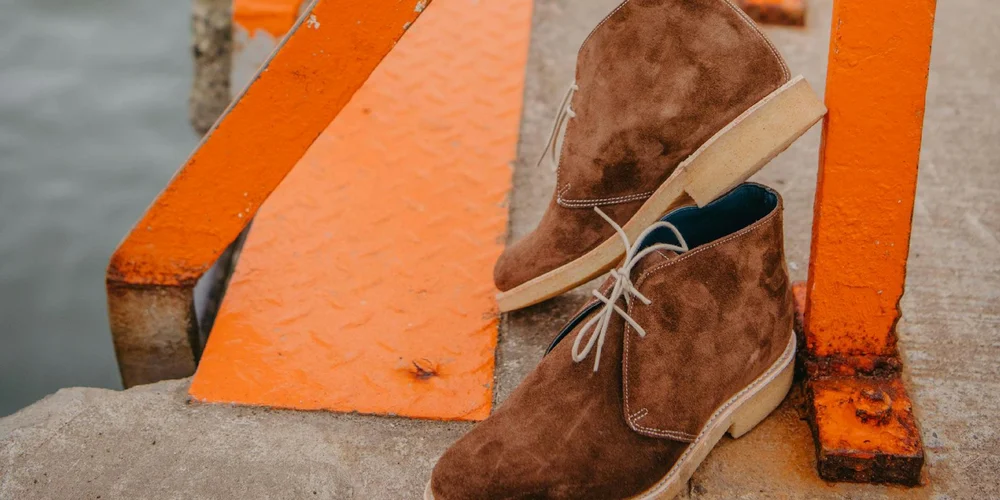
While the universal steps for suede and nubuck are your foundation, some brands use specific materials or treatments that need a gentle touch. Let’s look at a few common ones.
Nike and Adidas Suede & Nubuck
Many sneakers from these brands use a mix of materials. You might have suede overlays on a synthetic mesh or leather base. The core cleaning method doesn’t change, but precision is key.
When someone asks “How do I clean Nike suede shoes?”, I remind them the goal is to treat only the suede panels and avoid saturating the rest of the shoe. A damp cloth is your best friend for cleaning the non-suede parts. For the suede, use a very targeted approach with your suede eraser and brush. Work in small circles only on the stained area to prevent the moisture from seeping into seams and affecting the glue or other materials. This is especially important when learning how to clean suede on sneakers.
A common mistake is using too much water or cleaner on the entire shoe. This can lead to water spots on the non-suede sections or damage the adhesives. Spot clean first, and always let your shoes air dry away from direct heat, which can warp soles and weaken glue bonds.
UGG Boots and Sheepskin
UGG boots are famously made from twin-faced sheepskin. This means the soft suede exterior is backed by a cozy wool interior. This dual-layer construction requires a slightly different mindset.
You must protect both the suede outside and the delicate wool lining inside, which means avoiding any liquid saturation. If you get the boots soaked, the wool can mat down and lose its loft. For general care, use a suede brush regularly to lift the nap and redistribute natural oils. For spills, immediately blot the suede with a dry cloth. Use a specialized, water-based sheepskin cleaner if a deeper clean is needed, applying it sparingly with a damp sponge.
Never machine wash or dry them. The agitation and heat will ruin the sheepskin’s structure. After any cleaning, stuff the boots with paper to help them hold their shape and dry naturally in a well-ventilated, cool space.
Timberland Boots and Waterproof Nubuck
Classic Timberlands, like my workhorse pair, are often made from premium nubuck that comes with a factory-applied waterproofing treatment. This is a huge advantage, but it doesn’t make them maintenance-free.
The waterproofing needs to be replenished to keep that iconic bead-up effect when water hits the leather. Before applying any new protector, clean the boots thoroughly with a nubuck-specific cleaner. Let them dry completely. Then, use a spray-on protector formulated for nubuck. Spray evenly from about 6 inches away in a well-ventilated area. Let the protector dry fully before wearing the boots.
People often think waterproof means indestructible. They’ll trudge through mud and let it cake on. Dried mud and salt are the real enemies here. Always brush off dry dirt first, then use a damp cloth to wipe away residue before it dries and embeds in the nap, which can break down the leather and the waterproof barrier over time. Even when treating your boots with waterproofing products, they still require regular care and attention.
Remember, whether it’s a Nike sneaker, an UGG boot, or a Timberland classic, the fundamental rules still apply: gentle dry cleaning first, targeted damp cleaning only when necessary, and immediate drying. Your brand loyalty shows in your style, and your care shows in how long that style lasts.
How to Maintain Suede and Keep It Looking New
Cleaning is a reaction. Maintenance is your plan. The goal is to stop dirt and moisture from becoming a problem you have to fix later. This shift to prevention is the single best thing you can do for suede.
Think of your suede’s nap like the grass in a lawn. Brushing it regularly keeps it standing up and looking full. Let dirt settle in, and it gets matted down and dull.
Your Three Pillars of Prevention
This simple system will protect your items for years.
- Regular Brushing: Use a suede brush or a clean, dry toothbrush. Always brush in one direction to lift the nap and flick away surface dust. Do this before you wear an item and after you take it off.
- Protector Sprays: A waterproofing spray is not optional for suede. It creates an invisible shield. Test it on a small, hidden area first. Apply it to clean, dry suede in a well-ventilated space, holding the can about 6 inches away. Let it dry completely before use. Reapply every few months or after a deep clean.
- Proper Storage: Never cram suede items together. Store them stuffed with acid-free paper to hold their shape, in a cool, dry place away from direct sunlight. A breathable cotton bag is better than plastic.
Consistency with these three habits prevents most issues before they start.
A Maintenance Rhythm for Every Item
Not all suede needs the same attention. My jacket June gets checked weekly, but my old saddle Mason needs a look before every ride. Match the care to the use.
Daily/Before Each Wear: Shoes & Sneakers
Your shoes meet the world head-on.
- Knock them together to dislodge loose dirt.
- Use your brush to sweep away dust from the uppers and soles.
- Check for fresh spots. Tackle them immediately with a suede eraser.
Weekly: Bags and Hats
These items collect dust from setting things down or being handled.
- Empty the bag and turn it inside out if possible to shake out crumbs and debris.
- Give the entire exterior a thorough, one-direction brush.
- Inspect seams and corners for staining.
Seasonal: Boots and Heavy-Use Items
When you store your winter boots or after a season of hard wear, give them a full review.
Brush the entire boot aggressively. Check the condition of the protector spray by sprinkling a few drops of water on the toe. If it soaks in instead of beading, it’s time for a fresh coat. Condition any smooth leather parts (like the footbed or trim) with a product made for that specific leather type.
Caring for Different Types: Sneakers vs. Boots
People often ask how to maintain different suede items. The core principles are the same, but your focus changes.
A common mistake is using the same stiff brush on delicate sneaker suede and rugged boot suede. For sneakers, use a gentler brass-bristle or nylon brush. For boots, a firm bristle or even an eraser block for stains is fine. Listen to the material. If the nap feels thin or you’re brushing off color, you’re being too harsh.
It’s not about being perfect. It’s about being consistent. A quick 30-second brush today saves a difficult 30-minute cleaning session next month. Your suede will develop a rich, even patina from use, not from damage.
Suede Care Mistakes You Can Easily Avoid
Suede is tougher than its soft touch suggests, but it has a few key weaknesses. Knowing what not to do is half the battle.
Using Excessive Water or Cleaners
Drenching suede is a sure way to create dark, permanent water stains and stiffen the leather. Think of it like a fine wool sweater, not a kitchen countertop.
Spot clean only with a barely damp cloth and a dedicated suede cleaner, working in gentle circles from the outside of the stain inward. Never pour liquid directly onto the material.
Applying Harsh or Oily Chemicals
Standard leather conditioners, saddle soap, or household cleaners will saturate and mat the nap. They can also strip the suede’s natural color.
I once saw a beautiful suede bag ruined by a well-meaning application of a heavy leather oil. The texture never recovered.
Your cleaning arsenal should be limited to products specifically formulated for suede and nubuck, which are designed to clean without soaking the fibers.
Using Direct Heat to Dry
Patience is your best tool here. Placing suede near a radiator, heater, or using a hairdryer bakes the leather, making it brittle and prone to cracking.
If your suede gets wet, stuff the item with paper towels to hold its shape and absorb moisture, then let it air dry at room temperature, away from sunlight.
Storing Items While Dirty
Dirt and oils ground into the nap during wear will settle deeper over time. Storing a dirty suede hat or boot guarantees a much harder cleaning job later.
Make a habit of giving your suede a quick brush with a dry suede brush after each wear to lift surface dust and maintain the nap. This simple step, which I do for my own boots, prevents grime from becoming a permanent resident.
Reviving Flattened or Stained Nap
Made a mistake? Don’t panic. Many issues are fixable. For areas where the nap is matted down from touch or a minor spill, you can often revive it.
For dirt or scuff marks, a suede eraser (often a rubbery or gum-like block) works wonders. Rub it gently back and forth over the mark, then brush the area vigorously with a suede brush to restore the texture. For just flattening, the brush alone, used in different directions, can work miracles.
Caring for suede is about gentle, consistent habits. Avoid these common pitfalls, and your suede from any brand will develop a beautiful, lived-in character that lasts for years. Good suede ages with grace, becoming uniquely yours.
Common Questions
Suede brush or eraser: which do I use first?
Always use the dry brush first for general dust and to lift the nap. The eraser is a targeted tool for scuffs or stains; use it after brushing to tackle specific spots, then brush again to remove the residue.
How often should I really clean my suede items?
Brush with a dry suede brush after every wear to prevent dirt buildup. Perform a deeper clean with erasers or cleaners only when you see actual stains or the nap becomes heavily matted.
What’s the best way to store suede to prevent damage?
Store items in a cool, dry place away from direct sunlight, stuffed with acid-free tissue to hold their shape. Always use a breathable cotton dust bag; never seal suede in plastic, as it traps moisture and can cause mildew.
How do I prevent color transfer from jeans onto light suede?
Apply a quality suede protector spray to create a barrier, allowing stains to bead up on the surface for easy brushing. If transfer occurs, address it immediately with a suede eraser before the dye sets into the fibers.
When should I take my suede to a professional instead of cleaning it myself?
Seek a professional for deep-set oil stains, extensive water damage, or if you’re dealing with a complex, multi-material designer item. For routine dirt, scuffs, and simple stains, your home care kit is perfectly adequate.
Giving Your Suede a Long Life
The best thing you can do for suede is to be gentle and consistent. Clean stains right away with a specialist eraser and brush, and protect new items with a spray before they ever see rain or dirt.
Taking good care of leather is a sustainable choice, extending the life of your gear and honoring the material. Each time you brush off dust or treat a spot, you’re building the simple skills that keep quality items in use for years.
Citations and Authoritative Sources
- Cleaning Suede Is Easier Than You Think. Here’s How to Do It Yourself.
- How to Clean Suede Shoes – Step-by-Step Guide 2025 – Cobbler Union
- How To: Clean Suede Shoes & Sneakers | Jason Markk
- How to clean suede without damaging it
- How to Clean Suede | Whirlpool
Harriet is a avid collector of leather goods such as purses, bags, seat covers, etc and has an extensive background in leather care, recovery, stain removal and restoration. She has worked for a number of years perfecting her leather care techniques and knows the ins and outs of restoring all kinds and types of leather products. With her first hand knowledge in leather care, you can not go wrong listening to her advice.
Suede and Nubuck Care